
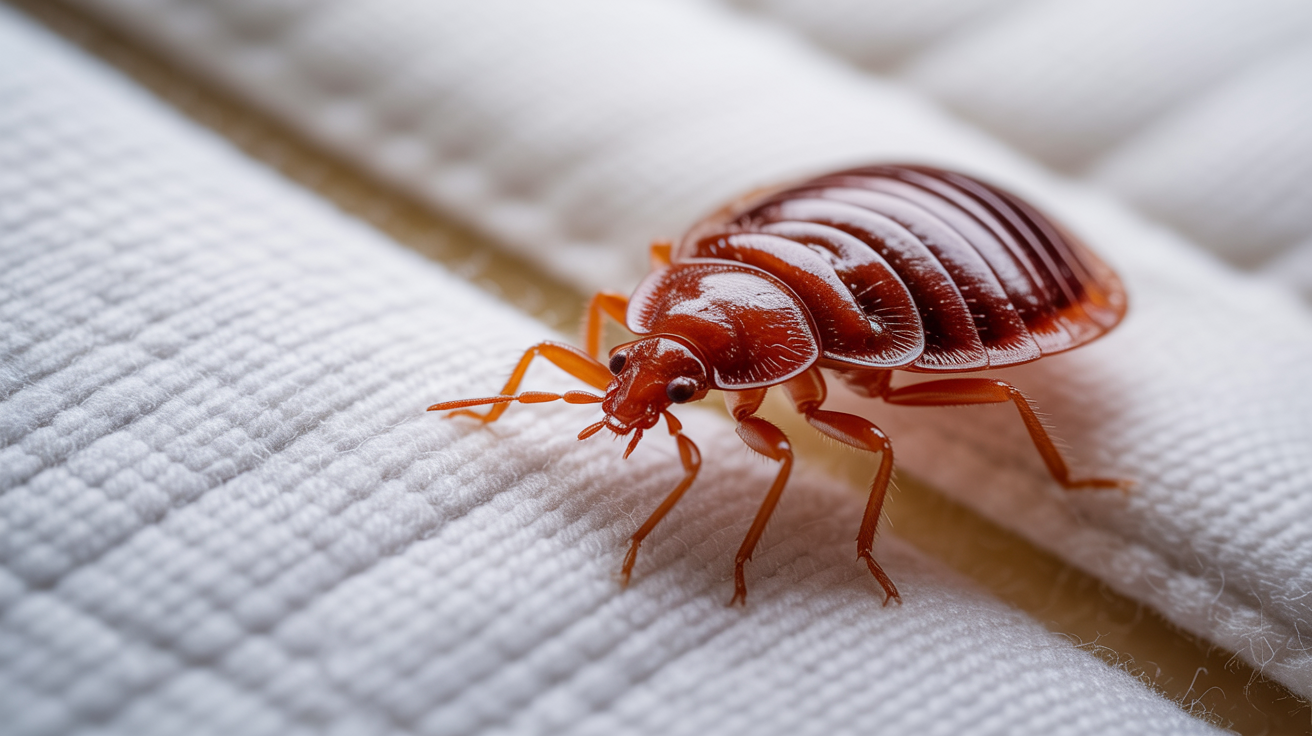
Bed Bug Treatment: Heat vs Chemical - Complete Comparison Guide
When bed bugs invade your home, you're facing one of the most persistent and psychologically draining pest problems possible. These blood-feeding insects can survive for months without feeding, hide in cracks as thin as a credit card, and reproduce rapidly once established. If you're researching treatment options, you've likely encountered two primary professional approaches: heat treatment and chemical treatment. Understanding the science, costs, and real-world effectiveness of each method is crucial for making an informed decision.
Understanding Bed Bug Biology and Treatment Challenges
Before diving into treatment comparisons, it's essential to understand why bed bug treatment is so complex. Bed bugs (Cimex lectularius) have evolved remarkable survival mechanisms that make them exceptionally difficult to eliminate.
Key Biological Factors Affecting Treatment Success
- Temperature tolerance: Bed bugs die at sustained temperatures of 113°F (45°C) for 90+ minutes, or 118°F (48°C) for 20 minutes
- Chemical resistance: Many populations have developed resistance to pyrethroid insecticides
- Hiding behavior: They retreat deep into furniture, wall voids, and electrical outlets during daylight
- Reproduction rate: Females lay 1-5 eggs daily, with eggs hatching in 6-10 days under optimal conditions
- Feeding patterns: Can survive 4-6 months without feeding, making starvation ineffective
Heat Treatment: The Science and Process
Heat treatment involves raising the temperature of infested areas to lethal levels for bed bugs while maintaining those temperatures long enough to penetrate all hiding spots. This method targets the insects' inability to survive sustained high temperatures.
How Professional Heat Treatment Works
Professional heat treatment typically involves:
- Preparation phase: Removing heat-sensitive items (candles, medications, electronics, vinyl records)
- Equipment setup: Industrial heaters and fans create convection currents
- Temperature monitoring: Multiple sensors ensure all areas reach lethal temperatures
- Treatment duration: 6-8 hours to penetrate furniture and wall voids completely
- Cool-down period: Gradual temperature reduction to prevent structural damage
Heat Treatment Advantages
- Single-day completion: Most infestations eliminated in one treatment session
- Penetration ability: Heat reaches areas chemicals cannot access
- No chemical exposure: Safe for families with chemical sensitivities
- Immediate re-occupancy: Rooms can be used immediately after cool-down
- Kills all life stages: Effective against eggs, nymphs, and adults simultaneously
Heat Treatment Limitations
- Higher upfront cost: Typically 2-3 times more expensive than initial chemical treatment
- Preparation requirements: Extensive pre-treatment preparation needed
- Structural considerations: Some materials may be damaged by high heat
- Weather dependency: Extreme outdoor temperatures can affect treatment efficiency
- No residual protection: No ongoing protection against re-infestation
Chemical Treatment: Modern Approaches and Effectiveness
Chemical treatment has evolved significantly beyond the DDT era. Modern professional treatments use multiple insecticide classes to overcome resistance and target different aspects of bed bug biology.
Current Chemical Treatment Strategies
Professional chemical treatments now typically involve:
- Combination products: Multiple active ingredients targeting different biological pathways
- Residual insecticides: Provide ongoing protection for weeks or months
- Growth regulators: Prevent nymphs from reaching reproductive maturity
- Desiccant dusts: Damage the insect's protective waxy coating
- Contact sprays: Provide immediate knockdown of visible insects
Chemical Treatment Advantages
- Lower initial cost: More affordable upfront investment
- Residual protection: Continued effectiveness for 2-3 months post-treatment
- Minimal preparation: Less pre-treatment preparation required
- Targeted application: Can focus on specific problem areas
- Multiple visit approach: Allows for monitoring and re-treatment if needed
Chemical Treatment Challenges
- Multiple treatments required: Usually needs 2-4 visits for complete elimination
- Resistance concerns: Some bed bug populations show resistance to common chemicals
- Limited penetration: Cannot reach deep hiding spots as effectively as heat
- Chemical exposure: May require temporary relocation, especially for sensitive individuals
- Longer timeline: Complete elimination may take 4-8 weeks
Cost Comparison: Real Numbers and Long-term Value
Understanding the true cost of bed bug treatment requires looking beyond initial pricing to consider success rates and potential re-treatment needs.
| Treatment Type | Initial Cost Range | Success Rate (First Treatment) | Average Total Cost |
|---|---|---|---|
| Heat Treatment | $1,200-$2,500 | 85-95% | $1,400-$2,800 |
| Chemical Treatment | $400-$800 | 60-75% | $800-$1,600 |
Note: Costs vary significantly based on infestation size, home layout, and regional pricing. These figures represent typical ranges across Texas, Oklahoma, Louisiana, and Mississippi markets.
Factors Affecting Treatment Costs
- Infestation severity: Heavy infestations require more extensive treatment
- Home size and layout: Larger homes and complex layouts increase costs
- Furniture quantity: More furniture means more potential hiding spots
- Access challenges: Difficult-to-reach areas may require additional equipment
- Follow-up needs: Some situations require monitoring visits or retreatment
Effectiveness in Different Scenarios
The choice between heat and chemical treatment often depends on specific circumstances surrounding the infestation.
When Heat Treatment Is Most Effective
- Heavy infestations: When bed bugs are found in multiple rooms
- Chemical-resistant populations: Previous chemical treatments have failed
- Quick resolution needed: Important events or health concerns require immediate elimination
- Chemical sensitivities: Family members cannot tolerate pesticide exposure
- Complex furniture: Antiques or intricate pieces with many hiding spots
When Chemical Treatment Is Most Appropriate
- Early-stage infestations: Limited to one room or area
- Budget constraints: Lower upfront cost is a primary concern
- Heat-sensitive belongings: Many items that cannot withstand high temperatures
- Ongoing prevention needed: High risk of re-infestation from neighboring units
- Structural limitations: Building cannot safely accommodate heat treatment
Making the Right Choice for Your Situation
The decision between heat and chemical treatment should be based on a thorough assessment of your specific situation. Consider these key questions:
Assessment Questions
- How extensive is the infestation? Multiple rooms typically favor heat treatment
- Have previous treatments failed? This may indicate chemical resistance
- What's your timeline for resolution? Heat offers faster results
- Are there chemical sensitivities in your household? Heat avoids pesticide exposure
- What's your budget for both initial and potential follow-up treatments?
- How much preparation time can you dedicate? Heat requires more extensive preparation
Professional Assessment Importance
A qualified pest control professional should evaluate several factors before recommending a treatment approach:
- Infestation extent through thorough inspection
- Identification of all harborage areas
- Assessment of structural factors affecting treatment
- Evaluation of previous treatment history
- Consideration of household-specific factors
What You Can Do While Deciding
While researching professional treatment options, you can take immediate steps to prevent the infestation from worsening:
Immediate Action Steps
- Isolate infested bedding: Seal in plastic bags until treatment
- Vacuum thoroughly: Focus on mattress seams, bed frames, and nearby furniture
- Use mattress encasements: Trap existing bugs and prevent new infestations
- Reduce clutter: Eliminate hiding spots around sleeping areas
- Monitor with traps: Sticky traps can help track activity levels
What NOT to Do
- Don't use bug bombs: They can spread bed bugs to new areas
- Avoid moving to other rooms: This can spread the infestation
- Don't rely solely on DIY sprays: Over-the-counter products rarely eliminate established infestations
- Avoid throwing away furniture unnecessarily: Professional treatment can often save infested items
Long-term Prevention Strategies
Regardless of which treatment method you choose, preventing future infestations is crucial:
- Regular inspections: Monthly checks of sleeping areas and furniture
- Travel precautions: Inspect hotel rooms and keep luggage in bathrooms
- Second-hand furniture caution: Thoroughly inspect any used furniture before bringing home
- Visitor awareness: Be mindful of guests who may unknowingly transport bed bugs
- Building maintenance: Seal cracks and gaps that provide hiding spots
Both heat and chemical treatments can be highly effective when properly applied by experienced professionals. The key is choosing the method that best fits your specific situation, budget, and timeline. Remember that the cheapest initial option isn't always the most cost-effective in the long run, especially if multiple treatments become necessary.
If you're dealing with a bed bug infestation in Texas, Oklahoma, Louisiana, or Mississippi, don't let the problem worsen while you deliberate. Contact Romex Pest Control at (844) 955-2447 for a professional assessment and customized treatment recommendation based on your specific situation.
Sources
- Environmental Protection Agency. "Bed Bugs: Get Them Out and Keep Them Out." https://www.epa.gov/bedbugs
- Centers for Disease Control and Prevention. "Bed Bugs - Frequently Asked Questions." https://www.cdc.gov/parasites/bedbugs/
- University of Kentucky Entomology. "Bed Bugs." https://entomology.ca.uky.edu/ef636