Pest Encyclopedia

Identification guides and treatment options for 50 common pests in the Southern United States

Insects

The most common household invaders including ants, roaches, termites, mosquitoes, and more.

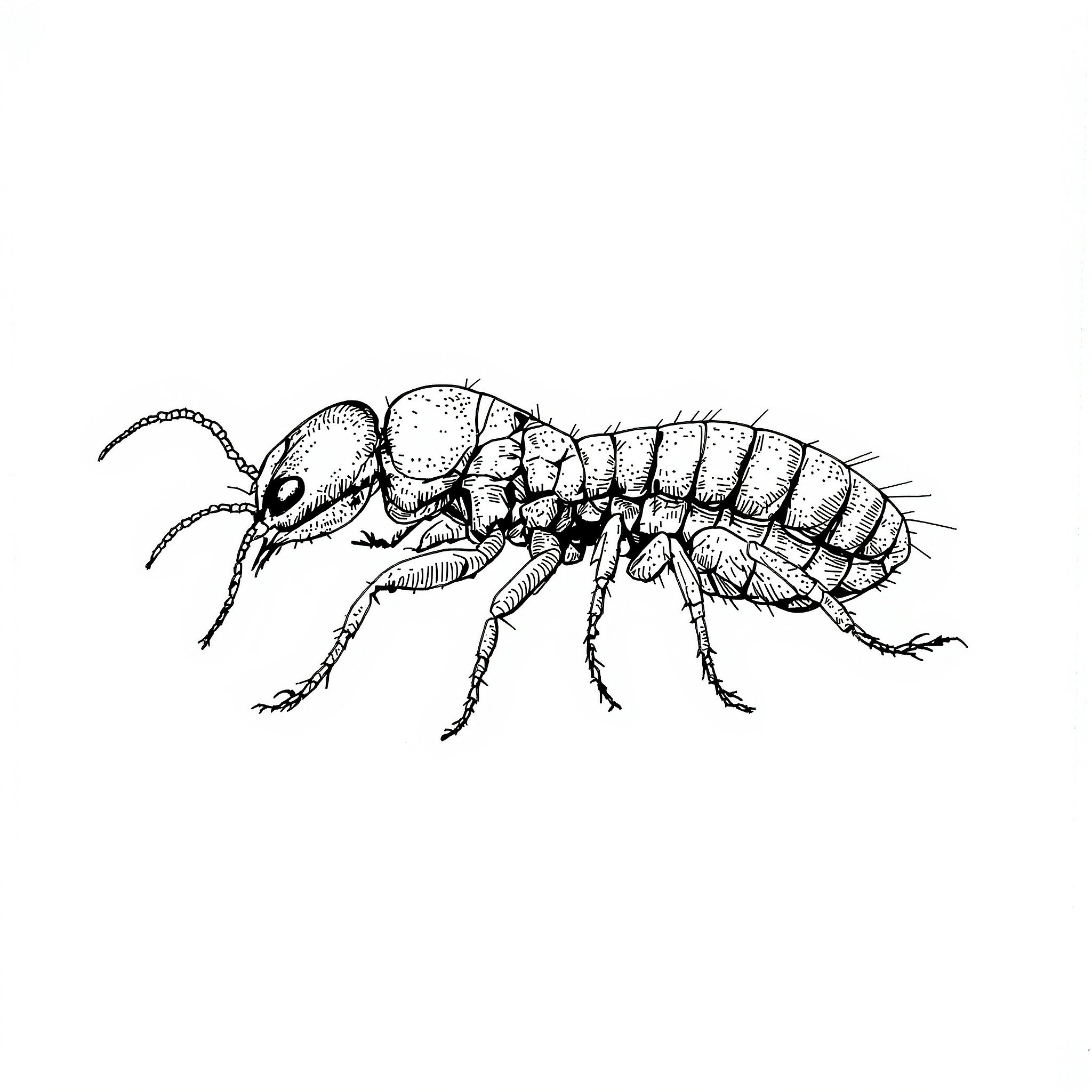
Eastern Subterranean Termite

Eastern Subterranean Termite

Reticulitermes flavipes

Severe ThreatProperty Damage

Size: Workers: 1/8 inch; Soldiers: 1/4 inch; Swarmers: 3/8 inch with wings

Subterranean termites are the most destructive wood-destroying insects in the United States, causing over $5 billion in property damage annually. Unlike drywood termites, they require contact with soil moisture to survive and build distinctive mud tubes to travel between their underground colonies and food sources.

Drywood Termite

Drywood Termite

Cryptotermes species

Severe ThreatProperty Damage

Size: 1/4 to 3/8 inch

Drywood termites live entirely within wood and do not require soil contact like subterranean termites. They infest dry, sound wood including structural timbers, furniture, and hardwood floors. Colonies are smaller but can cause significant localized damage.

Formosan Subterranean Termite

Formosan Subterranean Termite

Coptotermes formosanus

Severe ThreatProperty Damage

Size: 1/2 inch (swarmers); 1/4 inch (soldiers)

Formosan termites are the most destructive termite species in the United States. Native to Asia, they form massive colonies of millions of individuals and can cause severe structural damage in months rather than years. They are sometimes called "super termites."

Red Imported Fire Ant

Red Imported Fire Ant

Solenopsis invicta

High ThreatHealth RiskProperty Damage

Size: 1/8 to 1/4 inch (workers); queens up to 1/3 inch

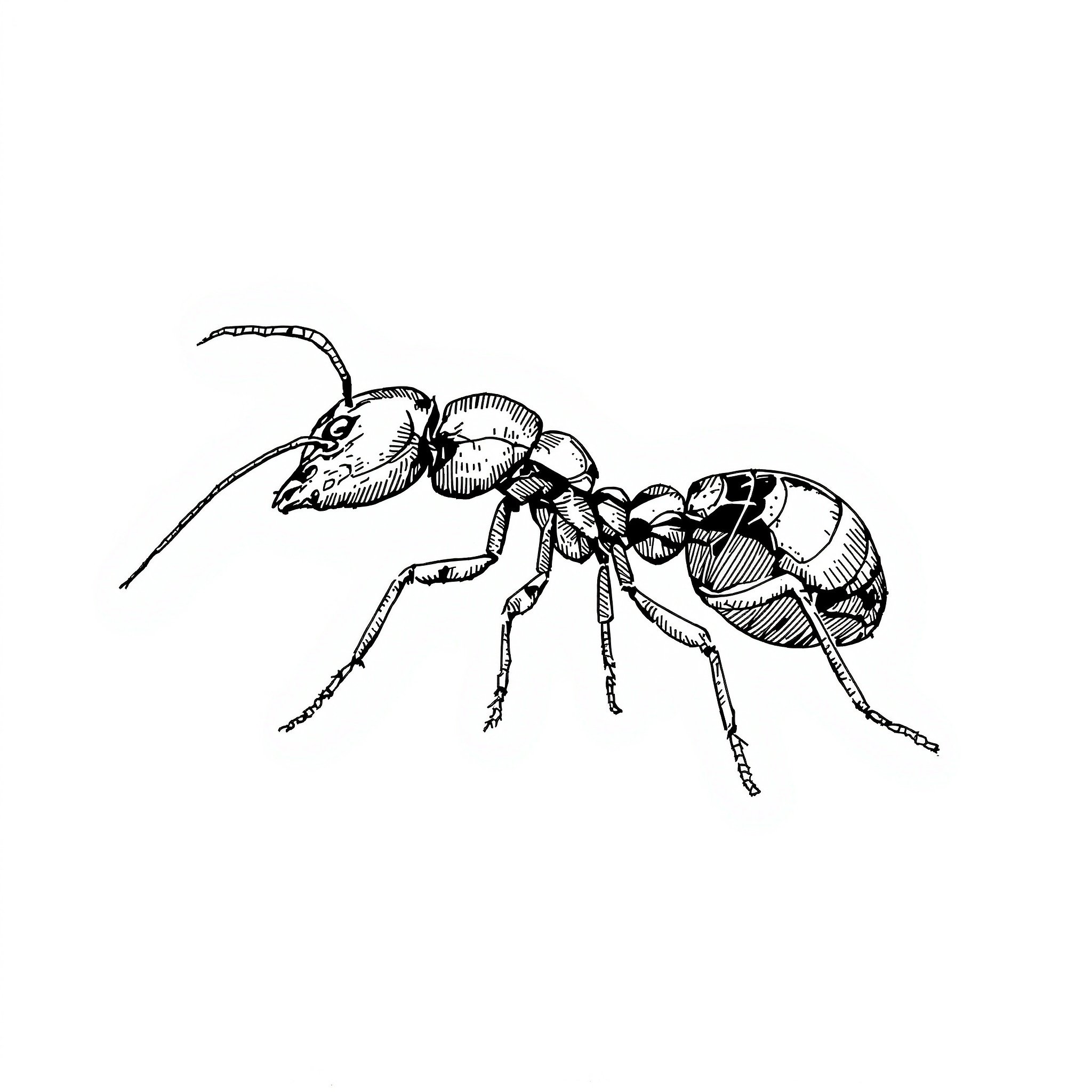
The Red Imported Fire Ant (RIFA) is an invasive species that arrived in the United States through the port of Mobile, Alabama around the 1930s. These aggressive ants are notorious for their painful stings and large mound-building colonies that can contain 100,000 to 500,000 workers.

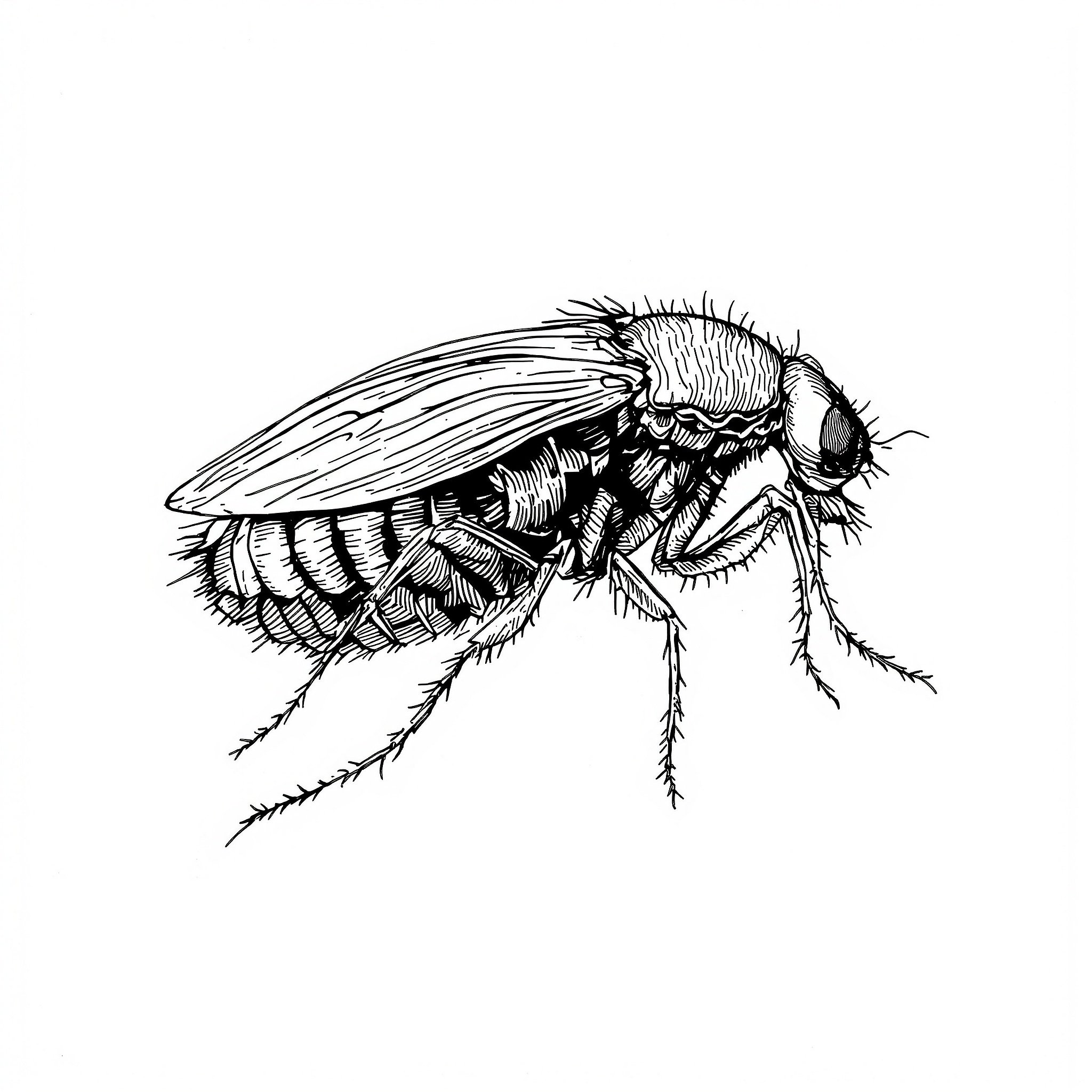
German Cockroach

German Cockroach

Blattella germanica

High ThreatHealth Risk

Size: 1/2 to 5/8 inch (adults)

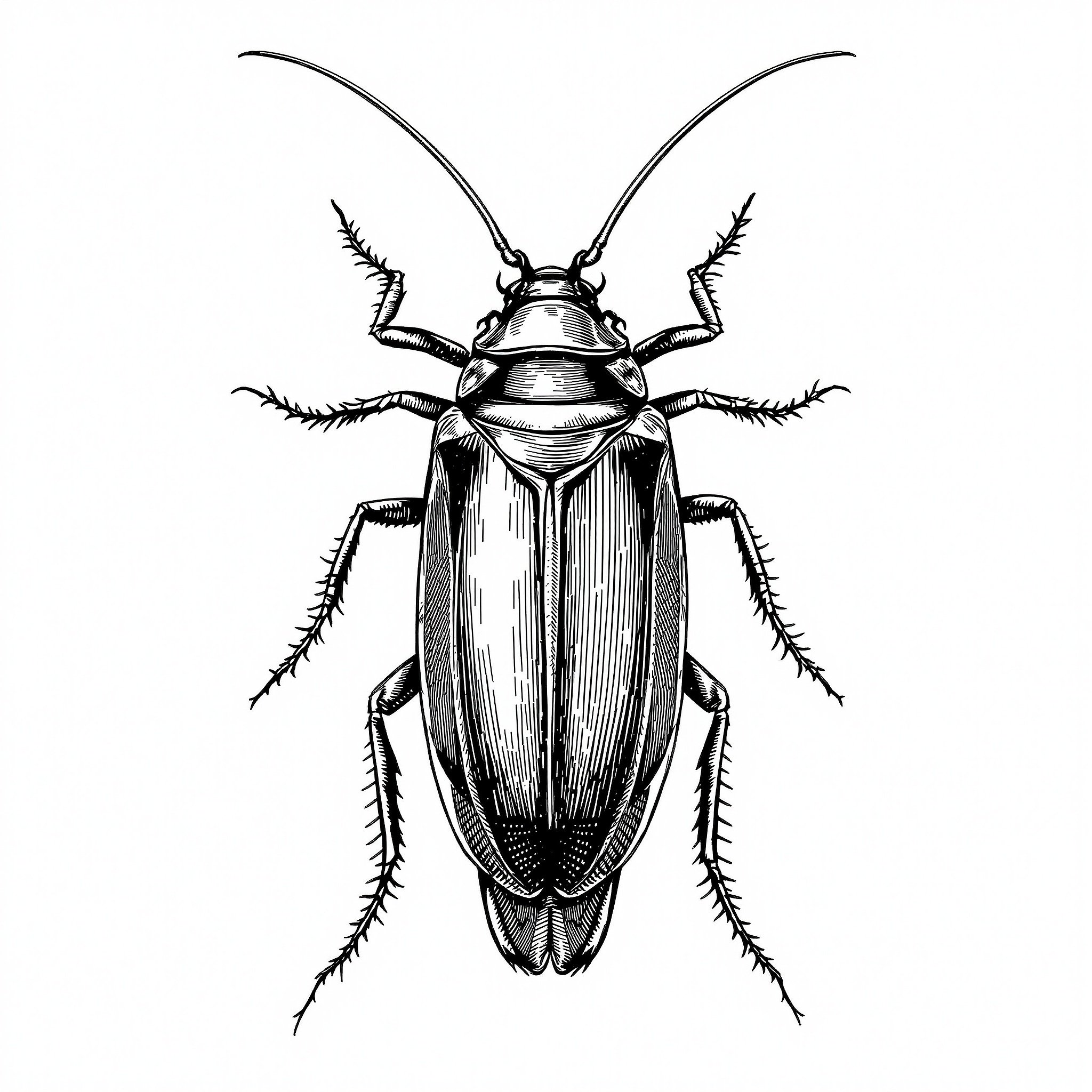
The German cockroach is the most common and economically significant indoor cockroach species worldwide. Despite its name, it likely originated in Southeast Asia. This species is particularly challenging to control due to its rapid reproduction rate and ability to develop resistance to insecticides.

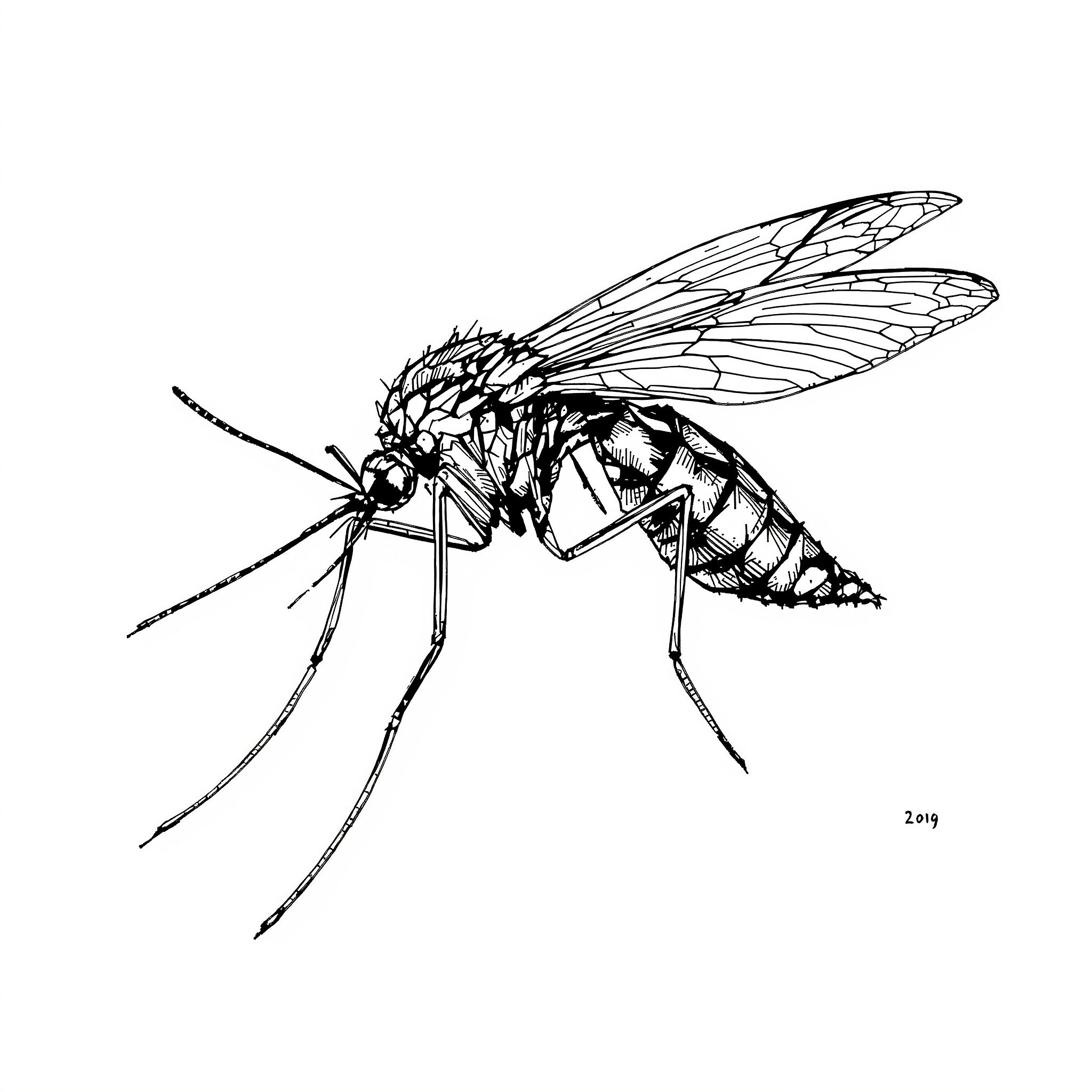
Mosquito

Mosquito

Culicidae family (multiple species)

High ThreatHealth Risk

Size: 1/4 to 3/8 inch

Mosquitoes are small flying insects that are among the deadliest animals on Earth, transmitting diseases that kill over 700,000 people worldwide annually. In the Southern United States, several species are of concern including the Asian tiger mosquito (Aedes albopictus), Southern house mosquito (Culex quinquefasciatus), and Yellow fever mosquito (Aedes aegypti).

Bed Bug

Bed Bug

Cimex lectularius

High ThreatHealth Risk

Size: 1/4 inch (adult); 1/16 inch (nymph)

Bed bugs are parasitic insects that feed exclusively on blood, with humans as their preferred host. Once nearly eradicated in developed countries by the 1950s, bed bugs have resurged dramatically since the late 1990s, becoming one of the most challenging urban pests to control.

Carpenter Ant

Carpenter Ant

Camponotus species

High ThreatProperty Damage

Size: 1/4 to 1/2 inch (workers); queens up to 3/4 inch

Carpenter ants are among the largest ants in the United States and are major structural pests. Unlike termites, they do not eat wood but excavate it to create smooth tunnels and galleries for nesting, pushing out sawdust-like frass.

Pharaoh Ant

Pharaoh Ant

Monomorium pharaonis

High ThreatHealth Risk

Size: 1/16 inch (1.5-2mm)

Pharaoh ants are among the most difficult household pests to control. These tiny ants can spread diseases in hospitals and contaminate food in homes. They form multiple colonies that can "bud" when disturbed, making improper treatment counterproductive.

Tawny Crazy Ant

Tawny Crazy Ant

Nylanderia fulva

High ThreatProperty Damage

Size: 1/8 inch

Tawny crazy ants (formerly called Rasberry crazy ants) are an invasive species from South America that has rapidly spread across the Gulf Coast. They get their name from their erratic, jerky movement patterns. They form enormous supercolonies and are known for damaging electrical equipment.

American Cockroach

American Cockroach

Periplaneta americana

High ThreatHealth Risk

Size: 1.5 to 2 inches

The American cockroach is the largest common cockroach species, often called a "palmetto bug" or "water bug" in the South. Despite its name, it originated in Africa. It can fly short distances and often enters homes through sewer connections.

Oriental Cockroach

Oriental Cockroach

Blatta orientalis

High ThreatHealth Risk

Size: 1 to 1.25 inches

Oriental cockroaches, often called "water bugs" or "black beetles," are among the most concerning cockroach species for health. They prefer extremely damp conditions and are commonly found in drains, sewers, and damp basements, carrying more bacteria than other species.

Cat Flea

Cat Flea

Ctenocephalides felis

High ThreatHealth Risk

Size: 1/16 to 1/8 inch

Cat fleas are the most common flea species affecting dogs, cats, and humans. They are wingless jumping parasites that can jump up to 150 times their body length. Fleas can transmit diseases and parasites including murine typhus and tapeworms.

Yellow Jacket

Yellow Jacket

Vespula species

High ThreatHealth Risk

Size: 3/8 to 5/8 inch

Yellow jackets are aggressive wasps that nest in the ground or in wall voids. They become especially aggressive in late summer when colonies are large and food becomes scarce. They can sting multiple times and are a significant hazard at outdoor events.

Bald-Faced Hornet

Bald-Faced Hornet

Dolichovespula maculata

High ThreatHealth Risk

Size: 1/2 to 3/4 inch

Bald-faced hornets are large, aggressive wasps that build distinctive paper nests in trees and shrubs. Despite their name, they are technically yellowjackets, not true hornets. They are very defensive of their nests and can sting repeatedly.

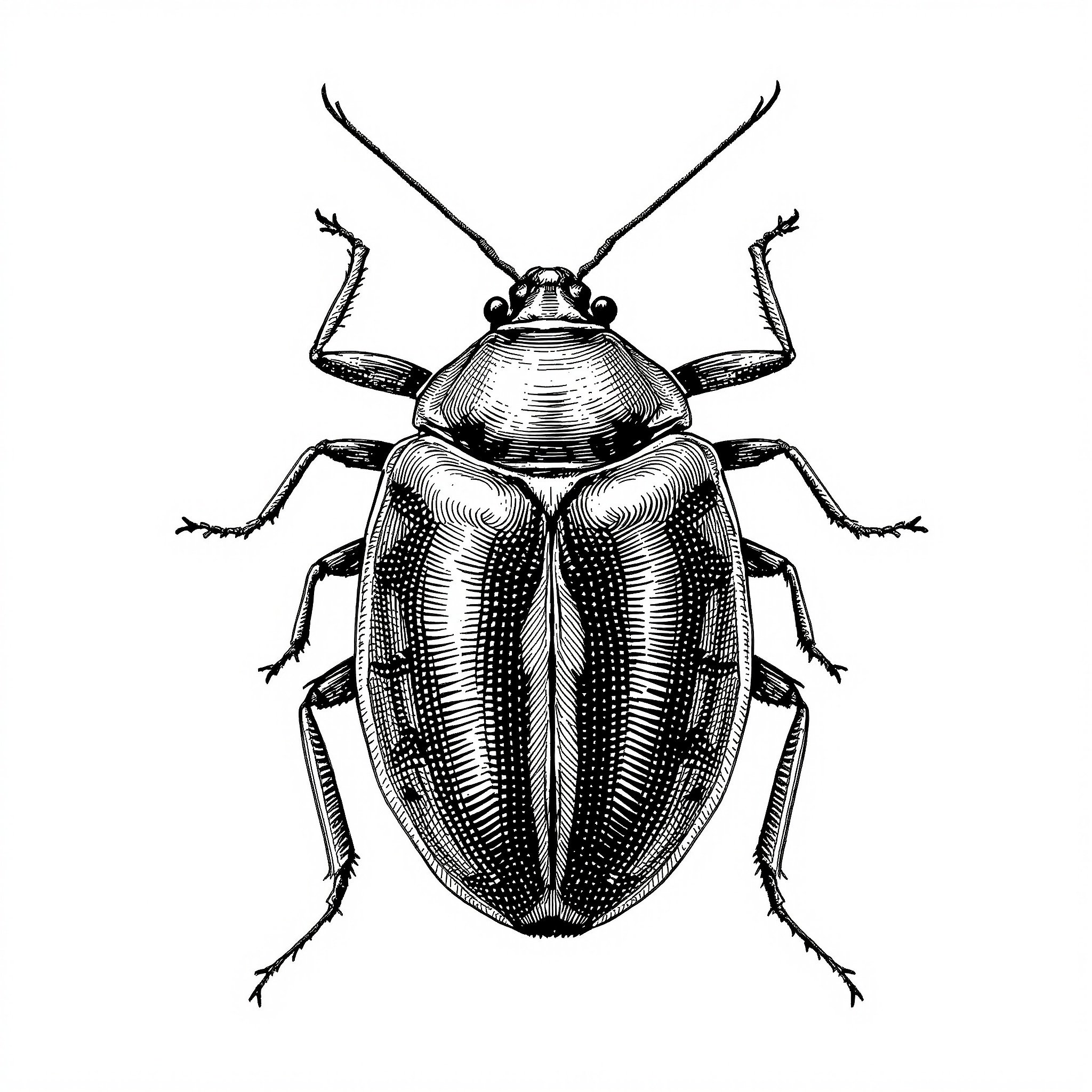
Kissing Bug

Kissing Bug

Triatoma species

High ThreatHealth Risk

Size: 1/2 to 1 inch

Kissing bugs are blood-feeding insects that can transmit Chagas disease, a potentially serious parasitic infection. They typically bite people on the face while sleeping (hence "kissing bug"). They are nocturnal and hide during the day.

Asian Tiger Mosquito

Asian Tiger Mosquito

Aedes albopictus

High ThreatHealth Risk

Size: 1/4 inch

Asian tiger mosquitoes are aggressive day-biting mosquitoes with distinctive black and white striped bodies. They are invasive disease vectors that can transmit Zika, dengue, chikungunya, and other viruses. They breed in small water containers around homes.

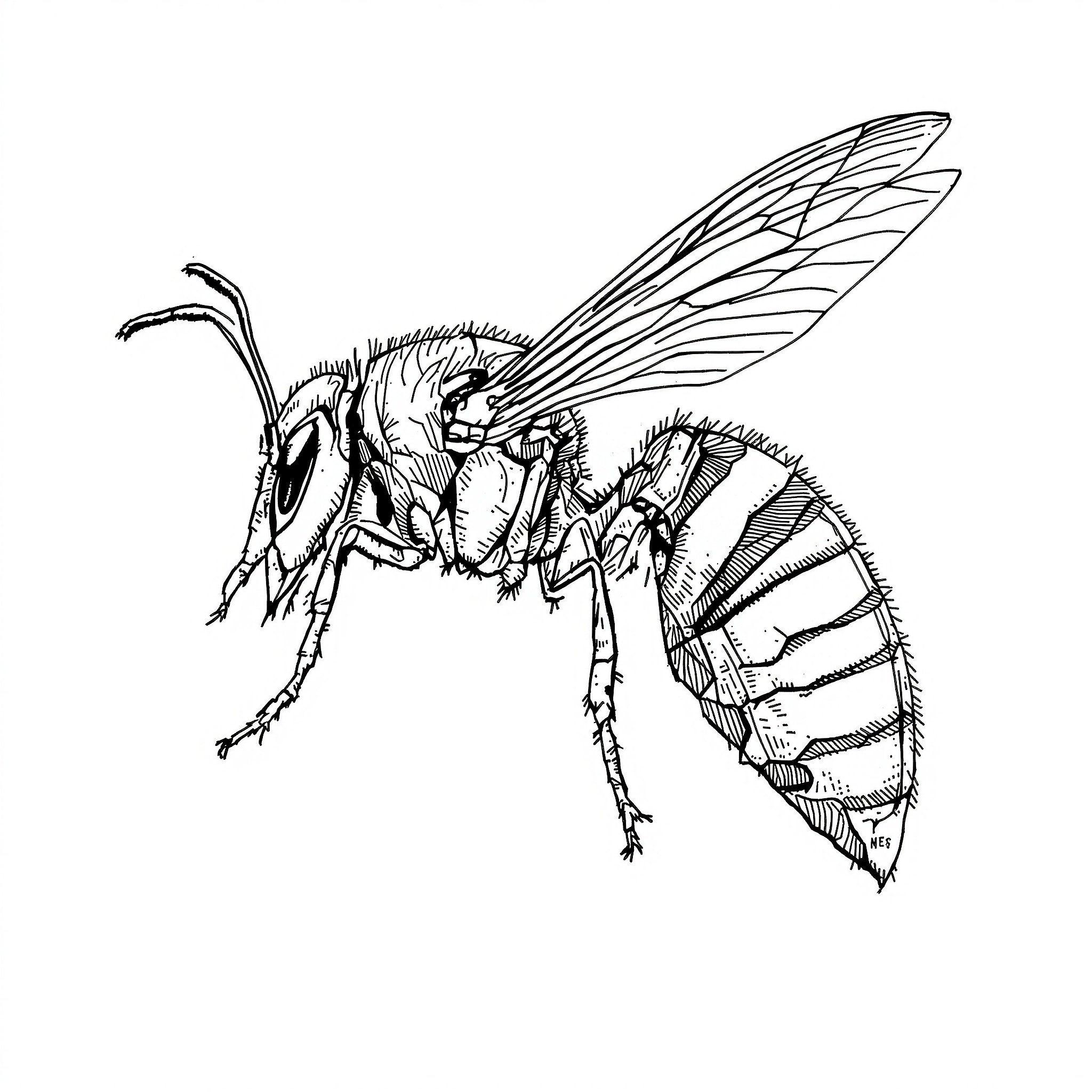
Paper Wasp

Paper Wasp

Polistes species

Moderate ThreatHealth Risk

Size: 3/4 to 1 inch

Paper wasps are social insects that build distinctive open-faced, umbrella-shaped nests from chewed wood fiber mixed with saliva. While generally less aggressive than yellowjackets, they will defend their nests if threatened. Several species are common in the South, including the red paper wasp (Polistes carolina) and the common paper wasp (Polistes exclamans).

Argentine Ant

Argentine Ant

Linepithema humile

Moderate Threat

Size: 1/16 to 1/4 inch

Argentine ants are an invasive species that forms massive "supercolonies" containing millions of ants and multiple queens. They aggressively displace native ant species and are a significant nuisance pest, often invading homes in huge numbers.

Smokybrown Cockroach

Smokybrown Cockroach

Periplaneta fuliginosa

Moderate ThreatHealth Risk

Size: 1 to 1.5 inches

Smokybrown cockroaches are common outdoor pests in the South that frequently enter homes. Unlike American cockroaches, they lack the yellowish markings on their head. They are strong fliers attracted to lights at night.

House Fly

House Fly

Musca domestica

Moderate ThreatHealth Risk

Size: 1/4 inch

House flies are the most common flies associated with humans and are significant vectors of disease. They cannot bite but spread pathogens by landing on food after visiting garbage, feces, and decaying matter.

Carpenter Bee

Carpenter Bee

Xylocopa species

Moderate ThreatProperty Damage

Size: 3/4 to 1 inch

Carpenter bees resemble bumblebees but have a shiny, hairless abdomen. They bore perfectly round holes in unpainted wood to create nesting galleries. While males are aggressive, they cannot sting. Females rarely sting unless handled.

Webbing Clothes Moth

Webbing Clothes Moth

Tineola bisselliella

Moderate ThreatProperty Damage

Size: 1/4 inch (wingspan)

Clothes moths are small, golden-tan moths whose larvae damage wool, silk, fur, and other animal-based fabrics. Unlike pantry moths, they avoid light and are often found in dark closets and storage areas. The larvae, not adults, cause damage.

Odorous House Ant

Odorous House Ant

Tapinoma sessile

Low Threat

Size: 1/16 to 1/8 inch

Odorous house ants get their name from the rotten coconut-like smell they emit when crushed. They are one of the most common household ants in the United States and are a persistent nuisance pest that readily nests both indoors and outdoors.

Drain Fly

Drain Fly

Psychodidae family

Low Threat

Size: 1/8 inch

Drain flies, also called moth flies or sewer gnats, are small fuzzy flies that breed in the organic matter that accumulates in drains. While they do not bite or transmit disease, they indicate plumbing or sanitation issues.

Fruit Fly

Fruit Fly

Drosophila melanogaster

Low Threat

Size: 1/8 inch

Fruit flies are tiny flies attracted to ripening and fermenting fruits and vegetables. They are a common nuisance in kitchens, particularly in late summer and fall. Their rapid reproduction can lead to large infestations quickly.

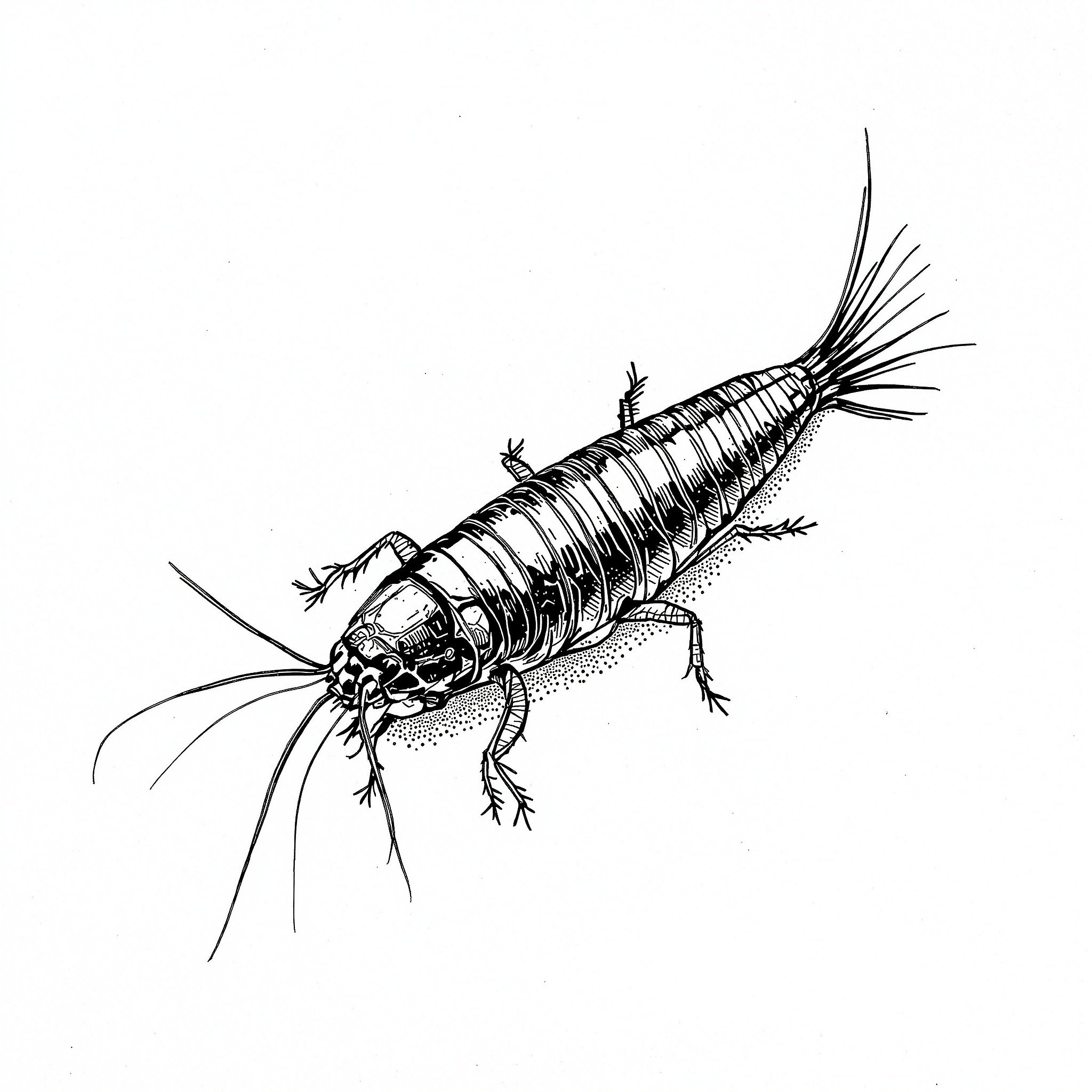
Silverfish

Silverfish

Lepisma saccharinum

Low ThreatProperty Damage

Size: 1/2 to 3/4 inch

Silverfish are primitive, wingless insects covered in silvery scales. They are nocturnal and avoid light. While they do not pose health risks, they can damage books, wallpaper, and stored items by feeding on starch and cellulose.

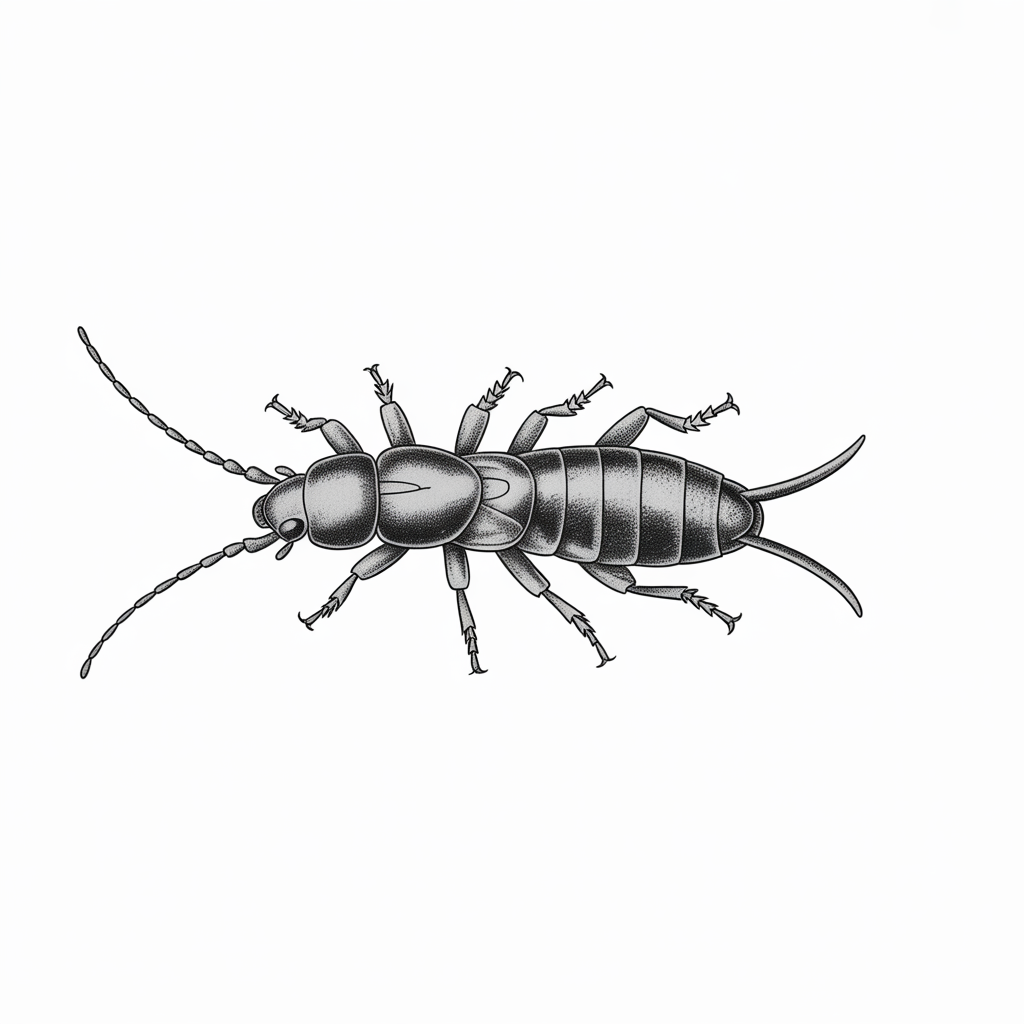
European Earwig

European Earwig

Forficula auricularia

Low Threat

Size: 1/2 to 3/4 inch

Earwigs are easily recognized by the pincer-like appendages (cerci) at the rear of their abdomen. Despite folklore, they do not crawl into human ears. They are primarily outdoor pests that occasionally enter homes seeking shelter.

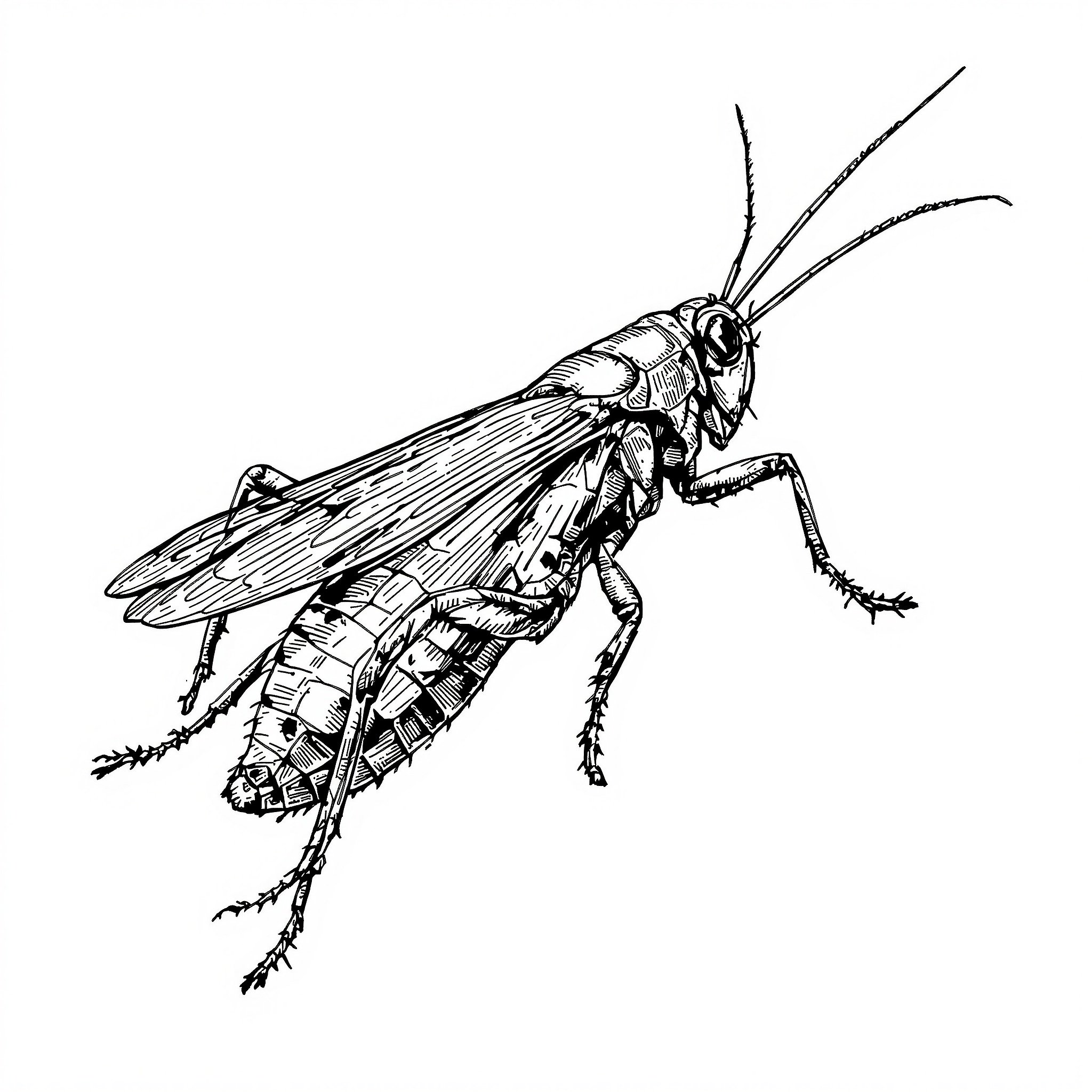
House Cricket

House Cricket

Acheta domesticus

Low ThreatProperty Damage

Size: 3/4 to 1 inch

House crickets are common insects known for the males chirping song. While they do not pose health risks, large infestations can damage fabrics, paper, and stored foods. They often enter homes in fall seeking warmth.

Camel Cricket

Camel Cricket

Ceuthophilus species

Low Threat

Size: 1/2 to 1.5 inches

Camel crickets, also called cave crickets or spider crickets, are wingless insects with a distinctive humped appearance. They do not chirp like house crickets. They prefer dark, damp environments and often startle homeowners when they jump.

Boxelder Bug

Boxelder Bug

Boisea trivittata

Low Threat

Size: 1/2 inch

Boxelder bugs are black insects with distinctive red-orange markings. They congregate in large numbers on sunny walls in fall, seeking warmth before winter. While harmless, they can be a significant nuisance when they enter homes.

Brown Marmorated Stink Bug

Brown Marmorated Stink Bug

Halyomorpha halys

Low Threat

Size: 1/2 to 3/4 inch

The brown marmorated stink bug is an invasive Asian species that has become a major nuisance pest. They congregate on buildings in fall and release a pungent odor when disturbed or crushed. They are also a significant agricultural pest.

Annual Cicada

Annual Cicada

Tibicen species

Low Threat

Size: 1 to 2 inches

Cicadas are large, noisy insects known for their loud mating calls that can reach over 100 decibels. They spend most of their lives underground as nymphs, emerging as adults for a few weeks to mate. They do not bite or sting.

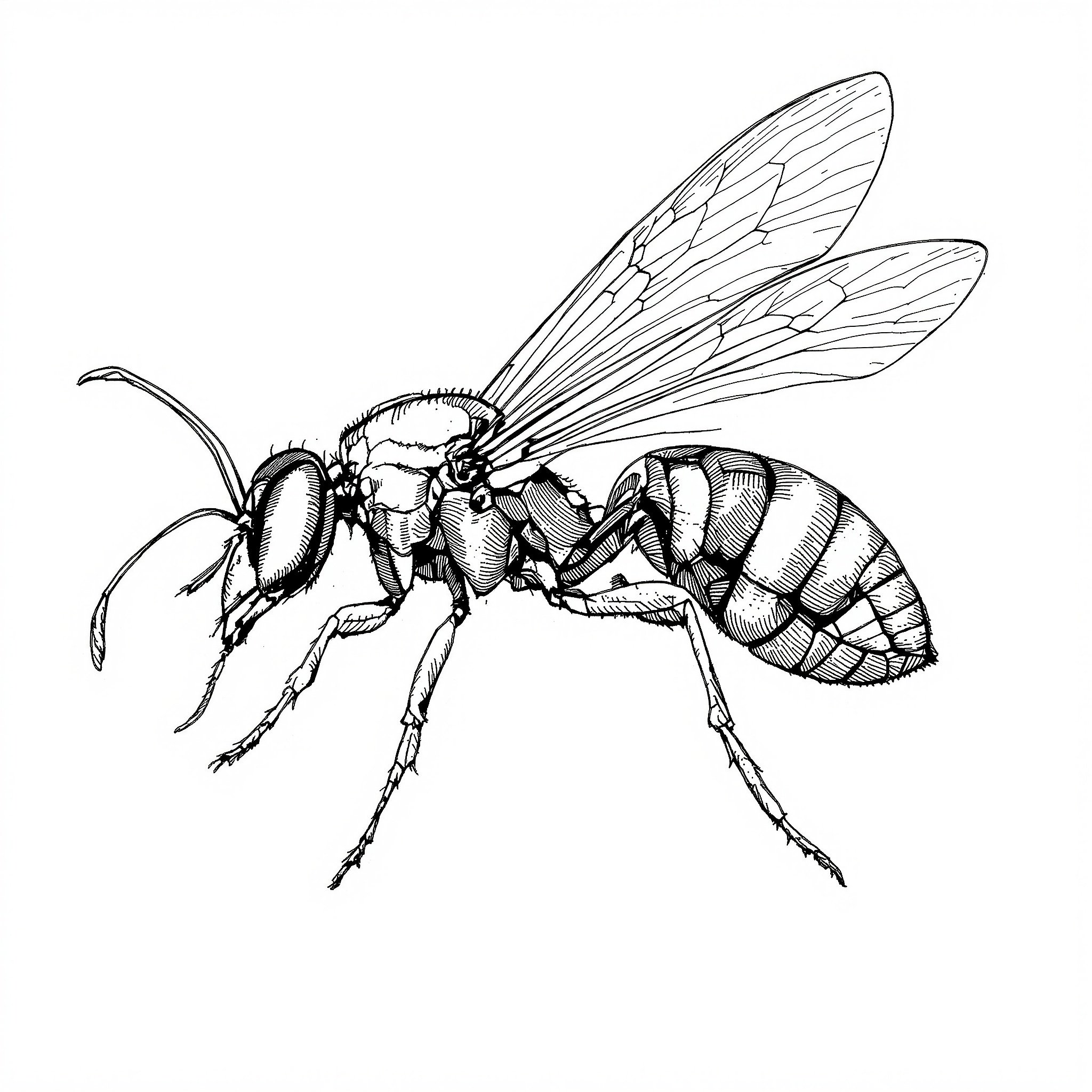
Mud Dauber

Mud Dauber

Sceliphron caementarium

Low Threat

Size: 1 inch

Mud daubers are solitary wasps that build distinctive mud nests. They are not aggressive and rarely sting. They are beneficial predators that hunt spiders, including black widows. Their nests, while unsightly, pose minimal danger.

Indian Meal Moth

Indian Meal Moth

Plodia interpunctella

Low Threat

Size: 1/2 to 5/8 inch (wingspan)

Indian meal moths are the most common stored product pest in homes. They infest grains, cereals, nuts, dried fruit, pet food, and other dry goods. The distinctive two-toned wings help identify them.

Asian Lady Beetle

Asian Lady Beetle

Harmonia axyridis

Low Threat

Size: 1/4 inch

Asian lady beetles were introduced to control aphids but have become a nuisance when they invade homes in fall. They resemble native ladybugs but can be distinguished by the M-shaped marking on their head. They can bite and release a foul-smelling defensive fluid.

Arachnids

Spiders, scorpions, ticks, and chiggers – some pose serious health risks in the Southern states.

Brown Recluse Spider

Brown Recluse Spider

Loxosceles reclusa

High ThreatHealth Risk

Size: 1/4 to 1/2 inch body; 1 inch with legs extended

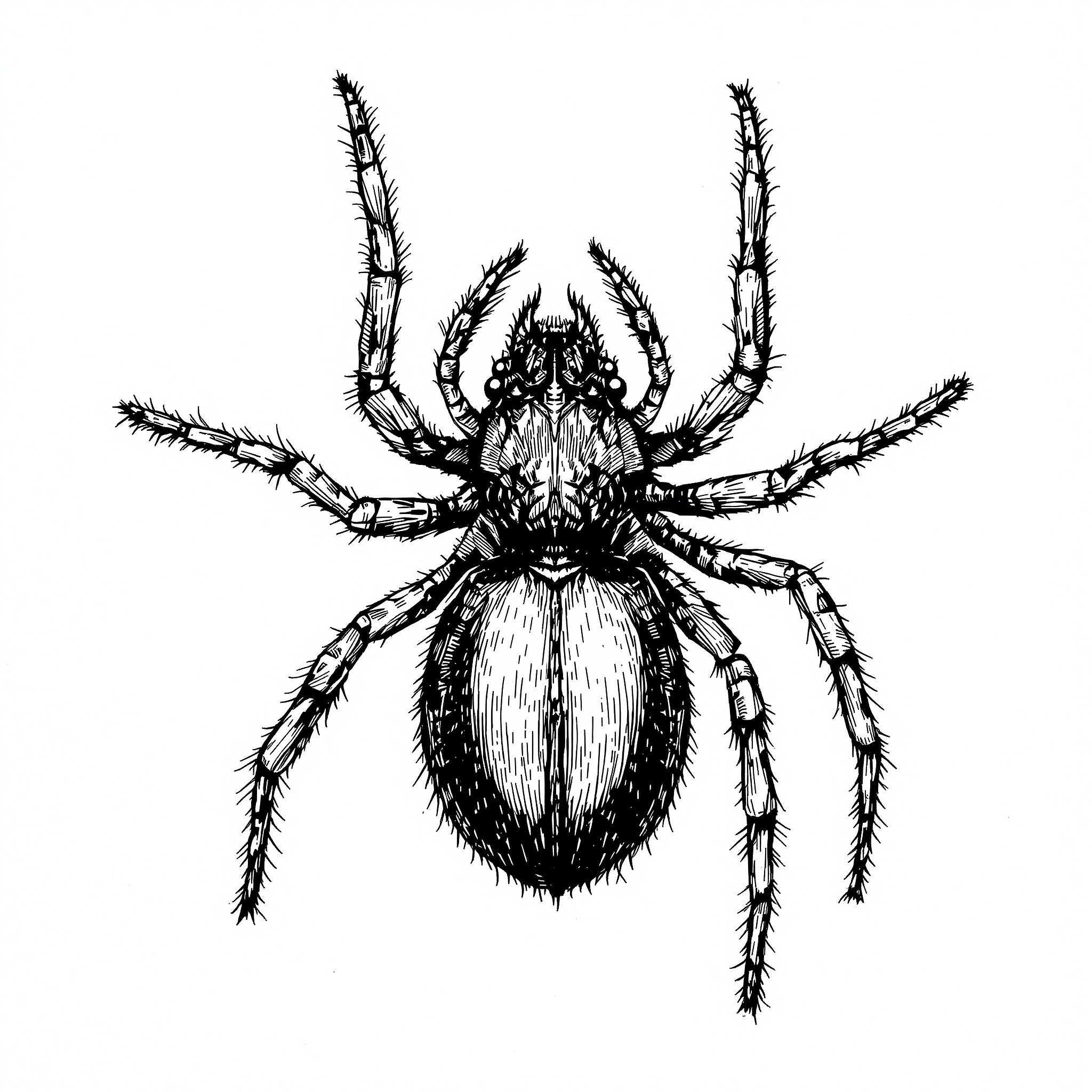
The brown recluse is one of the few medically significant spiders in North America. Its bite can cause necrotic wounds that require medical attention. Despite its reputation, the brown recluse is not aggressive and bites only when pressed against skin.

American Dog Tick

American Dog Tick

Dermacentor variabilis

High ThreatHealth Risk

Size: Unfed: 1/8 inch; Engorged female: up to 1/2 inch

The American dog tick is the most commonly encountered tick in the eastern United States and a primary vector of Rocky Mountain spotted fever in the South. Also known as the wood tick, it is a three-host tick that feeds on different animals at each life stage.

Black Widow Spider

Black Widow Spider

Latrodectus mactans

High ThreatHealth Risk

Size: 1.5 inches (including legs)

Black widow spiders are venomous spiders with medically significant bites. Females are recognizable by their shiny black body and red hourglass marking. They are not aggressive but will bite if disturbed or trapped. Their venom affects the nervous system.

Lone Star Tick

Lone Star Tick

Amblyomma americanum

High ThreatHealth Risk

Size: 1/8 to 1/4 inch (unfed adult)

Lone star ticks are aggressive biters common in the South. Females have a distinctive white spot on their back. They can transmit ehrlichiosis, tularemia, STARI, and are associated with alpha-gal syndrome (red meat allergy). All life stages bite humans.

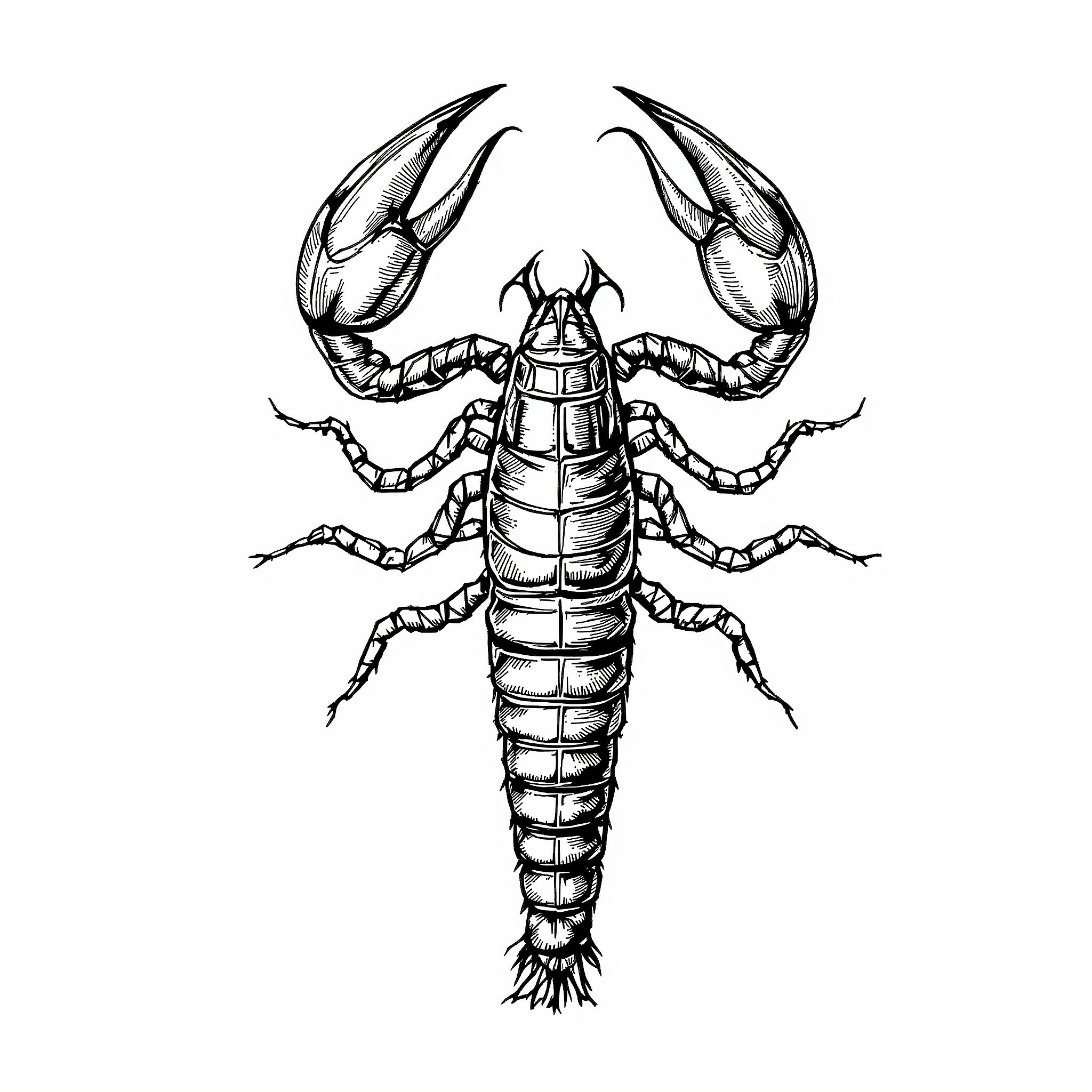
Striped Bark Scorpion

Striped Bark Scorpion

Centruroides vittatus

Moderate ThreatHealth Risk

Size: 2 to 3 inches

The striped bark scorpion is the most common and widely distributed scorpion in Texas and Oklahoma, and the only species found across the entire state of Texas. While their stings are painful, they are not considered life-threatening to healthy adults, though medical attention may be needed for children, elderly, or those with allergies.

Chigger

Chigger

Trombiculidae family

Moderate ThreatHealth Risk

Size: 1/150 inch (larvae)

Chiggers are the larval stage of harvest mites. These microscopic red mites cause intensely itchy bites that can last for weeks. They do not burrow into skin but inject enzymes that break down skin cells for feeding.

Wolf Spider

Wolf Spider

Hogna species

Low Threat

Size: 1/2 to 2 inches

Wolf spiders are large, hairy hunting spiders that chase down prey rather than building webs. They look intimidating but are not dangerous to humans. Females carry egg sacs and spiderlings on their bodies.

Common House Spider

Common House Spider

Parasteatoda tepidariorum

Low Threat

Size: 1/4 to 3/8 inch

Common house spiders are the cobweb spiders found in corners, closets, and basements throughout homes. They are harmless and help control flies and other household insects. Their messy webs are often considered unsightly.

Jumping Spider

Jumping Spider

Salticidae family

Low Threat

Size: 1/8 to 3/4 inch

Jumping spiders are compact, active spiders known for their excellent vision and jumping ability. They have large front-facing eyes and are curious, often appearing to watch observers. They are harmless and help control insect pests.

Rodents

Mice and rats spread disease, contaminate food, and cause structural damage to homes.

House Mouse

House Mouse

Mus musculus

High ThreatHealth RiskProperty Damage

Size: Body: 2.5-3.5 inches; Tail: 2.5-4 inches

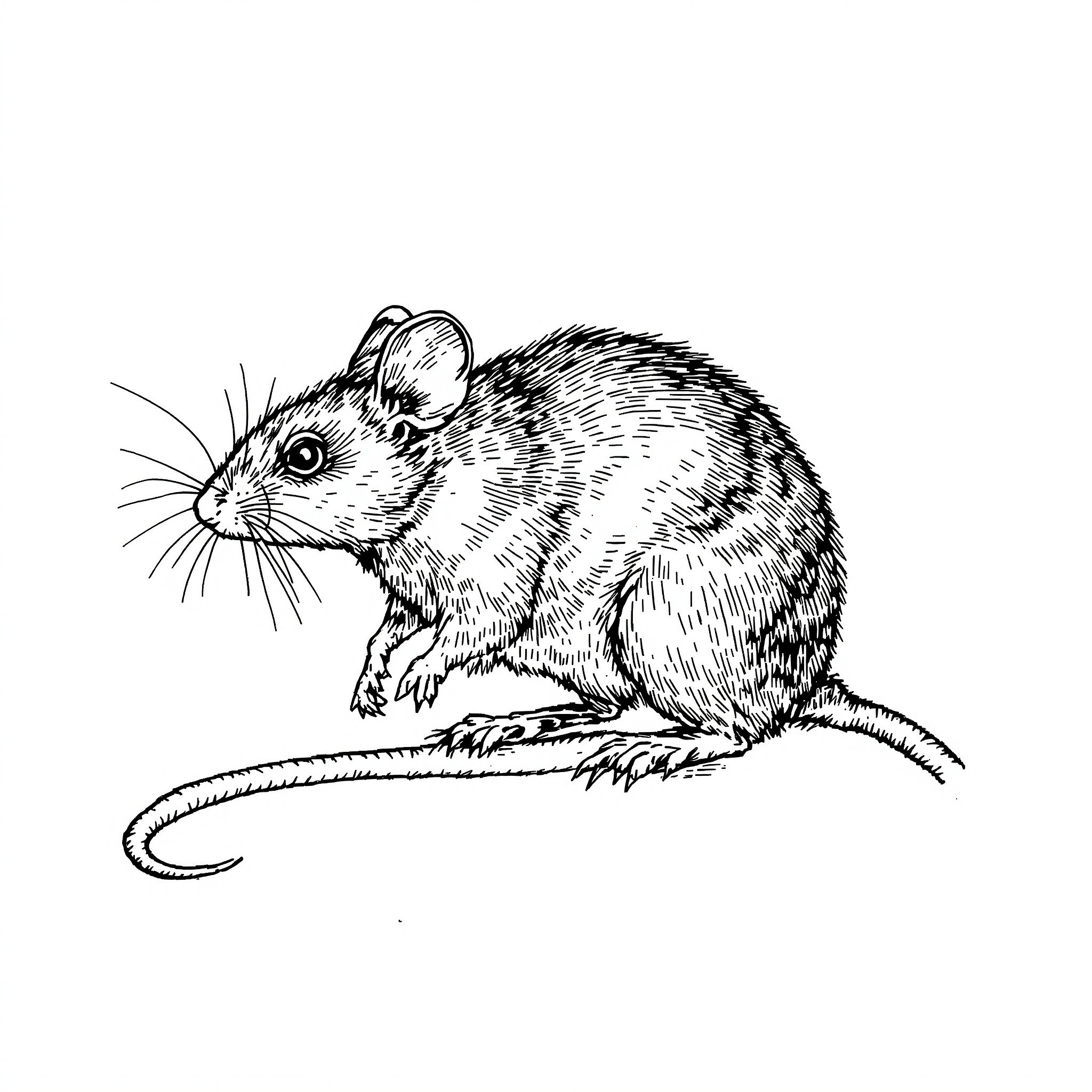
The house mouse is one of the most successful mammals on Earth, having spread to every continent through its association with humans. A single pair of mice can produce 200 offspring in 4 months under ideal conditions. Their adaptability, rapid reproduction, and ability to squeeze through tiny gaps make them persistent home invaders.

Norway Rat

Norway Rat

Rattus norvegicus

High ThreatHealth RiskProperty Damage

Size: 7-10 inches (body); 6-8 inches (tail)

Norway rats, also called brown rats or sewer rats, are large rodents that live in close association with humans. They are destructive pests that contaminate food, damage structures, and transmit diseases. They are neophobic (cautious of new things), making control challenging.

Other Pests

Centipedes, millipedes, pill bugs, and other occasional invaders commonly found in Southern homes.

Pill Bug (Roly Poly)

Pill Bug (Roly Poly)

Armadillidium vulgare

Low Threat

Size: 1/4 to 5/8 inch

Pill bugs, also called roly polies, are not insects but terrestrial crustaceans related to lobsters and crabs. They roll into a ball when disturbed. While they are primarily outdoor pests, they enter homes seeking moisture and indicate damp conditions.

House Centipede

House Centipede

Scutigera coleoptrata

Low Threat

Size: 1 to 1.5 inches

House centipedes are distinctive predators with long legs and rapid movement. While alarming in appearance, they are beneficial because they eat other household pests including spiders, cockroaches, and silverfish. They can bite if handled but rarely do.

North American Millipede

North American Millipede

Narceus americanus

Low Threat

Size: 1 to 4 inches

Millipedes are slow-moving detritivores with many legs (not actually 1,000). They occasionally invade homes in large numbers after heavy rains or during droughts. While harmless, mass migrations can be alarming.

Not Sure What Pest You Have?

Our expert technicians can identify any pest and provide targeted treatment solutions.