

Professional Ant Control
Fire ants, carpenter ants, and odorous house ants eliminated by TDA-licensed certified technicians with our satisfaction guarantee
What type of property needs service?
Note: We do not service trailer homes or vehicles.
National Strength. Locally Managed & Operated.
Romex is now part of the Rollins, Inc. family—a Fortune 500 leader behind Orkin, HomeTeam, and other trusted names in pest control. Same local technicians, now backed by national-scale training, research, and resources.
What Does Professional Ant Control Include?
Our ant control process gets rid of fire ants, carpenter ants, pharaoh ants, and odorous house ants. Our TDA-licensed certified technicians find the ant species and locate colonies. Then they apply targeted treatments. We serve the DFW Metroplex, Austin Metro, San Antonio, Tyler, Oklahoma City, Tulsa, and the Gulf Coast.
Our satisfaction guarantee includes free retreatment if ants return between scheduled visits. Since 2016, our proven pest control process has earned 28,000+ five-star reviews.
What's Included
Thorough inspection to identify ant species and locate colonies
Targeted baits and treatments to eliminate the entire colony
Sealing of entry points to prevent re-infestation
Ongoing protection with frequency based on your situation
Follow-up visits to ensure complete control
How Do You Identify Ant in Your Home?
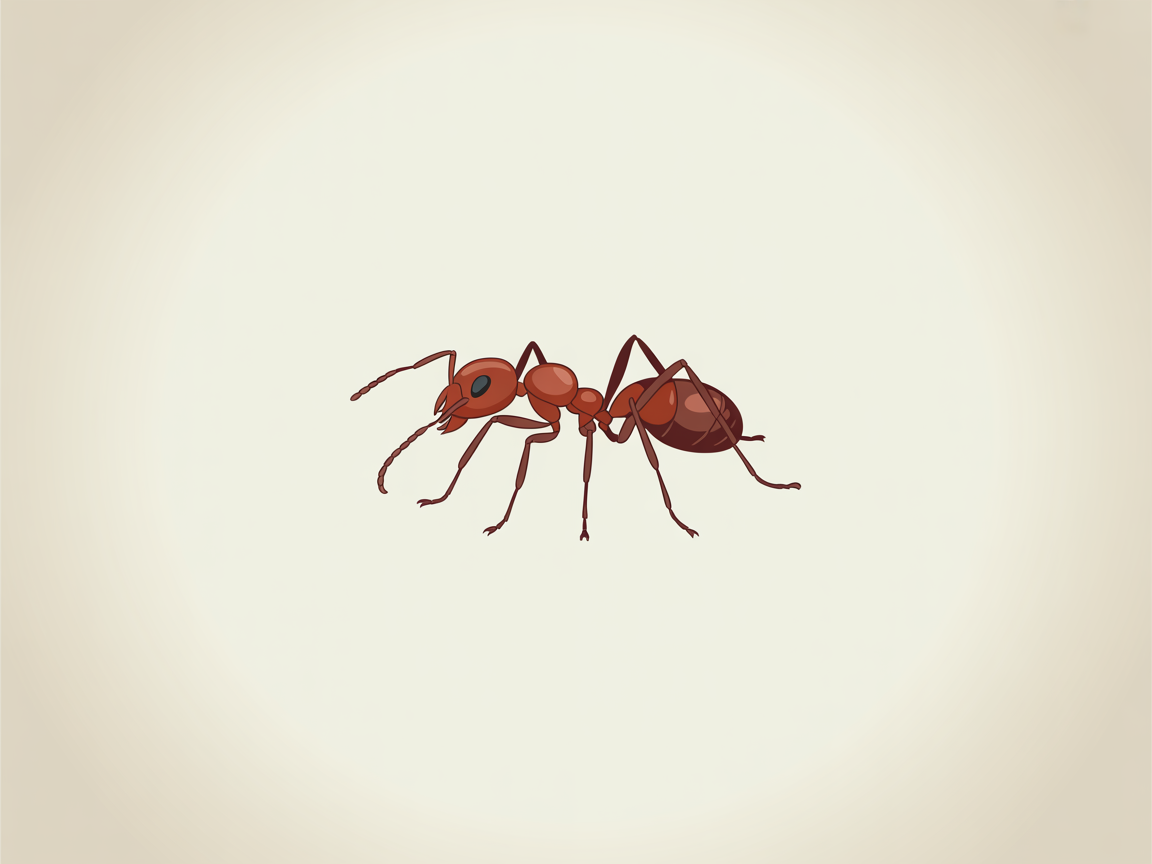
Red Imported Fire Ants
Solenopsis invicta
Identification: Reddish-brown, 1/8 to 1/4 inch, aggressive when disturbed
Habitat: Soil mounds in lawns, gardens, near foundations
Concern: Painful stings that can cause allergic reactions; cause $1B+ damage annually in Texas
Source: Texas A&M AgriLife Extension
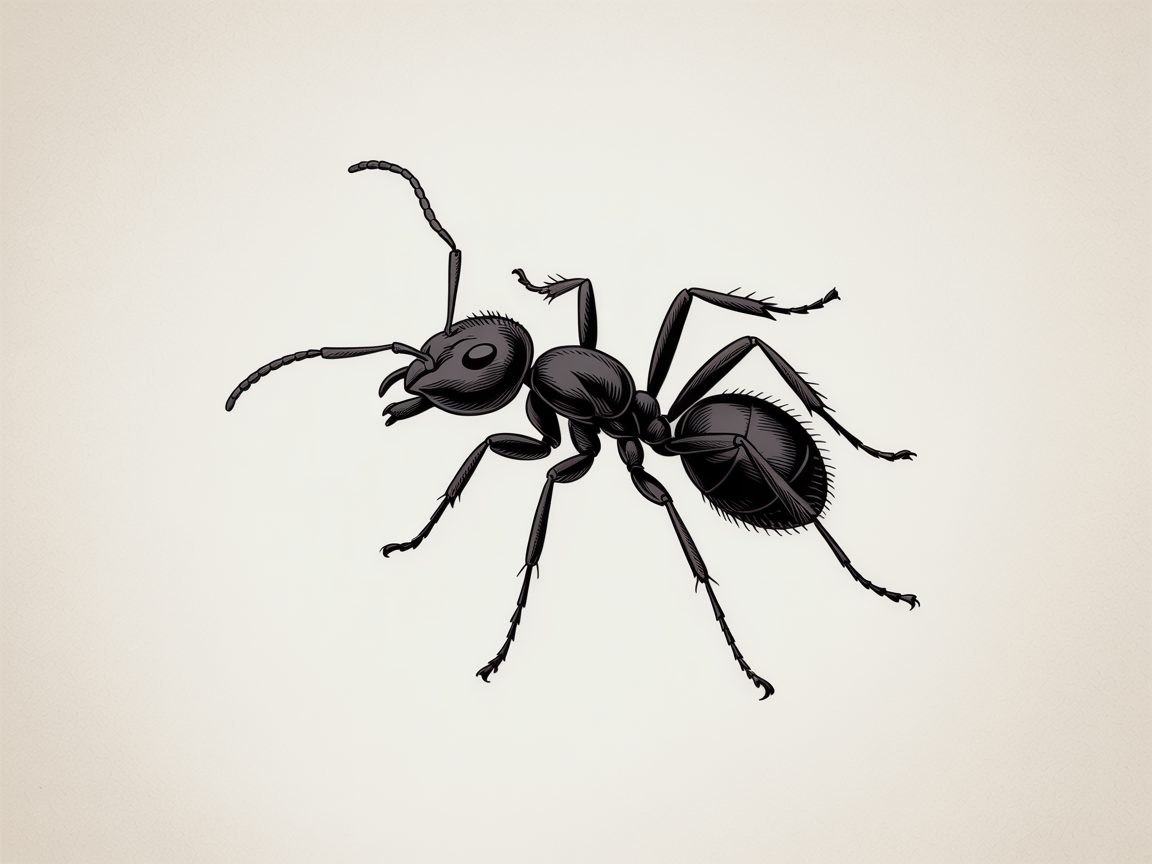
Carpenter Ants
Camponotus spp.
Identification: Large (1/4 to 1/2 inch), black or dark brown, single node waist
Habitat: Moist or decaying wood, tree stumps, wall voids
Concern: Excavate wood for nesting, causing structural damage similar to termites
Source: Oklahoma State University Extension
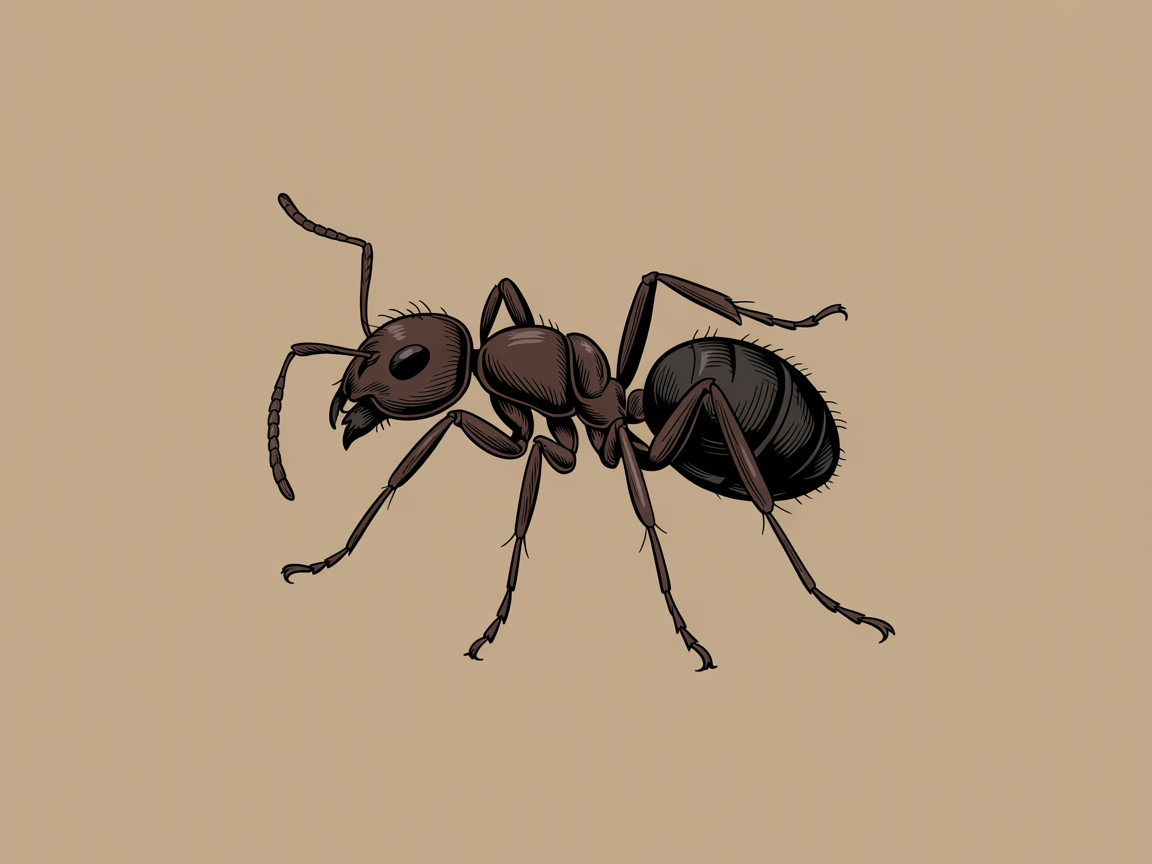
Odorous House Ants
Tapinoma sessile
Identification: Small (1/16 to 1/8 inch), dark brown to black, emit rotten coconut smell when crushed
Habitat: Inside walls, near moisture sources, under floors
Concern: Form large colonies with multiple queens; difficult to eliminate without professional treatment
Source: LSU AgCenter
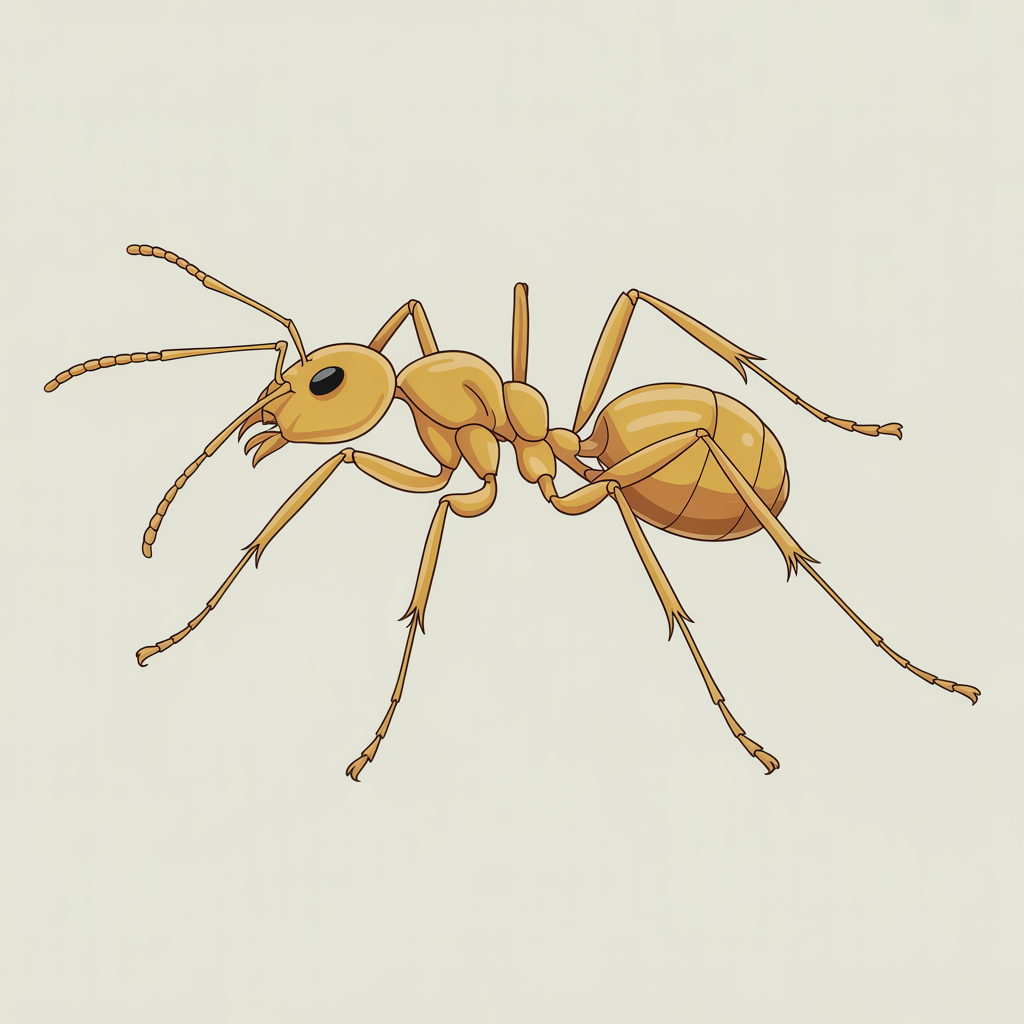
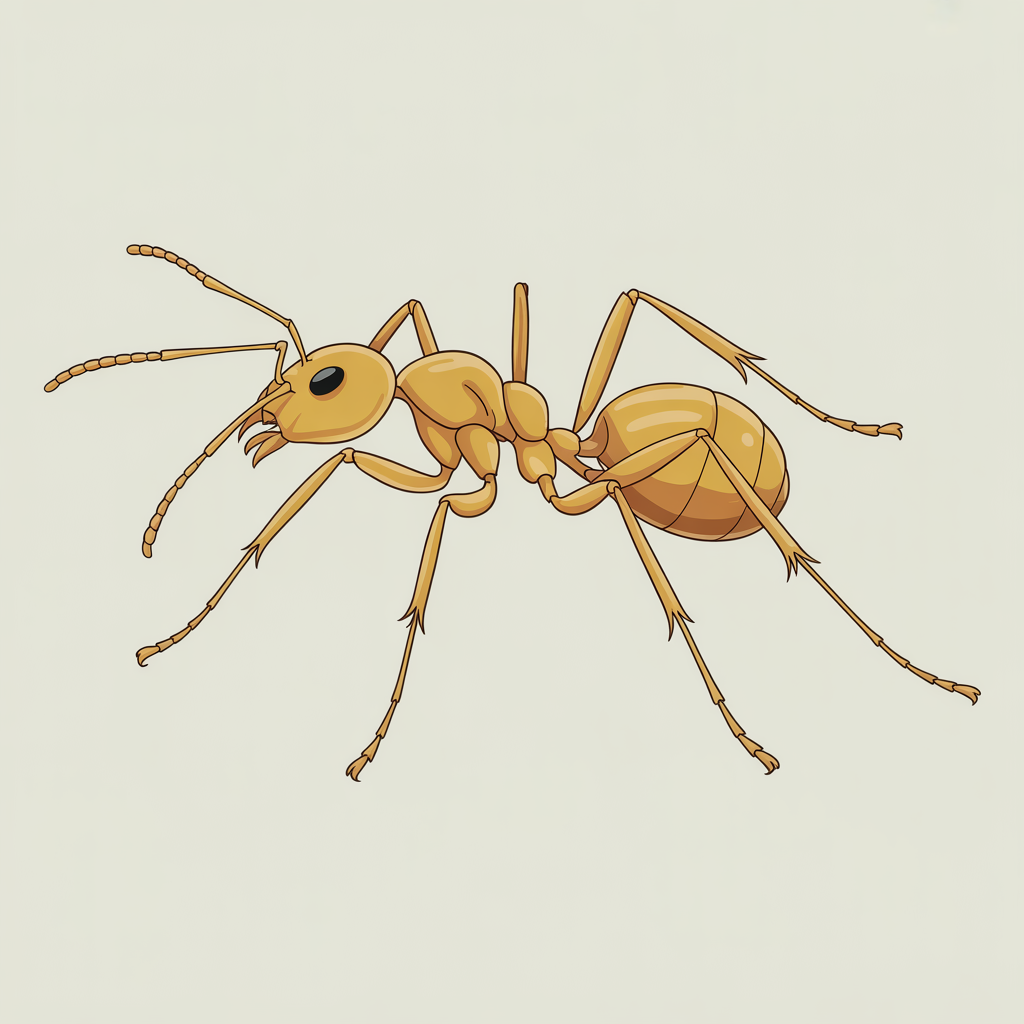
Pharaoh Ants
Monomorium pharaonis
Identification: Very small (1/16 inch), yellowish to light brown, almost translucent
Habitat: Warm areas near food and water; wall voids, electrical outlets
Concern: Can transmit disease organisms; extremely difficult to control—colonies split when threatened
Source: Texas A&M AgriLife Extension
One ant means thousands more are on the way
That single ant you spotted? It's a scout reporting back to a colony of thousands—and they've already marked your home as a food source.
Trails of ants marching across your countertops
Finding ants in your food and pet bowls
Watching them return no matter how many you kill
Fire ant mounds making your yard unusable
Carpenter ants silently damaging your home's structure
Sound Familiar? You've Probably Already Tried...
Colony Elimination Protocol
We don't just kill the ants you see—we eliminate the entire colony, including the queen. Without the queen, there's no colony. Without the colony, there are no ants.
A kitchen that's yours alone
When you walk into your kitchen, you see clean counters—not ant trails. When your kids play outside, you watch them have fun—not watch for fire ant mounds.
How Can You Prevent Ants?
Keep kitchen counters and floors clean and free of crumbs
Store food in airtight containers
Seal cracks and crevices in your home's foundation and walls
Trim vegetation away from the house
Fix leaky pipes and eliminate standing water
Take out trash regularly and use sealed bins
Why Do Homeowners Trust Romex?
Licensed & Insured
Fully certified professionals
Same-Day Service
Fast response when you need it
Satisfaction Guarantee
Free re-treatment if pests return
Eco-Friendly Options
Ask about all-natural options
What Happens If You Ignore a Ant Problem?
Ants aren't just a nuisance—they pose real risks to your health, finances, and peace of mind.
Health Risks
- •Fire ant stings cause painful welts and allergic reactions
- •Pharaoh ants spread pathogens in food areas
- •Food contamination from ant trails
Economic Costs
- •Carpenter ant repairs: $3,000-$10,000+
- •Food spoilage from contamination
- •Business health code violations
Emotional Toll
- •Frustration from persistent infestations
- •Anxiety about children and fire ants
- •Embarrassment when hosting guests
Property Damage
- •Carpenter ants cause structural damage
- •Fire ant mounds damage lawns
- •Electrical wiring damage and shorts
What Do Homeowners Ask About Ant Control?
Get Professional Ant Control Today
Pest Identification Guide
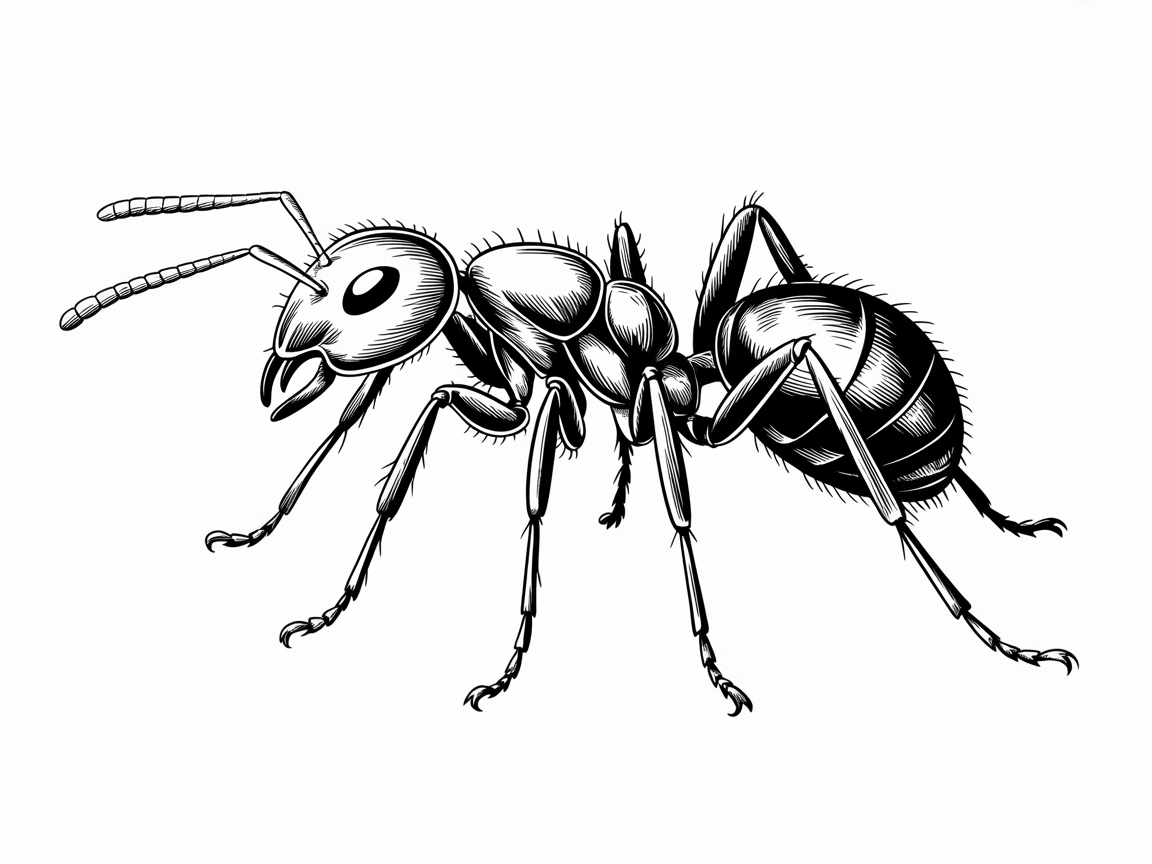
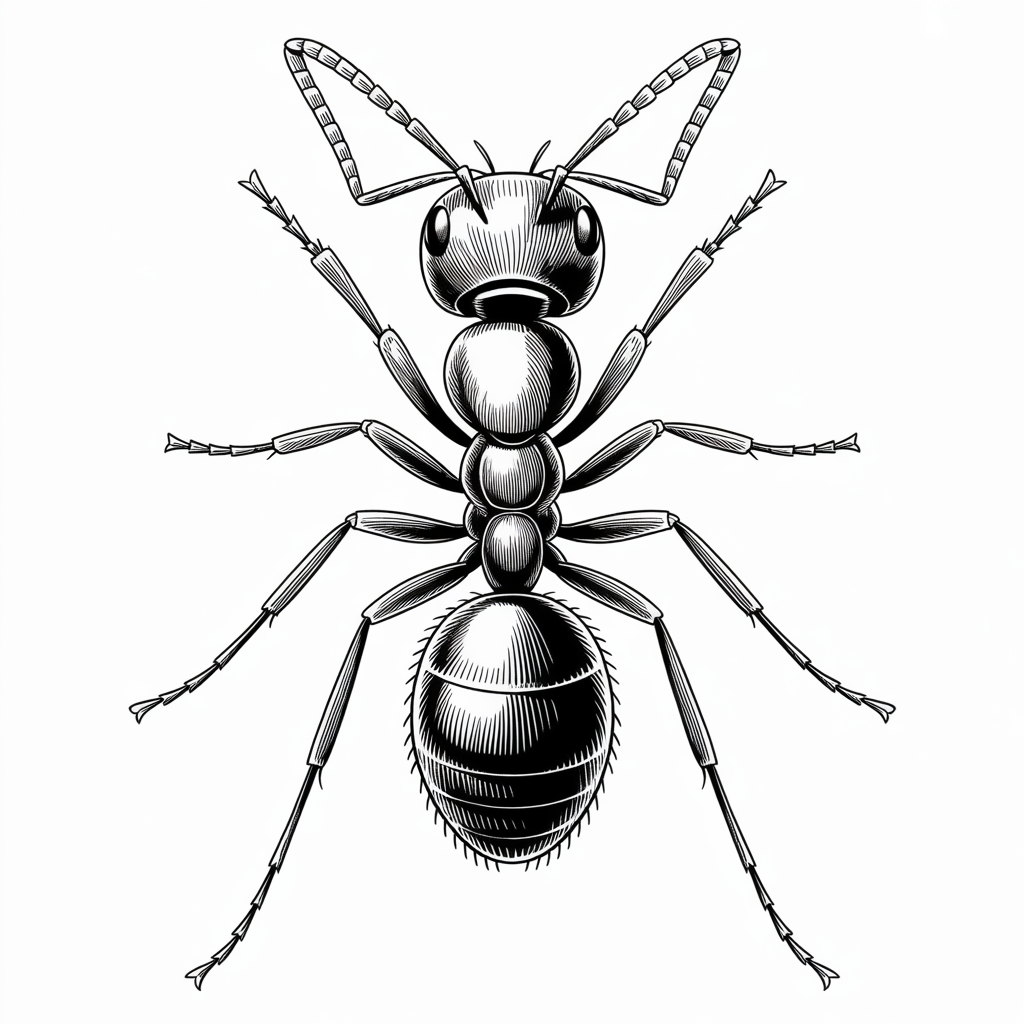
Learn to identify the specific species covered by this service. Click any pest for detailed biology, behavior, and prevention tips.
Where Is Ant Control Available Near You?
We provide professional ants control across Texas, Oklahoma, Louisiana, and Mississippi.
Don't see your city? We likely serve your area. View all 377+ service areas →