
Odorous House Ant
Tapinoma sessile
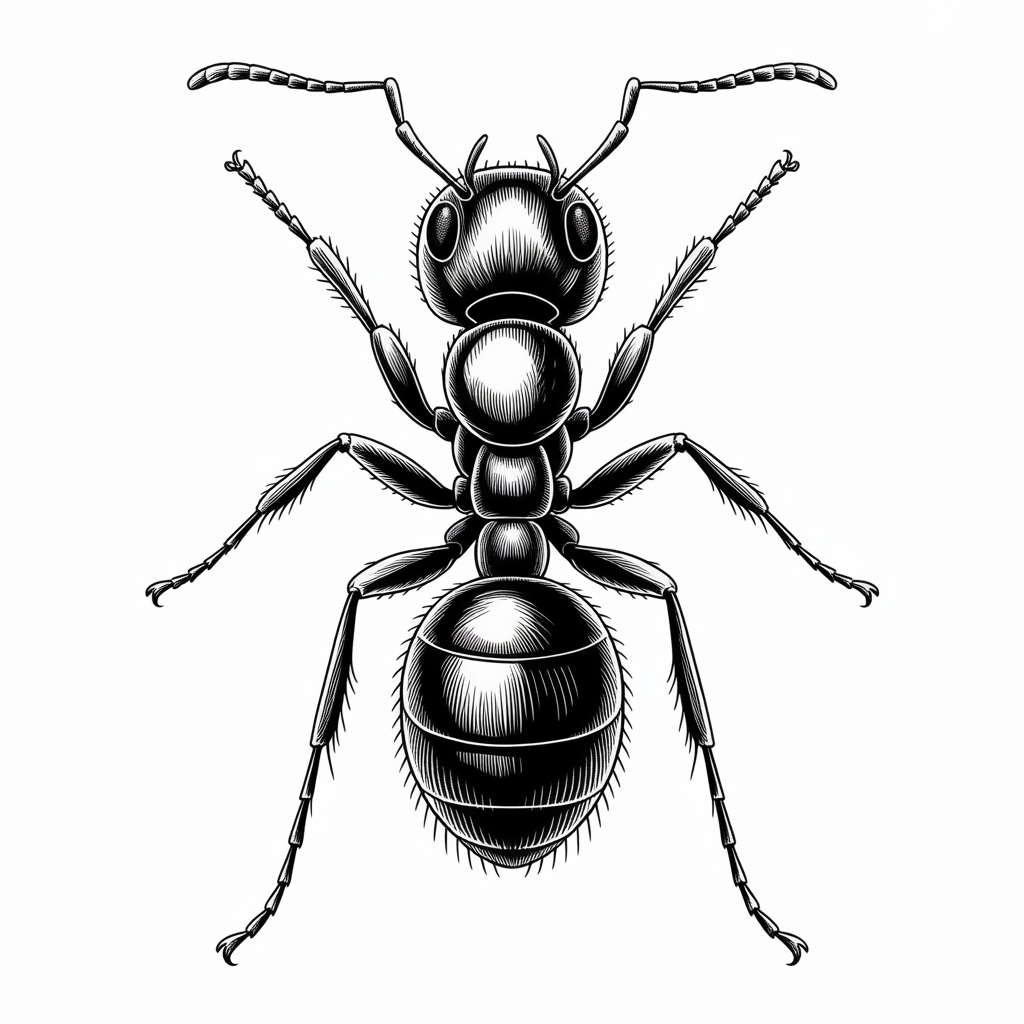
Scientific illustration for identification purposes
Overview
Odorous house ants get their name from the rotten coconut-like smell they emit when crushed. They are one of the most common household ants in the United States and are a persistent nuisance pest that readily nests both indoors and outdoors.
How to Identify
- Small size - 1/16 to 1/8 inch
- Dark brown to black color
- Uneven thorax profile when viewed from side
- Single hidden node (not easily visible)
- Rotten coconut smell when crushed
Behavior
Odorous house ants form trails to food sources and can have multiple nests in and around a structure. They are highly adaptable and will nest in almost any location. Colonies can have multiple queens and relocate frequently.
Habitat
Nest under stones, logs, debris, and mulch outdoors. Indoors, they nest in wall voids, under floors, near heaters, and in insulation. They prefer areas near moisture.
Diet
Prefer sweets, especially honeydew from aphids, but will eat almost anything including dead insects, grease, and meat.
Reproduction
Colonies can have multiple queens producing hundreds of eggs. Colonies relocate frequently and can split into sub-colonies.
Distribution in the Southern U.S.
Very common throughout Texas, Oklahoma, Louisiana, and Mississippi in both urban and rural areas.
Regional Notes
These ants are highly adaptable and thrive in the variable Southern climate. They often move indoors during extreme weather.
Signs of Infestation
- Small dark ants foraging in kitchen or bathroom
- Ant trails along baseboards and counters
- Rotten coconut smell when ants are crushed
- Ants appearing during or after rain
- Multiple ant trails from different directions
Prevention Tips
- Keep food in sealed containers
- Clean up spills and crumbs immediately
- Fix moisture problems and leaky pipes
- Trim vegetation away from house
- Seal cracks and gaps around foundation
- Remove debris and mulch from foundation
When to Contact a Professional
Contact a professional if DIY treatments fail after 2-3 weeks or if you have multiple infestation sites. Professional baiting is often more effective than sprays.
Romex Pest Control provides professional odorous house ant control services across Texas, Oklahoma, Louisiana, and Mississippi.
Learn about our odorous house ant control servicesFrequently Asked Questions
Why do these ants smell?
Odorous house ants emit a defensive chemical called methyl ketone when crushed, which smells like rotten coconuts or blue cheese. This is a reliable way to identify them.
Are odorous house ants harmful?
They do not bite, sting, or cause structural damage. They are nuisance pests that contaminate food. However, they can be persistent and difficult to eliminate without professional help.
Latest Research & News
Recent developments about odorous house ant
Get the latest news and research about odorous house ant
Click "Load News" to fetch recent articles from scientific sources