
Pharaoh Ant
Monomorium pharaonis
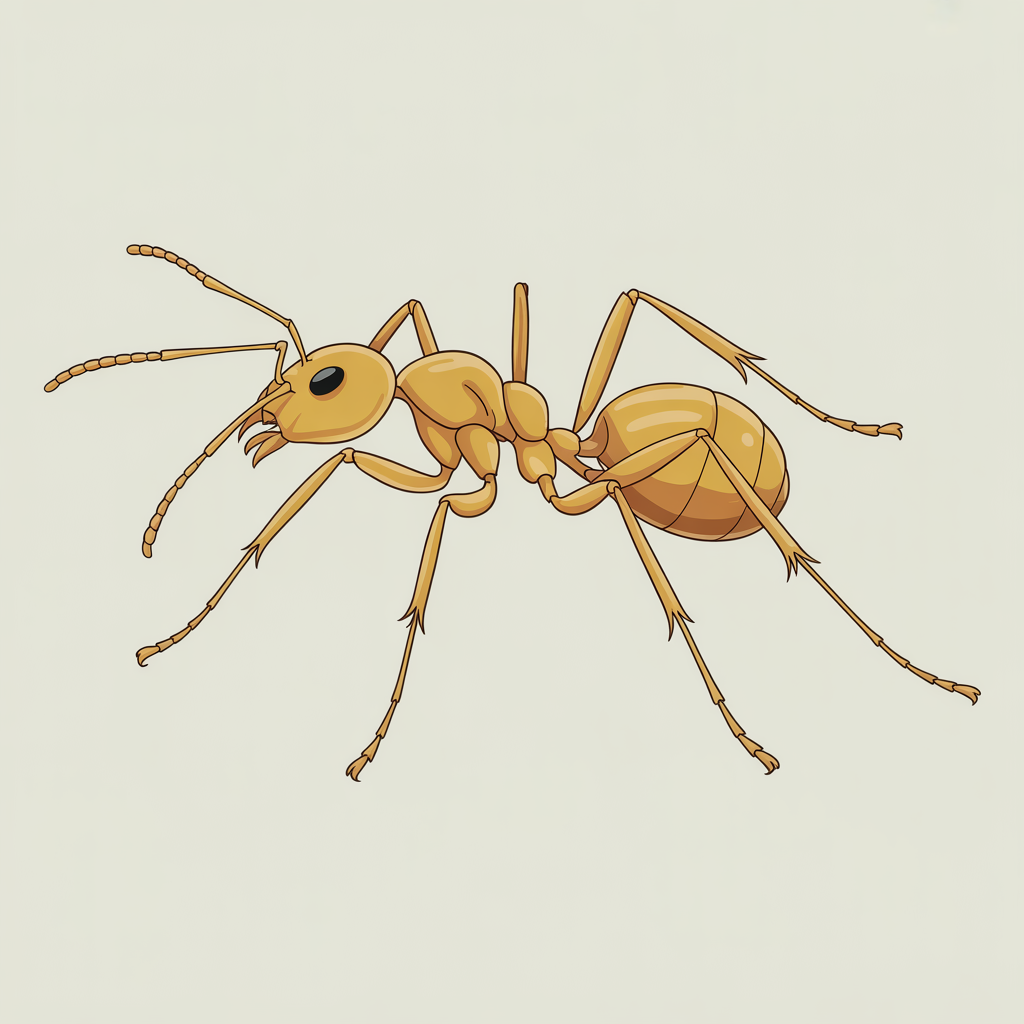
Scientific illustration for identification purposes
Overview
Pharaoh ants are among the most difficult household pests to control. These tiny ants can spread diseases in hospitals and contaminate food in homes. They form multiple colonies that can "bud" when disturbed, making improper treatment counterproductive.
How to Identify
- Very small - about 1/16 inch long
- Light yellow to pale reddish-brown color
- Darker abdomen tip
- 12-segmented antennae with 3-segmented club
- Workers are monomorphic (same size)
Behavior
Pharaoh ants form massive colonies with multiple queens. When disturbed or exposed to repellent pesticides, colonies will "bud" - splitting into multiple new colonies, making the problem worse. They follow defined trails and prefer warm, humid areas.
Habitat
Strictly indoor pests in Southern states. Found in wall voids, behind baseboards, in electrical outlets, under floors, and in any cracks or crevices near food and water. Common in hospitals, restaurants, apartments, and hotels.
Diet
Omnivorous with preference for proteins and sweets. Will eat other insects, grease, and food crumbs. In hospitals, they feed on IV solutions and wound dressings.
Reproduction
Queens can lay 400+ eggs in their lifetime. Colonies have multiple queens (polygyne). New colonies form through budding rather than swarming.
Distribution in the Southern U.S.
Common throughout Texas, Oklahoma, Louisiana, and Mississippi, especially in commercial buildings and multifamily housing.
Regional Notes
Pharaoh ants thrive in the warm Southern climate and can survive year-round indoors. They are particularly problematic in healthcare facilities.
Signs of Infestation
- Tiny yellowish ants near food sources
- Ant trails along edges of counters and walls
- Ants in unusual locations like bathrooms and laundry rooms
- Multiple ant "populations" in different areas
- Ants around electrical outlets and switch plates
Prevention Tips
- Seal all food in airtight containers
- Clean up spills and crumbs immediately
- Eliminate standing water sources
- Seal cracks around pipes and electrical outlets
- Never use repellent sprays - they cause colony budding
- Regular professional baiting programs recommended
When to Contact a Professional
Always contact a professional for pharaoh ant infestations. DIY treatments typically make the problem worse by causing colony budding. Professional baiting programs are the only effective solution.
Romex Pest Control provides professional pharaoh ant control services across Texas, Oklahoma, Louisiana, and Mississippi.
Learn about our pharaoh ant control servicesFrequently Asked Questions
Why do pharaoh ant problems get worse after spraying?
Pharaoh ants respond to repellent pesticides by "budding" - queens and workers break off to form new colonies. One colony can become dozens. Only professional baiting programs effectively eliminate these ants.
Are pharaoh ants dangerous?
Yes, pharaoh ants can transmit pathogens including Salmonella, Streptococcus, and Staphylococcus. They are particularly dangerous in hospitals where they can contaminate sterile areas and medical equipment.
Latest Research & News
Recent developments about pharaoh ant
Get the latest news and research about pharaoh ant
Click "Load News" to fetch recent articles from scientific sources