
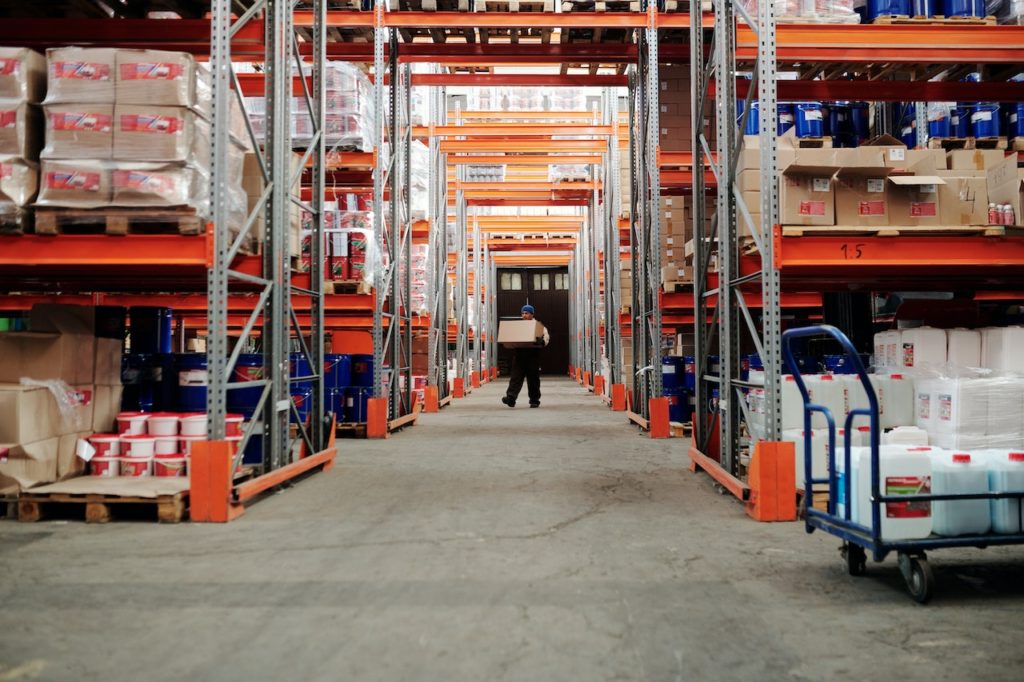
Why Warehouse Pest Control Demands a Different Approach
Managing pest control in warehouses and logistics facilities presents unique challenges that residential pest control simply can't address. With millions of square feet of storage space, constant product movement, and 24/7 operations, these facilities create perfect conditions for pest infestations that can devastate inventory, violate health regulations, and destroy business relationships.
According to the National Pest Management Association, warehouse pest issues cost the logistics industry over $1.2 billion annually in damaged goods, regulatory fines, and operational disruptions. The scale of these facilities means that a small rodent problem can quickly become a catastrophic infestation affecting thousands of pallets.
Ready to Get Started?
Free quote • No obligation • Same-day service available
Critical Inspection Points: Your First Line of Defense
Exterior Perimeter Assessment
Start your pest control checklist with a thorough exterior inspection. Walk the entire perimeter of your facility, paying special attention to:
- Loading dock seals and gaps: Check for worn weather stripping, damaged door seals, and gaps larger than ¼ inch. Mice can squeeze through openings the size of a dime.
- Utility penetrations: Examine where electrical conduits, pipes, and HVAC systems enter the building. These are common entry points that contractors often leave unsealed.
- Foundation cracks: Document any cracks in concrete foundations, especially near ground level where moisture attracts insects.
- Vegetation management: Maintain a 3-foot vegetation-free zone around the building perimeter. Overgrown grass and shrubs provide harborage for rodents and insects.
Interior Structural Vulnerabilities
Inside your facility, focus on areas where pests typically establish populations:
- Racking systems: Inspect the base of pallet racking for rodent droppings, gnaw marks, and nesting materials. The space beneath bottom shelves often becomes rodent highways.
- Ceiling and mezzanine areas: Use binoculars or drones to inspect high areas where birds and bats might roost. Look for accumulations of droppings, which indicate active infestations.
- Floor drains and sumps: These areas provide moisture that attracts cockroaches, drain flies, and other insects. Ensure all drains have proper covers and are regularly cleaned.
Product-Specific Risk Assessment
Different types of inventory attract different pests, requiring tailored prevention strategies:
| Product Category | Primary Pest Threats | Specific Prevention Measures |
|---|---|---|
| Food & Beverage | Rodents, stored product insects, cockroaches | First In, First Out rotation; sealed containers; temperature monitoring |
| Paper Products | Silverfish, booklice, rodents | Humidity control below 50%; elevated storage |
| Textiles & Clothing | Fabric moths, carpet beetles, silverfish | Climate control; regular inspection; sealed packaging |
| Electronics | Rodents (wire chewing), cockroaches | Anti-static packaging; elevated storage; exclusion barriers |
Seasonal Pest Pressure in the South
Facilities across Texas, Oklahoma, Louisiana, and Mississippi face intense seasonal pest pressure due to the warm, humid climate:
Spring (March-May): Termite swarms peak during this period. Inspect for mud tubes along foundation walls and swarmers around exterior lighting. The combination of spring rains and warming temperatures creates ideal conditions for subterranean termites.
Summer (June-August): Cockroach populations explode in the heat and humidity. German cockroaches can complete their lifecycle in just 36 days at temperatures above 80°F. Focus inspections on areas with moisture and food sources.
Fall (September-November): Rodent pressure intensifies as outdoor food sources diminish. Mice and rats actively seek indoor shelter before winter. This is when most warehouse infestations begin.
Winter (December-February): While pest activity decreases, established populations continue breeding indoors. Use this period for intensive monitoring and exclusion work.
Monitoring and Documentation Systems
Establishing Monitoring Stations
Effective warehouse pest management requires systematic monitoring that goes beyond occasional visual inspections:
- Rodent monitoring stations: Place rodenticide-free monitoring stations every 30-50 feet along walls, with additional stations near high-risk areas like break rooms and receiving docks.
- Insect monitors: Use pheromone traps specific to your inventory risks. For example, warehouse beetle traps near natural fiber storage, or Indian meal moth traps in food storage areas.
- Bird exclusion monitoring: Install bird netting and check monthly for damage or gaps that could allow entry.
Digital Documentation Best Practices
Modern warehouse pest management requires detailed record-keeping that can withstand regulatory scrutiny:
- Photograph all pest evidence with timestamps and GPS coordinates
- Maintain digital logs of all monitoring station checks
- Document corrective actions taken and their effectiveness
- Track trends over time to identify seasonal patterns and problem areas
Staff Training and Cultural Integration
Your warehouse staff are your most valuable pest detection assets. Implement training programs that help employees identify and report pest activity:
Employee Pest Awareness Training
- Visual identification guides: Provide laminated cards showing common warehouse pests, their droppings, and damage signs
- Reporting protocols: Establish clear procedures for reporting pest sightings, including who to contact and how to document findings
- Prevention behaviors: Train staff on proper food storage in break areas, cleaning protocols, and the importance of keeping doors closed
Maintenance Team Integration
Your maintenance staff play a crucial role in pest prevention through their daily activities:
- Train maintenance workers to seal gaps and cracks as they encounter them
- Establish protocols for inspecting new equipment deliveries for hitchhiking pests
- Include pest prevention considerations in all facility modification projects
Vendor and Supply Chain Coordination
Pest problems often enter warehouses through the supply chain. Develop comprehensive vendor management protocols:
Incoming Shipment Inspection
- Inspect all incoming pallets for pest evidence before accepting delivery
- Reject shipments showing signs of rodent damage, insect activity, or contamination
- Photograph and document any pest-related rejections for vendor follow-up
Transportation Vehicle Standards
Work with transportation partners to ensure their vehicles don't introduce pests:
- Require clean vehicle certifications for food and sensitive product deliveries
- Inspect trailer interiors before loading, especially for signs of rodent activity
- Establish protocols for fumigation or treatment of contaminated vehicles
Emergency Response Protocols
Despite best prevention efforts, pest emergencies can occur. Having a plan in place ensures quick and efficient response:
- Emergency contact list: Maintain a list of pest control professionals who can respond quickly to emergencies.
- Containment procedures: Train staff on how to contain pest issues to prevent spread.
- Communication plan: Establish a protocol for notifying stakeholders about pest emergencies and the steps being taken to address them.
Key Takeaways
- Regular inspections and monitoring are crucial for early pest detection.
- Tailored prevention strategies are necessary for different types of inventory.
- Staff training and vendor coordination are vital components of a comprehensive pest management plan.
Frequently Asked Questions
What are the most common pests in warehouses?
Rodents, cockroaches, and stored product insects are among the most common pests found in warehouse environments.
How often should pest inspections be conducted?
Inspections should be conducted at least quarterly, with more frequent checks in high-risk areas or during peak pest seasons.
What should I do if I find a pest infestation?
Contact a professional pest control service immediately to assess and address the issue. Implement containment measures to prevent the spread of pests.