
Last Updated: October 2023
Ready to Get Started?
Free quote • No obligation • Same-day service available
About Romex Pest Control
Romex Pest Control has been a leader in pest management solutions for over 20 years. Certified by the National Pest Management Association, Romex has received multiple awards for excellence in service and innovation. Our team of experts is dedicated to providing professional and tested pest control services across Texas, Oklahoma, Louisiana, and Mississippi. Learn more about our services here.
Every year, emergency rooms across Texas treat dozens of spider bite cases, yet most homeowners can't identify the two species that actually pose a medical threat. While Texas hosts over 900 spider species, only the black widow and brown recluse deliver venom that requires immediate medical attention. This guide provides the specific identification markers, behavioral patterns, and evidence-based safety protocols you need to protect your family.
Table of Contents
- The Two Medically Significant Venomous Spiders in Texas
- Immediate Bite Response Protocol
- Prevention Strategies That Actually Work
- Debunking Common Spider Bite Myths
- Regional Considerations Across Our Service Areas
- When Professional Help Becomes Necessary
- Frequently Asked Questions
- Contact Us
The Two Medically Significant Venomous Spiders in Texas
According to the CDC's venomous spider database, Texas encounters are limited to two species with documented medical significance. Understanding their distinct characteristics can literally save you from unnecessary panic—or help you recognize when emergency care is needed.
Black Widow Spider (Latrodectus mactans)
Size and Appearance: Adult females measure 8-13mm body length with a 25-35mm leg span. The diagnostic feature is the red hourglass marking on the underside of the glossy black abdomen. Males are significantly smaller (3-4mm) with red and white markings and pose no threat to humans.
Habitat Preferences: Black widows seek dark, undisturbed spaces with structural support for their irregular webs. In Texas homes, check these high-probability locations:
- Garage corners, especially near the ceiling
- Outdoor furniture stored against walls
- Woodpiles and storage sheds
- Crawl spaces and basement corners
- Behind outdoor grills and equipment
Seasonal Activity: Peak activity occurs from May through October when temperatures range between 70-85°F. Females become more aggressive when guarding egg sacs, which appear as tan, papery spheres about 12-15mm in diameter.
Brown Recluse Spider (Loxosceles reclusa)
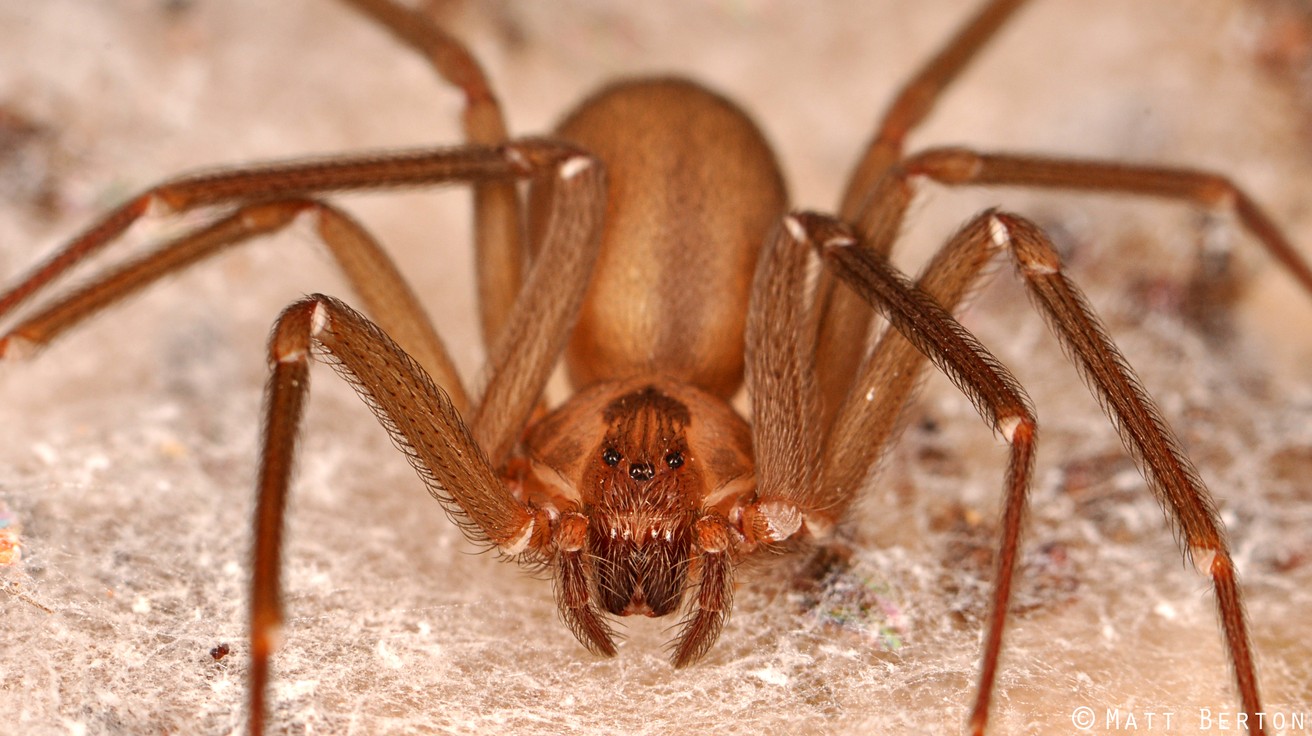
Size and Appearance: Body length ranges 6-20mm with a leg span up to 25mm. The defining characteristic is a dark violin-shaped marking on the cephalothorax (front body section), with the violin's "neck" pointing toward the abdomen. Equally important: brown recluses have six eyes arranged in three pairs, unlike most spiders' eight eyes.
Geographic Distribution in Texas: Texas A&M AgriLife Extension data shows brown recluses primarily inhabit the eastern third of Texas, roughly east of Interstate 35. Counties with confirmed populations include Dallas, Harris, Jefferson, and Orange. West Texas encounters are extremely rare and often involve transported specimens.
Behavioral Patterns: True to their name, brown recluses actively avoid human contact. They hunt at night and retreat to secluded spaces during daylight hours:
- Inside cardboard boxes and stored clothing
- Behind picture frames and wall hangings
- In seldom-used closets and attics
- Under furniture and appliances
- Within folded linens and towels
Immediate Bite Response Protocol
The first 60 minutes after a suspected venomous spider bite are critical for optimal outcomes. Follow this evidence-based response sequence:
First Aid Steps (0-15 minutes)
- Capture or photograph the spider if safely possible—positive identification guides treatment decisions
- Clean the bite area with soap and water to prevent secondary bacterial infection
- Apply ice wrapped in cloth for 10 minutes on, 10 minutes off to reduce venom spread
- Elevate the affected limb if the bite is on an arm or leg
- Remove jewelry from the affected area before swelling begins
When to Seek Emergency Care
Contact emergency services immediately if you experience:
- Black widow symptoms: Muscle cramps spreading from the bite site, abdominal pain, difficulty breathing, excessive sweating
- Brown recluse symptoms: Expanding red area around the bite, blister formation, fever, joint pain
- Systemic reactions: Difficulty swallowing, widespread muscle pain, or altered mental status
Call the North Texas Poison Center at 1-800-222-1222 for immediate guidance on any suspected venomous spider bite.
Prevention Strategies That Actually Work
Oklahoma State University Extension research demonstrates that habitat modification proves more effective than chemical treatments for long-term spider control. Implement these targeted strategies:
Exterior Prevention
- Eliminate web attachment points: Remove vegetation touching your home's exterior walls
- Reduce outdoor lighting: Switch to yellow or sodium vapor bulbs that attract fewer insects (spider food sources)
- Seal entry points: Caulk gaps around windows, doors, and utility penetrations smaller than 1/4 inch
- Manage moisture: Fix leaky outdoor faucets and ensure proper drainage around the foundation
Interior Prevention
- Regular vacuuming: Weekly attention to corners, baseboards, and under furniture removes spiders and egg sacs
- Storage modifications: Use sealed plastic containers instead of cardboard boxes in garages and attics
- Clutter reduction: Minimize hiding spots by maintaining organized storage areas
- Bed protection: Keep bedding away from walls and check shoes before wearing
Debunking Common Spider Bite Myths
Medical literature reveals significant misdiagnosis rates for spider bites. Understanding these facts prevents unnecessary anxiety:
| Myth | Reality |
|---|---|
| Most "spider bites" are from spiders | Studies show 80% of suspected spider bites result from other causes: bacterial infections, allergic reactions, or other insects |
| All spider bites cause necrotic lesions | Only brown recluse bites occasionally cause tissue death, and even then, less than 10% of confirmed bites develop necrosis |
| Aggressive spiders chase humans | Venomous spiders bite only in self-defense when trapped against skin or threatened |
Regional Considerations Across Our Service Areas
Climate and geography create varying spider risks across Texas, Oklahoma, Louisiana, and Mississippi:
Texas (DFW, Austin, San Antonio, Tyler)
East Texas humidity supports higher brown recluse populations, while the drier western regions favor black widows. Peak activity occurs March through November, with outdoor species seeking indoor shelter during extreme summer heat above 100°F.
Oklahoma (OKC, Tulsa, Edmond)
Both species thrive in Oklahoma's climate. Brown recluses are particularly common in older homes with basements and crawl spaces. Winter indoor activity increases as spiders seek warm shelter.
Louisiana (Slidell, New Orleans area)
High humidity and year-round warmth create ideal conditions for black widows. Brown recluses are less common but present in northern parishes. Post-hurricane cleanup requires extra caution due to displaced spider populations.
Mississippi (Gulf Coast)
Coastal humidity and mild winters support black widow populations. Brown recluses are rare but can be found in northern areas. Seasonal flooding may increase spider visibility as they seek dry shelter.
When Professional Help Becomes Necessary
While DIY methods can be effective, certain situations require professional intervention. If you encounter a large infestation or have repeated spider sightings despite prevention efforts, contact a certified pest control expert. Romex Pest Control offers comprehensive spider management services tailored to your specific needs. Learn more about our spider control services.
Frequently Asked Questions
What should I do if I see a spider in my home?
Identify the spider if possible and remove it using a glass and paper or contact a pest control professional for assistance.
Are all brown spiders dangerous?
No, not all brown spiders are dangerous. Only the brown recluse poses a significant medical threat.
Contact Us
For more information or to schedule a consultation, contact Romex Pest Control at 1-800-555-1234 or visit our contact page.