
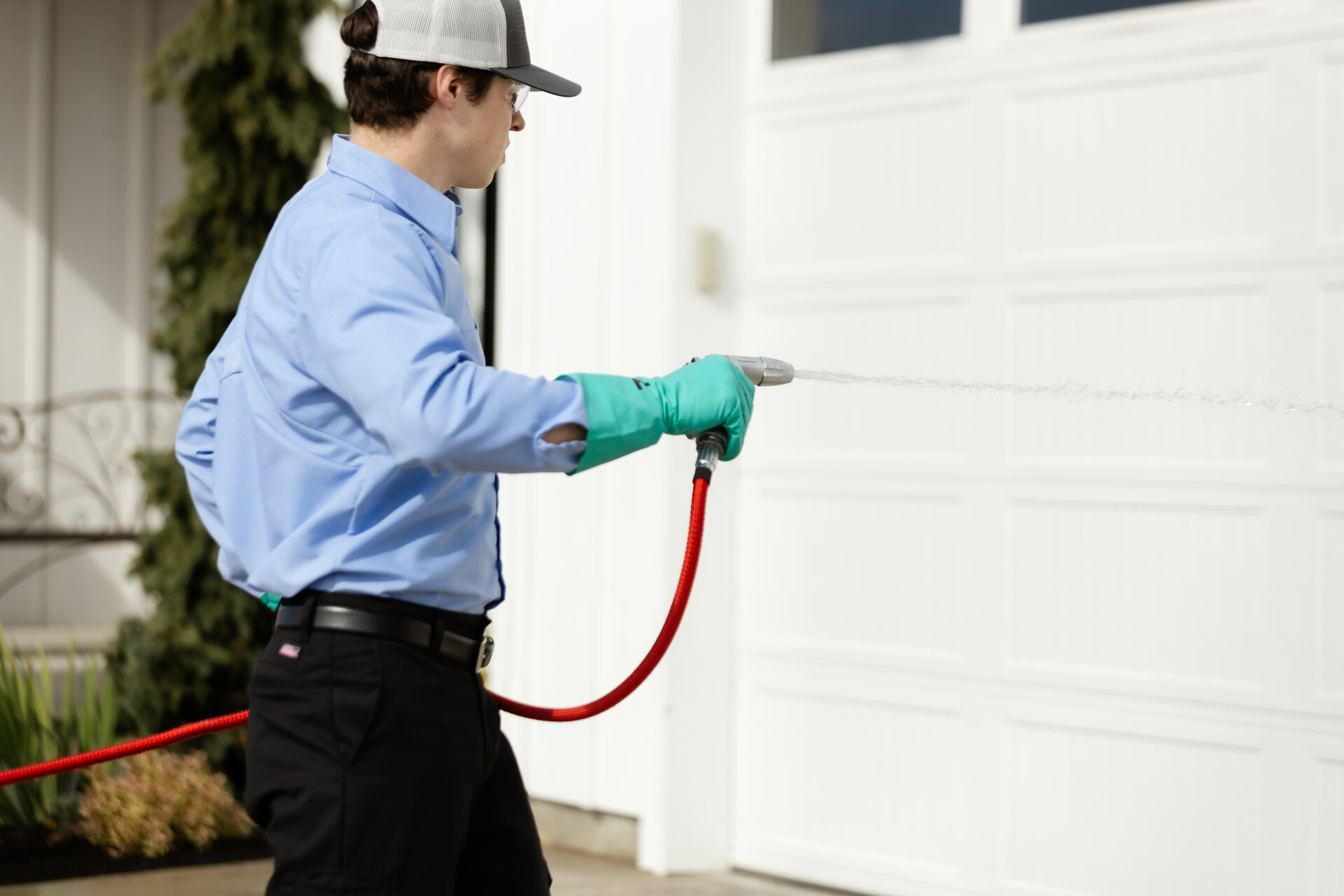
The Colony Pest Control
The Colony, Texas, is a thriving city located along the eastern shore of Lewisville Lake in Denton County. Known for its extensive green spaces, it features the renowned Grandscape development and the 400-acre Wynnwood Park. The city’s history is tied to the Peters Colony settlement, and today it is home to major employers like Nebraska Furniture Mart and Scheels. From Grandscape to Lewisville Lake, Romex treats Denton County properties with proven local expertise and same-day response.
Top The Colony Pest Threats
- Termites
- Mosquitoes
- Ants
- Cockroaches
- Spiders
- Fleas & Ticks
Same-Day Service • Sentricon® Certified • Satisfaction Guaranteed
What type of property needs service?
Note: We do not service trailer homes or vehicles.
Locally Managed & Operated. Backed by National Resources.
Romex joined the Rollins, Inc. family in 2026, but Romex continues to operate independently—same local The Colony management, same technicians, same culture. Rollins acquires brands and lets them run with their established operations. What you get: the same locally managed Romex service, now backed by world-class training and resources. We also offer all-natural pest control options upon request—just ask your technician.
Why Does The Colony, Texas Need Professional Pest Control?
Population: ~45,000 · Denton County
The Colony, Texas, is a thriving city located along the eastern shore of Lewisville Lake in Denton County. Known for its extensive green spaces, it features the renowned Grandscape development and the 400-acre Wynnwood Park. The city’s history is tied to the Peters Colony settlement, and today it is home to major employers like Nebraska Furniture Mart and Scheels.
The Colony lies within the Blackland Prairie region with gently rolling terrain and clay-rich soils. The eastern boundary is defined by the expansive Lewisville Lake, providing a mix of riparian zones and suburban development. These factors create diverse habitats for pests, particularly near the lake, wooded parks, and greenbelts.
Notable Local Features
What Pest Problems Does Your The Colony Neighborhood Face?
Stewart Peninsula
A lakeside neighborhood bordered by Lewisville Lake with golf course views and waterfront homes.
Mosquitoes and rodents are common due to proximity to water and lush vegetation.
The Cascades
A newer residential and commercial area near Nebraska Furniture Mart and Grandscape.
Construction activity and landscaping can attract ants and occasional termites.
Eastvale
An established subdivision with mature trees and easy access to Main Street.
Older homes and tree cover mean increased risk of squirrels, raccoons, and carpenter ants.
North Colony
A centrally located residential area with schools and parks.
Frequent sightings of wasps and stinging insects during spring and summer months.
The Colony Pest Pressures: A Closer Look
What our licensed technicians see on the ground in Denton County.
Termites in Denton County
Termite pressure in The Colony reflects the region's humid subtropical climate and long warm season. Homes built on concrete slabs — particularly in neighborhoods like Stewart Peninsula — provide subterranean colonies hidden access through plumbing penetrations and expansion joints. Mature tree canopies near Grandscape contribute to elevated soil moisture that accelerates colony growth. Romex certified applicators conduct annual monitoring with non-invasive bait stations and thermal imaging, catching active tubes before structural damage reaches the sills or sub-floor. Warranty-backed liquid treatments from Termidor or Taurus SC seal the perimeter for up to ten years.
Prevention tip: Keep mulch, firewood, and landscaping timbers at least 12 inches away from foundation walls and never stack firewood against the house.
Mosquitoes in Denton County
Denton County ranks among the most mosquito-pressured areas in the region, thanks to the humid subtropical climate and dense tree canopy that blocks drying airflow after storms. Residents in The Cascades frequently cite mosquito bites when they request service, especially during morning and evening hours. Vector-borne disease surveillance has confirmed West Nile and rarely EEE in Texas counties, making residual barrier treatments more than a comfort issue. Romex technicians map breeding sites with a property walk before any application.
Prevention tip: Clean gutters at least twice per year; clogged gutters are the #1 overlooked breeding site we find in The Colony yards.
Ants in Denton County
Fire ants arrived in the Gulf region decades ago and have no effective native predators. In The Colony, mounds tend to cluster along sun-exposed areas: driveway edges, sidewalk cracks, and disturbed soil at property lines. Homeowners in Stewart Peninsula frequently report being stung while gardening. For indoor ant pressure, carpenter ants are the species we are most concerned about because they excavate structural wood; their presence often signals a moisture problem in the wall cavity.
Prevention tip: Seal gaps around exterior pipe penetrations and weather-stripping; most indoor ant trails originate at these entry points.
Cockroaches in Denton County
The American cockroach (Periplaneta americana) is the common "water bug" homeowners in The Colony encounter coming out of drains and sewer lines. Older homes in Stewart Peninsula, where mosquitoes and rodents are common due to proximity to water and lush vegetation., have more frequent sightings. Restaurants and food service near Grandscape carry higher overall roach pressure due to dumpster areas. Romex pairs IGR (insect growth regulator) treatments in basements and crawl spaces with Advion gel bait placements in kitchens to break the reproductive cycle.
Prevention tip: Inspect any secondhand appliance (especially microwaves, toaster ovens, mini fridges) before bringing it indoors — German cockroaches hitchhike inside.
Why Do The Colony Homeowners Choose Romex?
Lewisville Lake Expertise
Our technicians understand the unique pest pressures from The Colony's lakefront location and riparian zones. We target moisture-loving pests that thrive near Lewisville Lake's shoreline.
Clay Soil Specialists
The Colony's Blackland Prairie clay soils create specific drainage and pest harborage issues. Our treatments are customized for your property's clay-rich soil conditions.
Stewart Peninsula Coverage
We provide rapid response throughout all Colony neighborhoods including Stewart Peninsula and The Cascades. Our local route ensures consistent service to your specific area.
Construction Zone Protection
With ongoing development in The Colony, we protect homes from construction-related ant and termite activity. Our barrier treatments adapt to your neighborhood's building activity.
Local Pest Control Regulations in The Colony
All Romex technicians are licensed by the Texas Department of Agriculture as required by state law. Many Colony neighborhoods have HOA landscaping requirements that we work within for effective pest management.
The Colony Climate & Pest Activity
Local Climate Impact
The Colony experiences a humid subtropical climate, with average summer highs in the mid-90s°F and mild winters. Annual rainfall averages about 38 inches, and humidity remains moderate to high throughout much of the year. These warm, moist conditions accelerate insect breeding and keep pest activity high, especially near the lake and wooded parks.
Why The Colony Faces Unique Pest Pressures
The proximity to Lewisville Lake and multiple parks provides ideal breeding grounds for mosquitoes and occasional rodent activity. The city's clay soils and lush suburban landscaping also support fire ants, termites, and other soil-borne pests. Tree-lined neighborhoods and greenbelts contribute to increased squirrel and raccoon activity, especially in older subdivisions.
The Colony Seasonal Pest Calendar
Spring (Mar-May)
Warming temperatures and increased rainfall fuel mosquito breeding, especially near Lewisville Lake and parks. Termite swarms and ant colonies become active as soil moisture rises.
Summer (Jun-Aug)
High humidity and heat keep mosquito and fire ant populations thriving. Wasps and rodents seek shelter in shaded yards and homes, especially during drought spells.
Fall (Sep-Nov)
Cooling weather drives rodents indoors and increases spider activity. Cockroaches seek warm, moist environments in older homes and near greenbelt areas.
Winter (Dec-Feb)
Rodents and wildlife like squirrels and raccoons seek warmth indoors; occasional overwintering insects are found in attics and garages.
Pro Tip: The Colony homeowners save up to 40% with year-round protection plans that proactively treat for seasonal pests before they become infestations.
💡Did You Know About The Colony?
The Colony was originally established as part of the historic Peters Colony in the 1800s, and remnants of this early settlement—like mature pecan and oak trees—still provide habitat for wood-boring insects and wildlife today.
Why The Colony Trusts Romex Pest Control
Licensed & Insured
TDA-licensed professionals serving Denton County since 2016. Full liability and workers' compensation coverage.
Targeted Treatment Approach
Professional pest control tailored to The Colony's local conditions. Targeted treatments that minimize chemical use while maximizing effectiveness. We also guide homeowners on IPM strategies they can implement between visits.
Sentricon® Certified
Certified specialists in Sentricon® Always Active™ termite baiting. Essential protection for Denton County properties.
Frequently Asked Questions: Pest Control in The Colony
Straightforward answers to the most common pest control questions from The Colony homeowners — from pricing and service schedules to local pest pressures.
What are the most common pests in The Colony, TX near Lewisville Lake?
▼
Does the clay soil in The Colony affect termite problems?
▼
Are fire ants a problem in Denton County and The Colony?
▼
How does Grandscape impact local pest issues?
▼
What seasonal pests should residents of Stewart Peninsula watch for?
▼
Do local parks in The Colony, such as Wynnwood Park, contribute to wildlife pest problems?
▼
What pests are most common in the Stewart Peninsula area of The Colony?
▼
When is the best time of year to treat for termites in Denton County?
▼
How much does pest control cost in The Colony, TX?
▼
How much does termite treatment cost in The Colony?
▼
When should I start mosquito control in The Colony?
▼
How often should my home in The Colony be treated for pests?
▼
Do I need rodent exclusion work on my The Colony home?
▼
Is professional pest control worth it in The Colony?
▼
What precautions should I take with kids and pets after a pest treatment in The Colony?
▼
Verified Treatment Activity in The Colony
Real pest treatment data from our The Colony service records — not estimates.Updated October 2026
General Pest Control — The Colony
Quarterly & preventive treatments for common household pests
Specialized Treatments — The Colony
Targeted treatments requiring specialized protocols & equipment
Protect Your The Colony Home Today
Free quote • No obligation • Same-day service available
Google Reviews Near The Colony
Recent reviews from our Prosper, TX Google Business Profile, the Romex office closest to The Colony
Courtney T.
Google review · Prosper, TX office
We has Dionnte come out and do our service. He was very well spoken, very knowledgeable and super polite. We were having a massive problem with ants throughout our home and I had been trying everything for weeks. He did his work, and we haven't seen a single ant since. Highly recommend! Thank you all!
Thomas P.
Google review · Prosper, TX office
Michael was an excellent technician and service provider. He was on time and throughly explained the areas and pests he treated for thru the exterior of our home. Thanks again for your service.
Saurabh J.
Google review · Prosper, TX office
Michael did a great job! Took care of our ant issue and did the quarterly service as expected.
Sharmaine
Google review · Plano, TX office
Amhad is extremely thorough and professional; really appreciate the level of service he provides!
Reviews shown word-for-word from Google. Reviewer names shortened for privacy.
Get a Free Pest Control Quote in The Colony
The Colony, Texas Service Area
Romex technicians route through The Colony daily. The map below shows the city and surrounding area we serve.
Nearest Romex Pest Control Office
Pests Active Now in The Colony
Fall activity — schedule preventive treatment now.
The Colony Service Areas
- ✓ Stewart Peninsula
- ✓ The Cascades
- ✓ Eastvale
- ✓ North Colony
Serving Near
- • Grandscape
- • Lewisville Lake
- • The Colony Five Star Complex
- • Wynnwood Park
- • Hawaiian Waters The Colony
Wondering about pricing? See our The Colony Pest Control Cost Guide →
Ready to Protect Your The Colony Property?
Get a free pest control quote today and join hundreds of satisfied customers in The Colony.