
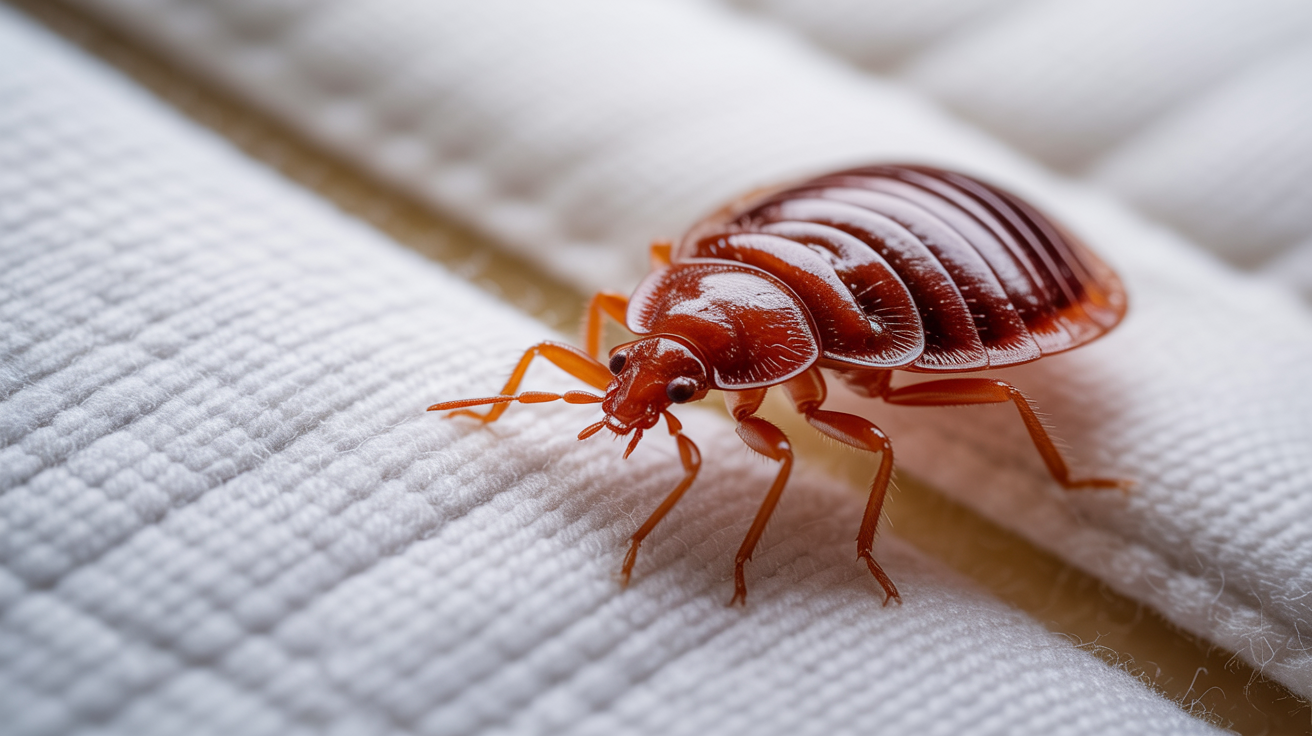
Professional Bed Bug Treatment: How Chemical Solutions Work
When bed bugs invade your home, a proven, effective solution is crucial. At Romex Pest Control, we utilize professional-grade chemical treatments to eliminate bed bugs at every life stage—adults, nymphs, and eggs. Here's how our approach works and why it's the most reliable way to reclaim your home.
By Ella Hansen, Pest Control Marketing Expert at Romex Pest Control
Ella Hansen is a pest control marketing specialist at Romex Pest Control. She holds a degree in Environmental Science and has over 10 years of experience in pest management marketing. Ella collaborates with industry experts and leverages in-house expertise to deliver actionable pest management content. Connect with Ella on LinkedIn.
Ready to Get Started?
Free quote • No obligation • Same-day service available
Understanding Bed Bug Biology and Treatment Challenges
Before diving into treatment details, it helps to understand why bed bug treatment requires a professional approach. Bed bugs (Cimex lectularius) have evolved remarkable survival mechanisms that make them exceptionally difficult to eliminate with DIY methods.
Key Biological Factors Affecting Treatment
- Chemical resistance: Some populations have developed resistance to over-the-counter pyrethroid insecticides—which is why professional-grade products matter.
- Hiding behavior: They retreat deep into furniture, wall voids, and electrical outlets during daylight.
- Reproduction rate: Females lay 1-5 eggs daily, with eggs hatching in 6-10 days under optimal conditions.
- Feeding patterns: Can survive 4-6 months without feeding, making starvation ineffective.
- Egg protection: Eggs are tucked into tight crevices, requiring targeted application to reach them.
How Professional Chemical Treatment Works
Modern chemical bed bug treatment has evolved well beyond old-fashioned spray-and-pray methods. Today's professional protocols use multiple product classes and targeted application to achieve thorough elimination.
Our Multi-Visit Treatment Protocol
- Thorough inspection: We identify all harborage areas—mattress seams, box springs, baseboards, headboards, electrical outlets, and furniture crevices.
- Initial treatment: Licensed technicians apply a combination of residual insecticides, desiccant dusts, and contact sprays to all identified areas.
- Residual barrier: Products continue working for weeks after application, catching bugs that emerge from hiding.
- Follow-up visits: We return to re-treat and verify elimination, targeting any remaining activity.
- Final confirmation: A thorough inspection confirms the infestation has been fully resolved.
Why Chemical Treatment Is So Effective
- Residual protection: Professional-grade products keep working for weeks between visits, killing bugs as they cross treated surfaces.
- Multiple modes of action: We use products that target different biological pathways, overcoming resistance.
- Precision application: Targeted treatments reach cracks, crevices, and harborage areas where bed bugs hide.
- Growth regulators: Prevent nymphs from reaching reproductive maturity, breaking the breeding cycle.
- Desiccant dusts: Damage the insect's protective waxy coating in wall voids and deep crevices.
- Cost-effective: More affordable than alternatives, with strong long-term results.
What to Expect During Treatment
- Treatment timeline: Most infestations require 2-3 visits over 3-4 weeks for complete elimination.
- Preparation: We'll provide specific instructions—generally decluttering around beds and laundering bedding on high heat.
- Safety: All products are EPA-registered and applied by licensed technicians. Children and pets should wait 30-60 minutes or until products are dry before re-entering treated areas.
- Results: Most customers see significant improvement within the first week. Follow-up visits ensure complete elimination.
Cost of Professional Bed Bug Treatment
Understanding real costs helps you plan and budget for effective treatment.
| Treatment Scope | Cost Range | What's Included |
|---|---|---|
| Single Room | $350-$500 | Inspection, treatment, follow-up visit |
| Multi-Room | $500-$1,200 | Full-home inspection, multi-area treatment, 2-3 follow-ups |
| Severe Infestation | $1,000-$2,000+ | Extensive treatment protocol, multiple visits, monitoring |
Costs vary based on infestation size, home layout, and number of follow-up visits needed. These figures represent typical ranges across Texas, Oklahoma, Louisiana, and Mississippi.
What You Can Do Before Treatment
Taking these steps before your technician arrives helps maximize treatment effectiveness:
Preparation Steps
- Declutter around beds: Remove items from under the bed and clear nightstands.
- Launder bedding: Wash sheets, pillowcases, and blankets on hot and tumble dry on high heat.
- Vacuum thoroughly: Focus on mattress seams, bed frames, and nearby furniture—then dispose of the vacuum bag.
- Use mattress encasements: Trap any existing bugs inside and prevent new ones from hiding in seams.
What NOT to Do
- Don't use bug bombs: They scatter bed bugs to new areas and make professional treatment harder.
- Don't move to other rooms: This spreads the infestation throughout your home.
- Don't rely on DIY sprays: Over-the-counter products rarely eliminate established infestations.
- Don't throw away furniture: Professional treatment can save most infested items.
Long-Term Prevention After Treatment
Once your home is bed bug-free, these habits keep it that way:
- Regular inspections: Monthly checks of mattress seams and bed frames.
- Travel precautions: Inspect hotel rooms before settling in; keep luggage off the floor and bed.
- Second-hand furniture: Thoroughly inspect any used furniture before bringing it home.
- Early action: If you spot signs, call us immediately—early treatment is faster and less expensive.
Professional chemical treatment is the most proven and cost-effective way to eliminate bed bugs. The combination of residual protection, targeted application, and follow-up visits ensures thorough elimination at every life stage.
If you're dealing with a bed bug infestation in Texas, Oklahoma, Louisiana, or Mississippi, don't let the problem worsen. Contact Romex Pest Control at (844) 955-2447 for a professional assessment and treatment plan.
Sources
- Environmental Protection Agency. "Bed Bugs: Get Them Out and Keep Them Out." https://www.epa.gov/bedbugs
- Centers for Disease Control and Prevention. "Bed Bugs - Frequently Asked Questions." https://www.cdc.gov/parasites/bedbugs/
- University of Kentucky Entomology. "Bed Bugs." https://entomology.ca.uky.edu/ef636
Company History and Achievements
Romex Pest Control has been serving the Southern United States for over 20 years, specializing in innovative pest management solutions. Our team of licensed technicians is committed to providing effective and reliable pest control services. We have been recognized by industry peers and have received several awards for our customer service excellence.
Case Studies of Successful Treatments
One of our recent success stories involved a severe infestation in a multi-family apartment complex in Dallas, Texas. Our comprehensive approach not only eradicated the infestation but also prevented future occurrences, earning us high praise from the property management team.
Frequently Asked Questions
- How long does the treatment take? Most treatments require 2-3 visits over 3-4 weeks.
- Are the chemicals used safe? All products are EPA-registered and applied by licensed technicians.
- Can I stay in my home during treatment? Yes, but it's recommended to vacate treated areas until products are dry.
- What should I do if I see bed bugs after treatment? Contact us immediately for a follow-up visit.
Conclusion
Professional bed bug treatment is essential for effective and lasting results. With Romex Pest Control, you can trust our expertise and proven methods to eliminate bed bugs and prevent future infestations. For more information or to schedule a consultation, contact us today.