
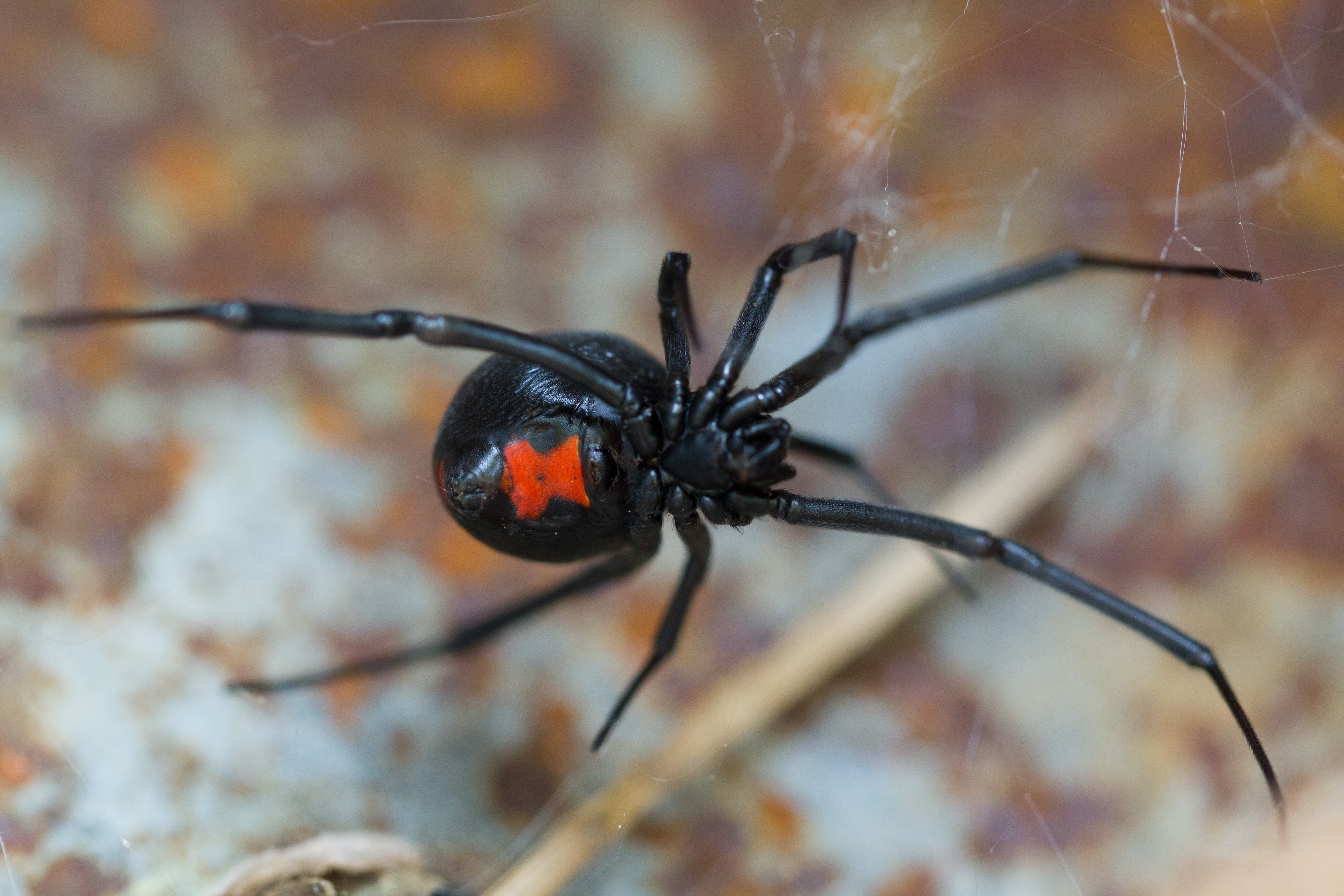
A large spider racing across the floor can make anyone reach for a shoe. However, size and speed don't necessarily indicate danger. Most spiders found inside Southern homes are reluctant to bite and provide free insect control. In Texas, Oklahoma, Louisiana, and Mississippi, the two groups that deserve real caution are widow spiders and brown recluses. Here's how to recognize them, where they hide, and when a sighting calls for professional help, without treating every long-legged visitor like a medical emergency.
Only 2 House Spiders in the South Are Actually Dangerous
Nearly all spiders produce venom to subdue prey, but "venomous" doesn't automatically mean dangerous to people. In the South, black widows and brown recluses are the primary house-invading spiders considered medically significant. Brown widows can also cause painful bites, although serious effects are less common.
These spiders aren't hunting people. Bites generally occur when one is pressed against skin inside a glove, shoe, stored box, towel, or piece of clothing.
Black Widow Spiders: Identification and Bite Risks
Adult female black widows have glossy, rounded black bodies and typically display a red or orange hourglass beneath the abdomen. Markings vary, so the hourglass may appear incomplete or divided. Males and juveniles are smaller and often have lighter stripes or spots.
Their web is often the giveaway before you even spot the spider. As Romex West Dallas Service Manager Robert Beasley puts it: "The way you know you are dealing with black widows is the web design. Black widows make the most hot garbage web compared to other spiders" — an irregular, tangled mess rather than a neat spiral.
According to the CDC, black widow venom is significantly more potent than many rattlesnakes' — it triggers a massive release of neurotransmitters, causing rigid muscle spasms. A bite typically starts with minimal initial pain, then progresses to severe muscle cramping, rigidity, and spasms near the abdomen or back, along with sweating, nausea, and vomiting. Severe symptoms require prompt medical evaluation.
Not every bite delivers venom, either. Black widows can deliver a "dry bite" with none at all — often because they haven't eaten in a while and are conserving it, or because a male or juvenile simply doesn't have the fangs or venom sacs to inject a meaningful dose.
Brown Recluse Spiders: Identification and Bite Risks
A brown recluse is tan to dark brown, with six eyes arranged in three pairs, not eight like most spiders. The often-mentioned violin marking can help, but it isn't reliable by itself. Several harmless species have similar markings.
Brown recluses occur through much of the south-central United States, including parts of Texas and Oklahoma. They may also travel in furniture or moving boxes and establish isolated populations elsewhere.
Their venom works differently than a black widow's — it contains enzymes like sphingomyelinase D that break down cell membranes directly, though the total volume delivered per bite tends to be smaller. Bites can initially be painless, with mild stinging at first. Over subsequent hours or days, pain typically increases, and a blister, bullseye-shaped lesion, or a deeper wound can develop as surrounding tissue breaks down. Most bites don't cause extensive tissue damage, but worsening symptoms need medical care.
Ready to Get Started?
Free quote • No obligation • Same-day service available
Where Our Technicians Actually Find Them
Our technicians rarely find medically significant spiders sitting out in open living areas — both species specifically avoid exposed spots. Romex West Dallas Service Manager Robert Beasley sees the pattern on calls: "Brown recluse I see them in more rural areas but they love high moisture environments. As for black widow, usually anywhere and everywhere." Outdoors, that often means damp harborage like mulch, leaf litter, or stacked woodpiles; once they move inside, they still favor the driest, most undisturbed spot they can find.
Black widows in particular show up wherever there's shelter near prey: garage door frames, irrigation boxes, stacked firewood, outdoor kitchens, pool equipment, and storage sheds. Brown recluses stick to dry, undisturbed indoor spaces — cardboard boxes, attic insulation, closets, wall voids, stored holiday decorations, and gaps behind furniture.
Garages are especially favorable territory because they combine insects, clutter, darkness, and easy entry around worn weather seals. Rural properties, barns, and homes beside greenbelts tend to face more pressure, but clean suburban homes aren't immune.
Common Harmless Spiders Mistaken for Dangerous Species
Southern house spiders, also called crevice spiders, cause frequent brown recluse scares. Males are brown or amber with long legs, while females are dark, velvety, and sometimes compared to small tarantulas. Unlike recluses, they commonly produce visible webbing around cracks and exterior crevices. Their bites are rare and not medically significant.
Wolf spiders are large, fast ground hunters, but they don't build capture webs and generally flee people. Cellar spiders have tiny bodies and extremely long legs. Orb weavers, including yellow garden spiders, construct organized circular webs outdoors.
When appearance alone isn't enough, a licensed pest control technician can identify the species and determine whether treatment is warranted.
Why Fall Is the Time When They Move Indoors
Spider sightings often increase as summer gives way to fall. Cooling temperatures change insect activity, while mature male spiders roam farther in search of mates. That movement makes them more visible around doors, garages, and baseboards, even when the overall population hasn't suddenly exploded.
Spiders can enter through worn door sweeps, utility penetrations, weep holes, roofline gaps, and openings around windows. Boxes, firewood, outdoor furniture, and seasonal decorations also provide transportation indoors.
In Southern climates, pest activity doesn't stop after the first cool front. Warm afternoons can keep insects, and the spiders feeding on them, active well into fall or winter.
What to Do if You Suspect a Spider Bite
Wash the area gently with soap and water, apply a wrapped cold pack for short intervals, and elevate the affected limb when practical. Don't cut the skin, attempt to extract venom, or apply heat. Those measures can worsen tissue injury.
Seek immediate medical assistance for difficulty breathing, severe muscle cramps, spreading pain, vomiting, faintness, or symptoms involving a young child, older adult, or medically vulnerable person. A blistering or expanding lesion also deserves evaluation.
When in doubt, call Poison Control at 1-800-222-1222 or use their online tool — they'll walk you through whether it needs emergency care in a matter of minutes, no guessing required.
If you can do so without risking another bite, photograph the spider or trap it in a sealed container. Don't delay care while trying to capture it: many skin infections and other conditions are mistakenly blamed on spiders.
How to Keep Spiders Out
Successful spider prevention combines exclusion, habitat reduction, and control of the insects spiders eat.
- Replace damaged door sweeps and weatherstripping.
- Seal cracks around pipes, cables, windows, and siding.
- Store firewood off the ground and away from exterior walls.
- Reduce cardboard and undisturbed clutter in garages and attics.
- Shake out gloves, shoes, and stored clothing before use.
- Vacuum webs and egg sacs rather than crushing them by hand.
- Adjust exterior lighting or use less insect-attracting bulbs.
- Trim shrubs and branches away from the structure.
Persistent activity may require targeted spider control near you, particularly when widows or recluses are confirmed.
When to Call a Romex Technician
One harmless spider doesn't necessarily indicate an infestation. Professional inspection makes sense when you repeatedly find spiders indoors, discover multiple egg sacs, encounter dense webs around entry points, or suspect black widows or brown recluses.
You should also call before clearing heavily infested storage areas where direct contact is likely. A Romex technician can identify specimens, inspect conducive conditions, treat harborages, and recommend practical exclusion repairs as part of our spider control service.
Treatment should target cracks, voids, and exterior activity zones, not simply spray every visible surface.
Did You Know?
According to the EPA, spiders are beneficial in controlling pest populations. They naturally reduce the number of insects in your home.
Professional Tip
Regularly inspect and maintain your home's exterior to prevent spider entry. This includes sealing gaps and ensuring all weatherstripping is intact.
Conclusion
Understanding the types of spiders that pose a risk in Southern homes is crucial for safety and peace of mind. While most spiders are harmless and even beneficial, knowing how to identify and manage black widows and brown recluses can prevent unnecessary panic and ensure appropriate action. For persistent issues, professional pest control services like those offered by Romex Pest Control can provide targeted solutions to keep your home safe and spider-free.