
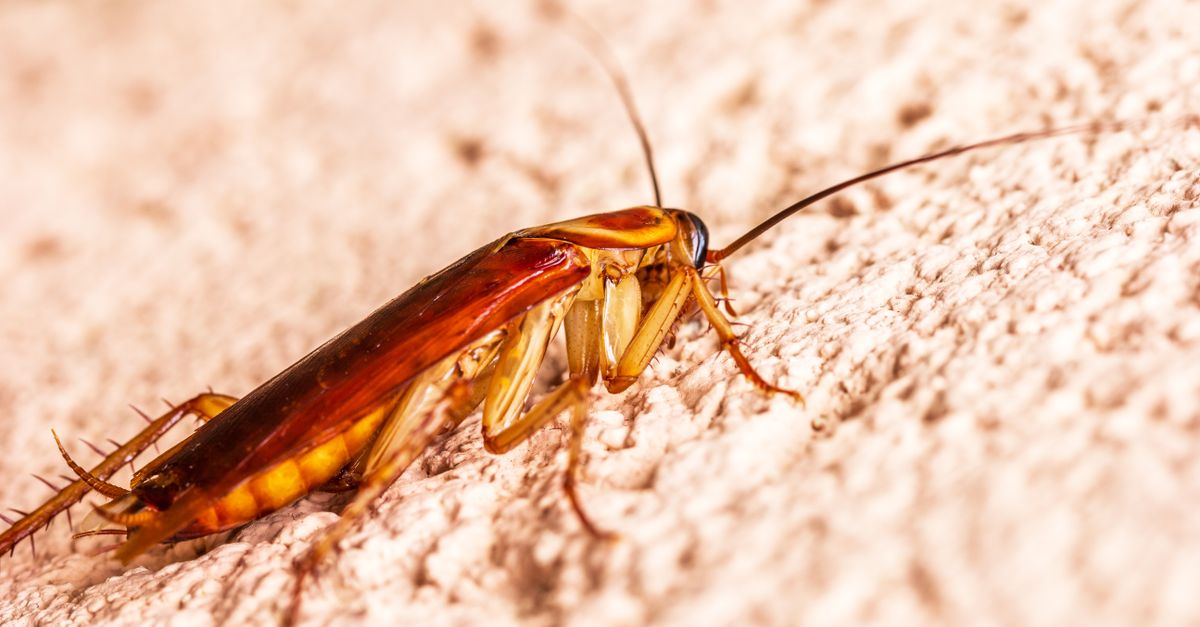
German cockroaches can turn a quiet kitchen into a nightly source of stress. You clean the counters, empty the trash, spray the ones you see, and they return. That doesn't mean your home is dirty. It usually means a hidden breeding population is living near food, warmth, and moisture. Successful German roach removal requires more than killing visible insects: you must reach their hiding places and interrupt every life stage. Here's what actually works, what slows treatment down, and when you can reasonably expect the infestation to be gone.
Effective Strategies for German Cockroach Removal
Effective removal starts with correct identification, targeted baiting, insect growth regulators, sanitation, and follow-up monitoring. According to the CDC, a light infestation may improve substantially within one to two weeks, while an established population commonly takes several weeks and sometimes multiple professional treatments to eliminate.
Practical Steps for Removal
Place gel or containerized baits near active areas where they actually live.
Use glue boards to locate population hotspots.
Remove competing food and water.
Treat cracks and voids rather than open surfaces.
Reinspect after egg cases hatch.
Avoid changing products every few days. German roach control works through sustained pressure on the population, not one dramatic application.
Did You Know?
German cockroaches can reproduce rapidly, with females carrying egg cases that hold 30 to 40 eggs. These can hatch in as little as 28 days under optimal conditions, leading to rapid population growth.
Ready to Get Started?
Free quote • No obligation • Same-day service available
Understanding German Cockroaches
German cockroaches are small, usually about half an inch long, with two dark parallel stripes behind the head. Unlike larger American or Oriental cockroaches that may enter from outdoors or drainage areas, German roaches primarily live and reproduce inside buildings.
Regional Challenges
In regions like Texas, Louisiana, Oklahoma, and Mississippi, the warm climate and high humidity levels provide ideal conditions for German cockroaches to thrive. These pests favor kitchens, bathrooms, laundry rooms, and warm appliances, often arriving in cardboard boxes, grocery bags, deliveries, used appliances, or furniture.
Why German Cockroaches Are So Hard to Get Rid Of
German roaches fit into extremely narrow cracks, spend little time in the open, and can survive on tiny amounts of grease, crumbs, and moisture. Killing the few you spot doesn't reach the insects behind cabinets or inside appliance voids.
Professional Tip
Consider using insect growth regulators (IGRs) as part of your treatment plan. These products disrupt the development and reproduction of cockroaches, providing a more comprehensive approach to pest control.
How Fast German Roaches Reproduce
German cockroach eggs hatch about 28 days after the egg case forms. The female carries that case, which holds roughly 30 to 40 eggs, and drops it one to two days before the nymphs emerge. Those nymphs reach breeding age in another 50 to 60 days. Under favorable indoor conditions, her offspring can mature and begin reproducing within a few months. Multiple overlapping generations may hence be present in the same kitchen.
What Actually Kills German Roaches
The strongest programs combine several tools:
Roach baits: Insects feed on the bait and may transfer the active ingredient within their nests.
Insect growth regulators: These disrupt development and reproduction.
Nonrepellent crack-and-crevice treatments: Proper placement reaches travel routes without scattering the population.
Dusts: Carefully applied products can remain effective in inaccessible, dry voids.
Glue monitors: These reveal where activity persists.
Total-release foggers, or "bug bombs," rarely penetrate the tight spaces where German roaches spend most of their time. The airborne pesticide settles on exposed surfaces instead. Repellent aerosol sprays may scatter roaches, contaminate bait placements, and push survivors deeper into walls. Never spray over or near bait unless the product label specifically permits it.
How Long German Cockroach Removal Takes
There isn't one honest timeline for every home. A small, recently introduced infestation may be controlled in two to four weeks. Moderate or heavy infestations often require four to eight weeks, and severe problems may take longer.
Your timeline depends on:
The number and location of harborages
Whether several life stages are present
Access to food, water, and clutter
Insecticide resistance
Neighboring infestations in attached housing
Your completion of preparation and sanitation steps
Why You See More Roaches Right After Treatment
A short-term rise in sightings doesn't automatically mean treatment failed. Baiting and targeted applications can disturb hiding sites, causing affected roaches to wander into open areas. You may also notice dead, slow-moving, or disoriented insects during the first several days.
Activity should trend downward, not necessarily disappear overnight. Monitor where and when sightings occur, and tell your technician if one room remains active. Glue-board counts offer a more reliable measure than memory alone.
How to Keep German Roaches From Coming Back
Prevention means removing what German roaches need and inspecting what you bring inside. Store pantry staples and pet food in sealed containers. Clean grease beside stoves, empty trash regularly, and avoid leaving pet bowls out overnight. Repair leaking faucets and supply lines, dry sinks before bed, and clean beneath appliances.
Contact Us
For professional assistance, contact Romex Pest Control. Our technicians serve communities across Texas, Oklahoma, Louisiana, and Mississippi with targeted inspections and treatment plans based on infestation size and building conditions. Contact us today for a consultation.
German Roaches in Apartments and Shared Walls
In apartments, duplexes, and other attached buildings, German roaches can move through plumbing openings, utility penetrations, wall voids, and shared corridors. Your unit may be spotless while an untreated neighboring unit continually reintroduces them.
Notify property management in writing and document sightings by date and location. Ask whether adjacent, above, and below units will be inspected. Treating only one apartment can create temporary improvement without resolving the building-level source.
Seal accessible gaps around pipes and cabinets, but don't assume caulk alone will stop an active population. Coordinated inspection, baiting, monitoring, and sanitation usually produce the best outcome. Regional licensed pest control is particularly useful when activity crosses shared walls or repeatedly returns after tenant-level treatment.
When to Call Romex Pest Control Professionals for German Cockroach Control
Call a professional when you see roaches during daylight, find nymphs or egg cases, detect activity in multiple rooms, or continue seeing insects after careful baiting and sanitation. Families should also seek help when asthma, allergies, pets, young children, or sensitive household members make pesticide selection especially important.
Romex Pest Control technicians serve communities across Texas, Oklahoma, Louisiana, and Mississippi with targeted inspections and treatment plans based on infestation size and building conditions. Same-day availability can help you act before another breeding cycle develops, while follow-up service and free retreatments support lasting control under the company's satisfaction guarantee.