
Ella Hansen is a pest control marketing specialist at Romex Pest Control, leveraging in-house expertise and external industry resources to deliver actionable pest management content. With extensive knowledge of the pest control industry across Texas, Louisiana, Oklahoma, and Mississippi, she translates technical pest management information into accessible guidance for homeowners.
Lone Star, American Dog, Gulf Coast, and Deer Tick: A Practical Southern Guide to Identification, Risk, and Removal
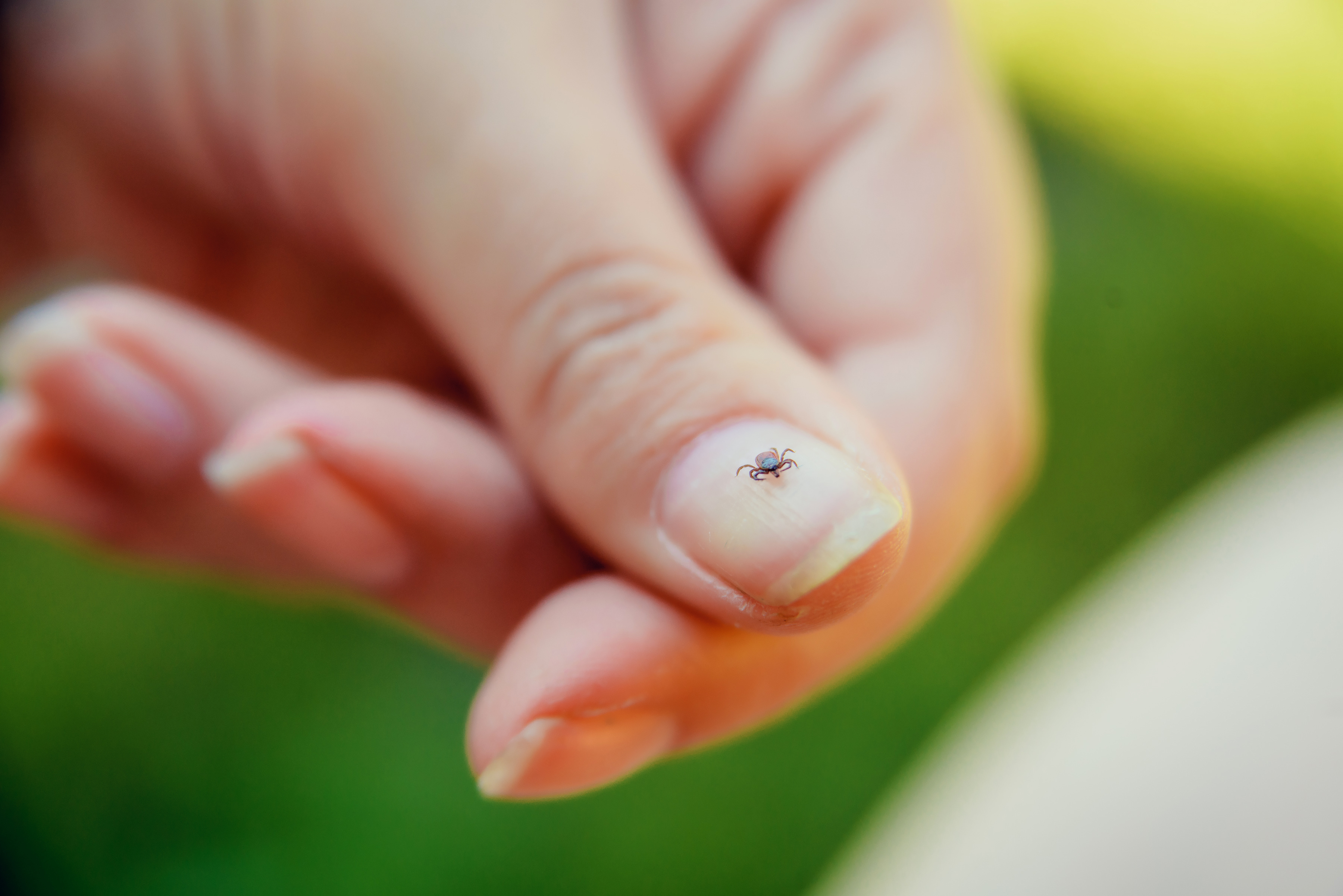
Ticks don't all behave the same, and in the South, that difference matters. If you live in Texas, Oklahoma, Louisiana, or Mississippi, you're most likely to encounter four species around yards, pets, wooded edges, and overgrown lots: the Lone Star tick, American dog tick, Gulf Coast tick, and deer tick. Some are aggressive biters, some are known for disease transmission, and some are simply easier to miss. Here's how to tell them apart, where they hide, what health risks they carry, and what to do if one ends up on you, your child, or your dog.
Ready to Get Started?
Free quote • No obligation • Same-day service available
Why These Four Tick Species Matter In The South
These four species are significant because they cover most of the real-world tick exposure homeowners face across the southern region. Lone Star ticks are especially common and notoriously aggressive. American dog ticks turn up near trails, grassy borders, and pet pathways. Gulf Coast ticks thrive in warm, humid areas and can affect both people and animals. Deer ticks are smaller, easier to miss, and medically important because of the diseases they may transmit.
In plain terms: if you spend time in brushy yards, walk pets, garden, hunt, or hike, these are the ticks most likely to affect your household.
TL;DR: What You Need to Know About Tick Bites and Health Risks
Not every tick bite makes you sick, but every bite deserves attention. Remove ticks promptly with fine-tipped tweezers, clean the area, and watch for symptoms over the next several days or weeks. Fever, rash, fatigue, body aches, headache, or unusual swelling are reasons to call a medical provider.
For pets, watch for lethargy, limping, reduced appetite, or irritation around the bite site. If ticks keep showing up in your yard, recurring exposure usually means the surrounding habitat needs treatment, not just the people or pets walking through it.
How To Identify Lone Star, American Dog, Gulf Coast, And Deer Ticks
Correct ID helps you gauge risk and explain the bite to your doctor or veterinarian. Size changes a lot after feeding, so color, markings, body shape, and leg appearance are more useful than "it was tiny" or "it looked brown."
Lone Star Tick (Amblyomma Americanum)
Adult females usually have one distinct white spot on the back, which makes them the easiest of the group to recognize. Males have scattered pale markings. They're reddish-brown, long-mouthed, and very active hunters rather than passive waiters. In the South, they're the tick people often describe as "coming after us."
American Dog Tick (Wood Tick)
American dog ticks are brown with whitish or grayish mottled markings on the shield behind the head. They're a bit stockier in appearance than Lone Star ticks. Adults are the stage most often found on people and dogs. They prefer grassy areas and trail edges more than dense, shaded leaf litter.
Gulf Coast Tick
Gulf Coast ticks are ornate-looking, with pale silvery markings and longer mouthparts. They're common in coastal and humid southern environments but can also occur inland. Homeowners sometimes confuse them with American dog ticks, though Gulf Coast ticks often appear more sharply patterned.
Deer Tick (Black-Legged Tick)
Deer ticks are smaller and more delicate-looking. Adult females have a reddish-orange body with a darker front shield and black legs: males are darker overall. Nymphs are tiny, about the size of a poppy seed, so they're easy to overlook. That's part of what makes them medically significant.
Where They Live And When You’re Most Likely To Encounter Them
Ticks don't jump or fly. They wait on vegetation and grab on as people, pets, or wildlife brush past. In southern states, you're most likely to encounter them in overgrown grass, weedy fence lines, shaded yard edges, brush piles, leaf litter, creek corridors, and spots where deer or stray animals travel.
Season matters, but not as neatly as people think. Spring through early fall is peak activity for many species, especially Lone Star and American dog ticks. Mild winters in Texas and along the Gulf Coast can extend activity well beyond what homeowners expect. If your property backs to woods, open pasture, drainage areas, or unmanaged lots, your risk goes up fast.
Life Cycle, Hosts, And How Ticks Spread Around Homes And Yards
Ticks move through four stages: egg, larva, nymph, and adult. Most need a blood meal between stages. That means your yard can become part of a bigger wildlife cycle even if no one in the home has noticed a problem yet.
Rodents, rabbits, birds, deer, stray cats, and dogs can all carry ticks onto a property. Once habitat is favorable, shade, moisture, ground cover, and host traffic, ticks establish around the perimeter and spread inward. Pets often become the bridge between outdoor tick populations and your home. When pressure is consistent, professional flea & tick control near me is usually more effective than spot-treating one corner of the yard.
Health Risks Linked To Each Tick Species
Different ticks carry different concerns, and geography matters.
Lone Star ticks are associated with ehrlichiosis and can also trigger alpha-gal syndrome in some people, a red meat allergy linked to prior bites. American dog ticks are known vectors of Rocky Mountain spotted fever and tularemia in certain areas. Gulf Coast ticks have been linked to Rickettsia parkeri rickettsiosis, which can cause fever, rash, and an eschar at the bite site. Deer ticks are the best-known carriers of Lyme disease in the U.S., though risk varies by region: they may also transmit anaplasmosis and other infections.
This is one reason families dealing with repeat exposure often bring in a licensed pest control team instead of relying on sprays from the hardware aisle.
What To Do After A Tick Bite On People Or Pets
Remove the tick as soon as you can with fine-tipped tweezers. Grasp it close to the skin and pull upward with steady pressure. Don't twist, crush, burn, or coat it with petroleum jelly. Then wash the bite with soap and water and clean your hands.
If possible, save the tick in a sealed container or clear tape for identification. Over the next 30 days, watch for fever, rash, fatigue, headache, joint pain, or unusual symptoms. For pets, monitor for scratching, swelling, low energy, limping, or appetite changes, and contact your vet if anything seems off.
If bites are happening around patios, dog runs, or shaded borders, recurring exposure usually means you need a ticks exterminator, not just better repellent.
How Romex Pest Control Treats for Ticks
Romex approaches tick problems the way field pros should: by targeting habitat, host pathways, and recurring hot spots instead of just spraying everything in sight. That usually means inspecting shaded edges, heavy ground cover, pet zones, fence lines, and transition areas where lawn meets brush.
Treatment plans are designed for southern properties and the wildlife pressure around them. Local technicians identify conducive conditions, apply targeted products where ticks rest and quest, and recommend practical steps like mowing tall grass, reducing leaf litter, trimming dense vegetation, and limiting harborage near play areas. When families need dependable pest control near me, the goal is safer, longer-lasting reduction, not a quick cosmetic fix.
Company History and Achievements
Romex Pest Control has been serving the southern states for over a decade, providing expert pest management solutions tailored to the unique challenges of the region. Our team is certified by the National Pest Management Association and regularly participates in industry training to stay updated with the latest pest control techniques and regulations.
Did You Know?
According to the CDC, tickborne diseases have more than doubled in the last 13 years. Regular pest control can significantly reduce your risk of exposure.
Professional Tip
Always wear light-colored clothing when venturing into tick-prone areas. It makes spotting ticks easier before they attach.
Frequently Asked Questions About Lone Star, American Dog, Gulf Coast, and Deer Ticks
What are the key differences between Lone Star and American dog ticks?
Lone Star ticks have a distinctive white spot on adult females and are aggressive hunters, often found in brushy yards. American dog ticks are stockier with mottled brown and gray markings, usually near grassy trail edges, and are less aggressive than Lone Star ticks.
How can I identify a Gulf Coast tick compared to other ticks in the South?
Gulf Coast ticks are ornate with pale silvery markings and longer mouthparts, thriving in warm, humid coastal areas. They have sharper patterns than American dog ticks and prefer humid environments typical in the southern U.S.
Why are deer ticks considered medically significant in the South?
Deer ticks are smaller and more delicate, with adult females showing reddish-orange bodies and black legs. They're medically important because they are primary carriers of Lyme disease and other infections like anaplasmosis.
Contact Us
If you're experiencing tick problems or need professional pest control advice, contact Romex Pest Control today at [email protected] or call us at (555) 123-4567.