
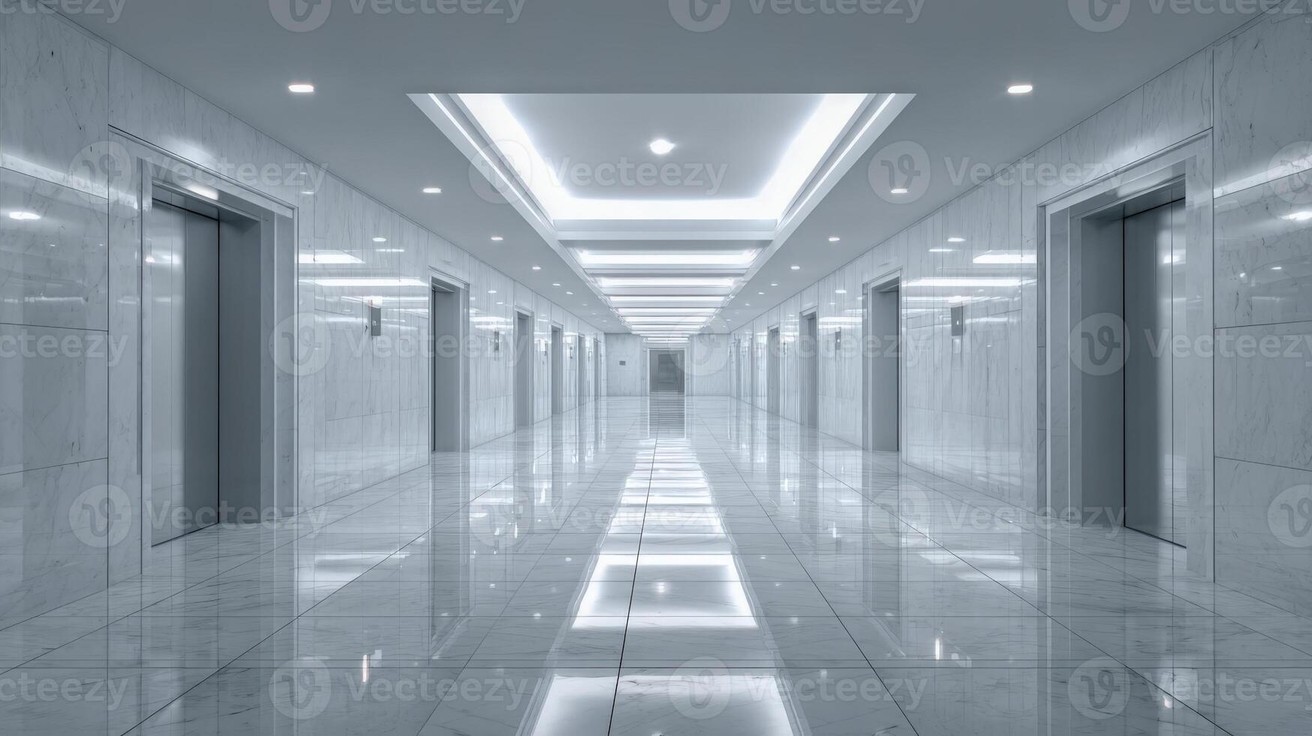
Managing pest control in office buildings presents unique challenges that residential properties simply don't face. With hundreds of employees, multiple food sources, complex HVAC systems, and constant foot traffic, commercial buildings create perfect storm conditions for pest infestations. Property managers who understand these dynamics—and implement proactive strategies—can prevent costly shutdowns, protect tenant relationships, and maintain their building's reputation.
This comprehensive guide provides actionable strategies based on real-world commercial pest management experience across Texas, Oklahoma, Louisiana, and Mississippi office complexes.
The Hidden Costs of Office Pest Problems
Before diving into solutions, it's crucial to understand what's at stake. A single pest sighting during a client meeting can damage a tenant's business reputation. Rodent contamination in break rooms can trigger health department investigations. Ant trails in reception areas signal poor building maintenance to prospective tenants.
The financial impact extends beyond immediate treatment costs:
- Tenant turnover: Pest problems are among the top reasons businesses relocate
- Legal liability: Health code violations can result in fines and lawsuits
- Emergency treatments: Reactive pest control costs 3-5 times more than preventive programs
- Reputation damage: Online reviews mentioning pest problems can deter future tenants
Ready to Get Started?
Free quote • No obligation • Same-day service available
Common Office Building Pests: Identification and Risk Factors
Rodents: The Primary Threat
Rats and mice represent the most serious pest threat in office environments. According to the CDC, rodents can transmit over 35 diseases and contaminate food surfaces through their urine, droppings, and hair. In office buildings, rodents are attracted to:
- Employee break rooms and kitchenettes
- Vending machine areas with crumb accumulation
- Storage rooms with paper products (nesting material)
- Utility rooms providing water access
- Drop ceilings offering protected travel routes
Identification signs: Droppings near baseboards, gnaw marks on furniture or cables, grease marks along walls, scratching sounds in walls or ceilings, and musky odors in enclosed spaces.
Ants: The Persistent Invaders
Ant colonies can establish satellite nests within office buildings, making elimination challenging. Common species in commercial settings include:
- Pharaoh ants: Thrive in heated buildings, particularly problematic in break rooms
- Carpenter ants: Damage wooden structures, often indicate moisture problems
- Fire ants: Outdoor colonies that send foragers inside (especially common in Texas and Oklahoma)
Cockroaches: The Contamination Risk
Commercial-grade cockroach infestations pose serious health risks. German cockroaches multiply rapidly in warm, humid environments like break rooms and server rooms. American cockroaches often enter through sewer connections and floor drains.
Flying Insects: The Visibility Problem
Flies, gnats, and other flying insects create immediate negative impressions. Drain flies breeding in floor drains, fruit flies in break rooms, and cluster flies entering through building gaps all signal maintenance issues to tenants and visitors.
Proactive Prevention Strategies
Structural Modifications and Maintenance
Seal Entry Points:
- Install door sweeps on all exterior doors (minimum 1/4-inch gap closure)
- Caulk gaps around utility penetrations
- Replace damaged weather stripping on windows and doors
- Install mesh screens over roof vents and exhaust fans
- Seal gaps where pipes enter the building
Eliminate Moisture Sources:
- Fix leaky faucets and pipes immediately
- Ensure proper drainage around the building foundation
- Install dehumidifiers in basements and storage areas
- Clean and maintain HVAC drip pans
- Address roof leaks promptly
Sanitation Protocols for Tenants
Develop and enforce building-wide sanitation standards:
| Area | Daily Requirements | Weekly Requirements |
|---|---|---|
| Break Rooms | Wipe counters, empty trash, clean spills immediately | Deep clean appliances, sanitize surfaces |
| Individual Offices | Remove food items, empty wastebaskets | Vacuum thoroughly, dust surfaces |
| Common Areas | Vacuum high-traffic areas, empty trash receptacles | Mop floors, clean baseboards |
Waste Management Best Practices
Implement strict waste management protocols:
- Use tight-fitting lids on all dumpsters
- Schedule regular waste pickup (never allow overflow)
- Locate dumpsters at least 50 feet from building entrances
- Power wash dumpster areas monthly
- Provide adequate indoor trash receptacles to prevent outdoor dumping
Monitoring and Early Detection Systems
Professional Inspection Schedules
Establish regular inspection routines focusing on high-risk areas:
- Monthly inspections: Break rooms, storage areas, utility rooms, basements
- Quarterly inspections: Roof areas, exterior perimeter, landscaping
- Seasonal inspections: HVAC systems, weather stripping, building envelope
Tenant Reporting Systems
Create efficient reporting mechanisms for pest sightings:
- Establish a dedicated pest reporting hotline or email
- Provide simple reporting forms with space for location details and photos
- Train building maintenance staff to recognize early warning signs
- Implement 24-hour response protocols for urgent situations
Treatment Strategies and Professional Partnerships
Understanding Integrated Pest Management (IPM)
Modern commercial pest control relies on Integrated Pest Management principles, which emphasize prevention, monitoring, and targeted treatment over broad pesticide applications. This approach includes:
- Prevention: Eliminating conditions that attract pests
- Monitoring: Regular inspections and tracking pest activity
- Identification: Correctly identifying pest species for targeted treatment
- Treatment: Using the least toxic effective methods
- Evaluation: Assessing treatment effectiveness and adjusting strategies
When to Call Professional Services
While property managers can handle many preventive measures, certain situations require professional intervention:
- Active rodent infestations (droppings, sightings, or damage)
- Large ant colonies or multiple entry points
- Cockroach sightings (indicating established populations)
- Flying insect swarms or breeding sites
- Recurring pest problems despite preventive efforts
Professional pest control services can provide specialized rodent control treatments that address both immediate infestations and long-term prevention.
Company History and Achievements
Romex Pest Control has been a leader in the pest management industry for over 20 years, serving clients across the southern United States. Our team is composed of certified professionals who are committed to delivering effective and reliable pest control solutions. We have received numerous awards for our innovative approaches and customer satisfaction.
Our commitment to excellence is demonstrated through our partnerships with leading industry organizations and our investment in ongoing training and development for our team members.
Frequently Asked Questions (FAQ)
What are the most common pests in office buildings?
Common pests include rodents, ants, cockroaches, and flying insects, each posing unique challenges and risks.
How often should pest control inspections be conducted?
Monthly inspections are recommended for high-risk areas, with quarterly and seasonal checks for other parts of the building.
What is Integrated Pest Management (IPM)?
IPM is a comprehensive approach that focuses on prevention, monitoring, and targeted treatment to manage pest populations effectively.
Can pest control be eco-friendly?
While "eco-friendly" is not a term we use, our methods are professional, tested, and approved to ensure safety and effectiveness.