
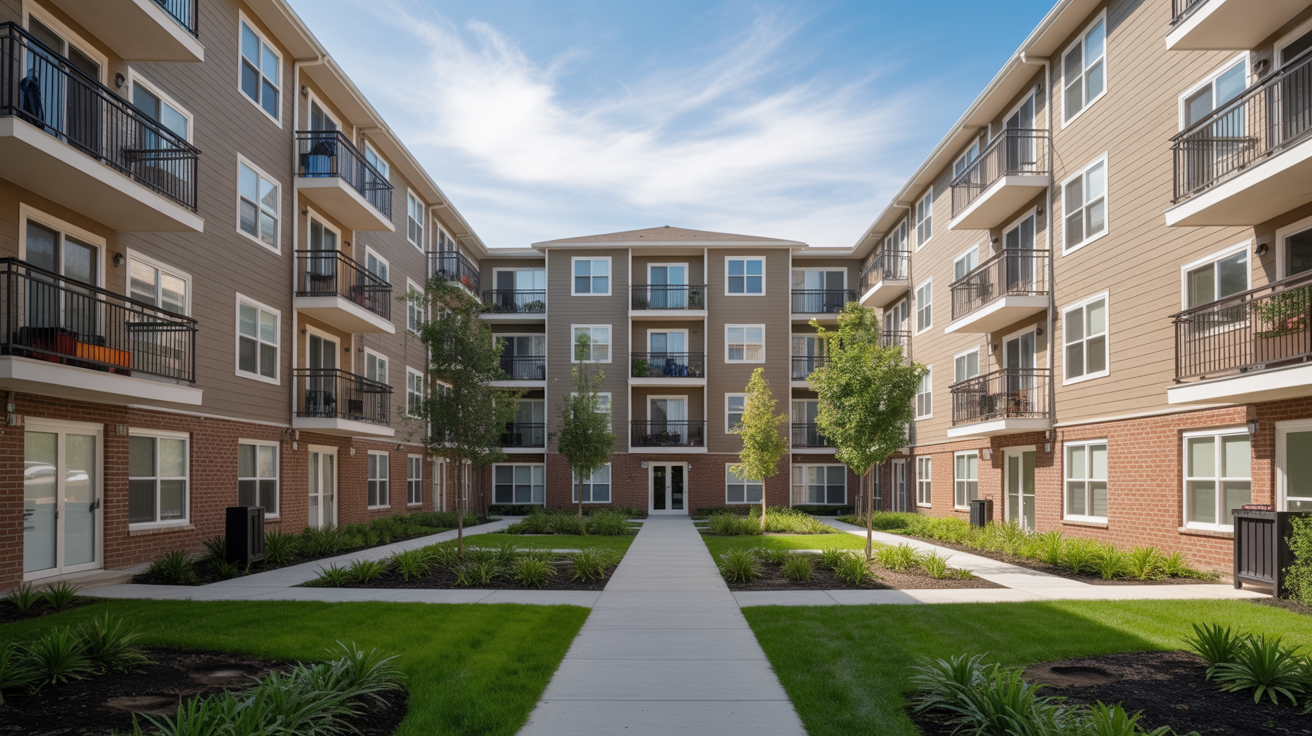
Managing pest control in multi-family housing presents unique challenges that single-family homeowners never face. When one unit gets cockroaches, bedbugs, or rodents, the entire building becomes vulnerable. A single tenant's poor sanitation habits can trigger infestations that spread through shared walls, plumbing, and electrical conduits faster than you can schedule a professional treatment.
This comprehensive guide provides property managers, landlords, and tenants with actionable strategies to prevent pest infestations and respond effectively when problems arise. You'll learn specific techniques used by professional pest control operators, understand the legal responsibilities in multi-family settings, and discover prevention methods that actually work in real-world apartment environments.
Understanding Multi-Family Pest Dynamics: Why Apartments Are Different
Multi-family housing creates perfect conditions for pest proliferation due to several interconnected factors. Unlike single-family homes, apartments share infrastructure systems that become pest highways. Cockroaches travel through wall voids between electrical outlets, mice follow plumbing lines from unit to unit, and bedbugs hitchhike on shared laundry facilities.
Common Pest Entry Points in Multi-Family Buildings
- Shared plumbing chases: Gaps around pipes allow cockroaches and mice to move freely between floors
- Electrical conduits: Wiring pathways connect every unit, providing protected travel routes
- HVAC systems: Ductwork can spread flying insects and allow pest movement
- Trash collection areas: Centralized garbage attracts pests to the building perimeter
- Package delivery areas: Cardboard boxes frequently harbor cockroach egg cases and bedbugs
- Laundry facilities: Warm, humid environments attract various pest species
Ready to Get Started?
Free quote • No obligation • Same-day service available
Legal Framework: Landlord vs. Tenant Responsibilities
Understanding pest control responsibilities prevents disputes and ensures effective treatment. Most state laws require landlords to maintain habitable conditions, but tenant behaviors significantly impact pest problems.
Landlord Responsibilities (Generally Include)
- Structural pest prevention: sealing entry points in common areas
- Professional treatment for building-wide infestations
- Maintenance of pest-attracting conditions (leaky pipes, damaged screens)
- Trash management systems that minimize pest attraction
- Pre-tenancy pest inspections and treatments
Tenant Responsibilities (Typically Include)
- Sanitation practices that don't attract pests
- Prompt reporting of pest sightings
- Cooperation during professional treatments
- Not introducing pests through personal belongings
- Basic exclusion efforts within their unit
In Texas, Oklahoma, Louisiana, and Mississippi—where Romex Pest Control operates—landlord-tenant laws vary significantly. Property managers should consult local housing authorities to understand specific requirements in their jurisdiction.
Prevention Strategies That Actually Work
Building-Level Prevention
Effective multi-family pest prevention starts with building-wide systems that address root causes rather than treating symptoms.
Structural Modifications
- Seal pipe penetrations: Use steel wool and expanding foam around all plumbing entries
- Install door sweeps: Gaps under doors should be less than 1/4 inch
- Screen ventilation openings: Use 1/4-inch hardware cloth on all exterior vents
- Caulk electrical outlets: Seal gaps around outlets in shared walls
- Install pest-resistant materials: Use metal or sealed plastic for storage areas
Waste Management Systems
Improper garbage handling is the #1 pest attractant in multi-family properties. Implement these specific protocols:
- Position dumpsters at least 50 feet from building entrances
- Install concrete pads with drainage to prevent standing water
- Require tight-fitting lids and weekly cleaning schedules
- Provide adequate receptacles to prevent overflow
- Consider bear-resistant containers in rural areas
| Pest Type | Primary Attractant | Prevention Method |
|---|---|---|
| Cockroaches | Food debris, moisture | Daily cleaning, fix leaks within 24 hours |
| Rodents | Food sources, nesting sites | Remove clutter, seal openings > 1/4 inch |
| Ants | Sugar sources, pet food | Airtight storage, clean spills immediately |
| Flies | Organic waste, standing water | Proper drainage, sealed garbage |
Unit-Level Prevention for Tenants
Even the most proactive property management can't prevent infestations without tenant cooperation. These specific actions help tenants protect their units:
Kitchen and Food Storage
- Store dry goods in airtight containers: Transfer cereals, flour, and pet food to sealed plastic or glass containers within 24 hours of purchase
- Clean appliances weekly: Remove crumbs from toaster trays, clean under refrigerators monthly
- Manage moisture: Run exhaust fans during cooking, fix dripping faucets immediately
- Empty trash daily: Don't let garbage accumulate overnight
Bathroom Maintenance
- Fix leaky pipes within 48 hours—cockroaches need only small amounts of water
- Use bathroom fans to reduce humidity below 50%
- Seal gaps around plumbing fixtures with silicone caulk
- Keep drains clean and consider monthly enzyme treatments
Early Detection: Monitoring Systems That Work
Professional pest control operators use specific monitoring techniques that property managers can implement building-wide.
Cockroach Monitoring
- Sticky traps in key locations: Place monitors under sinks, behind appliances, and near water sources
- Weekly inspection schedules: Check traps every 7 days, document findings
- Tenant reporting systems: Provide clear channels for pest sightings
- Professional inspections: Quarterly building-wide assessments
Rodent Detection
Mice and rats leave specific signs that trained property managers can identify:
- Droppings: Fresh droppings are dark and moist; old droppings are gray and crumbly
- Gnaw marks: Fresh gnawing shows light-colored wood; old damage is dark
- Grease marks: Dark smudges along walls where rodents travel
- Sounds: Scratching in walls, especially at dawn and dusk
Treatment Strategies for Active Infestations
Coordinated Building-Wide Approach
Successful multi-family pest treatment requires coordination across all units, even those not showing visible infestations. Pests simply move to untreated areas, creating ongoing problems.
Professional Treatment Protocols
- Simultaneous treatment: Treat all connected units on the same day
- Multiple visit schedules: Most infestations require 2-3 treatments spaced 10-14 days apart
- Tenant preparation requirements: Specific cleaning and preparation protocols
- Follow-up monitoring: Post-treatment inspections to verify elimination
Integrated Pest Management (IPM) Principles
Modern pest control emphasizes prevention and targeted treatments rather than routine pesticide applications. IPM strategies include:
- Habitat modification to make environments less suitable for pests
- Exclusion techniques to prevent pest entry
- Targeted treatments using minimal pesticide amounts
Case Studies and Testimonials
At Romex Pest Control, we pride ourselves on delivering effective pest management solutions. Here are some testimonials from our satisfied clients:
"Romex Pest Control helped us manage a severe cockroach infestation in our apartment complex. Their team was professional and thorough, ensuring all units were treated simultaneously. Highly recommend!" - John D., Property Manager, Dallas, TX
"The technicians at Romex are top-notch. They identified the source of our rodent problem and implemented a plan that worked. We haven't seen a mouse since!" - Sarah L., Tenant, Baton Rouge, LA
Frequently Asked Questions
What are the most common pests in multi-family housing?
Cockroaches, rodents, bedbugs, and ants are the most common pests found in multi-family housing. Each requires specific prevention and treatment strategies.
How often should pest control treatments be scheduled?
For effective management, quarterly inspections and treatments are recommended, with additional treatments as needed based on pest activity.
What should tenants do to prepare for pest control treatments?
Tenants should follow specific preparation guidelines provided by the pest control company, which may include cleaning, decluttering, and ensuring access to all areas of the unit.