
Spring Pest Prevention: Texas Homeowner Guide
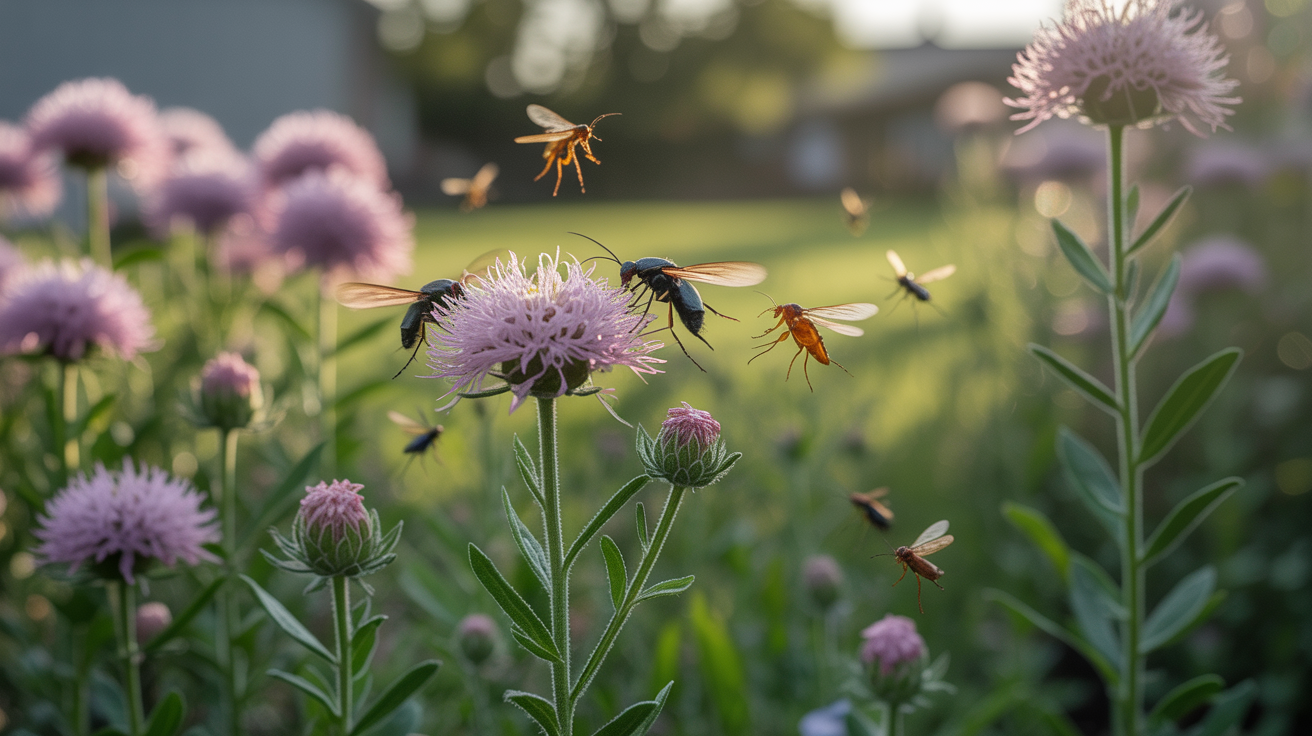
Spring in Texas heralds the arrival of wildflowers and warm weather, but it also brings a surge in pest activity. As temperatures rise and rainfall increases, homeowners in the DFW, Austin, San Antonio, and Tyler regions face a predictable invasion of insects and rodents emerging from winter dormancy. Understanding the specific timing and biology of these pests gives you a critical advantage in preventing infestations before they establish.
Ready to Get Started?
Free quote • No obligation • Same-day service available
Understanding Texas Spring Pest Emergence Patterns
Texas's diverse climate zones create unique pest pressure patterns. In South Texas (San Antonio region), pest activity begins as early as February when soil temperatures reach 50°F. Central Texas (Austin area) sees peak emergence in March, while North Texas (DFW) experiences the main surge in April. This staggered timeline is driven by accumulated degree days—a measurement pest control professionals use to predict insect development.
Temperature-Driven Pest Activity
Most insects require specific temperature thresholds to become active. Fire ants begin foraging when soil temperatures exceed 60°F, typically occurring in late February in southern Texas. Termite swarmers emerge when air temperatures reach 70°F for three consecutive days after rainfall—conditions commonly met in March and April across most of Texas.
Priority Pests for Texas Spring Prevention
Fire Ants: The Early Risers
Fire ants are among the first pests to become active in Texas spring. These aggressive insects begin expanding their colonies when soil temperatures warm, often catching homeowners off-guard. Fire ant mounds become visible 2-3 weeks after increased activity begins underground.
Immediate Action Steps:
- Inspect your property weekly starting in February (South Texas) or March (Central/North Texas)
- Look for small soil disturbances before full mounds develop
- Apply granular bait treatments during 70-85°F weather when ants are actively foraging
- Never use liquid treatments on mounds—this disperses the colony without eliminating the queen
Termites: Swarming Season Preparation
Subterranean termites pose the greatest structural threat to Texas homes, causing over $2 billion in damage annually according to Texas A&M AgriLife Extension. Swarming typically occurs from March through May, with peak activity following spring rain events.
Prevention Strategies:
- Remove wood-to-soil contact around your home's foundation
- Eliminate moisture sources: fix leaky faucets, improve drainage, clean gutters
- Store firewood at least 20 feet from your home and 5 inches off the ground
- Seal cracks in foundation walls with appropriate caulking materials
| Region | Peak Swarming Period | Key Trigger |
|---|---|---|
| South Texas | March 1-31 | First warm rain after 70°F |
| Central Texas | March 15 - April 15 | Sustained warm weather + moisture |
| North Texas | April 1 - May 15 | Spring rain following warm days |
Mosquitoes: Standing Water Management
Texas's spring rainfall creates ideal mosquito breeding conditions. Female mosquitoes can detect water from over 100 feet away and will lay eggs in containers holding as little as one tablespoon of water. Aedes aegypti, the yellow fever mosquito common in Texas, can complete its life cycle in just 7 days under optimal spring conditions.
Weekly Water Elimination Checklist:
- Empty plant saucers, pet bowls, and decorative containers
- Clean clogged gutters and downspouts
- Drill drainage holes in tire swings and outdoor equipment
- Change birdbath water every 3-4 days
- Inspect for hidden water sources: under deck areas, inside equipment covers
Rodent Spring Activity Patterns
As spring vegetation emerges, rodents become more active in seeking new nesting sites and food sources. Roof rats, common in Texas urban areas, begin increased movement in March as they search for nesting materials. House mice can produce 6-10 litters per year, with spring marking the beginning of their most productive breeding season.
Exclusion Techniques That Actually Work
Most homeowners underestimate rodent entry capabilities. Mice can squeeze through openings the size of a dime (6mm), while rats need only a quarter-sized gap (19mm). Professional-grade exclusion requires attention to details most DIY efforts miss.
Critical Exclusion Points:
- Seal gaps around utility penetrations with copper mesh and expanding foam
- Install door sweeps with no more than 1/4 inch clearance
- Screen attic vents with 1/4 inch hardware cloth
- Trim tree branches to 6 feet from roof lines
- Remove vegetation within 2 feet of foundation walls
Regional Considerations Across Texas
East Texas (Tyler Region): Moisture Management
Higher humidity and rainfall in East Texas create extended pest seasons and increased fungal issues that attract insects. Springtails and millipedes become particularly problematic as they seek moisture around foundations.
South Texas: Year-Round Pressure
San Antonio and surrounding areas experience minimal winter pest reduction, meaning spring prevention must account for already-established populations rather than preventing emergence.
Central Texas: Rapid Temperature Swings
Austin's variable spring weather creates unpredictable pest emergence patterns. Homeowners should monitor 7-day weather forecasts and time prevention treatments accordingly.
North Texas: Late but Intense Activity
DFW's later spring means compressed pest emergence windows, requiring more intensive prevention efforts over shorter timeframes.
When Professional Intervention Becomes Necessary
Certain pest situations exceed DIY capabilities and require professional assessment. Integrated Pest Management principles emphasize using the least toxic methods first, but some scenarios demand immediate professional intervention.
Call for professional help when:
- You discover active termite swarmers or mud tubes
- Fire ant colonies exceed 10 mounds or occur near high-traffic areas
- Rodent droppings appear in multiple interior locations
- Previous DIY treatments have failed after 2-3 attempts
- You're dealing with stinging insects near entry points
Professional pest control services have access to materials and application methods not available to consumers, plus the training to identify pest species accurately and select appropriate treatment timing.
Building Long-Term Pest Resilience
Effective spring pest prevention extends beyond immediate treatments to creating conditions that discourage pest establishment year-round. This approach, rooted in environmental modification, provides sustainable results without continuous chemical inputs.
Landscape Modifications
Strategic landscaping choices significantly impact pest pressure. Native Texas plants like lantana and esperanza attract beneficial insects that prey on pest species. Conversely, certain plants like hibiscus and roses attract aphids and other problem insects.
Structural Maintenance Schedule
Implement a quarterly inspection routine focusing on potential pest entry points and conducive conditions. Spring inspections should emphasize moisture sources and vegetation management, while fall inspections focus on exclusion as pests seek overwintering sites.
Company History and Expertise
Romex Pest Control has been serving Texas homeowners for over 20 years, providing expert pest management solutions tailored to the unique challenges of the region. Our team of certified professionals is dedicated to using tested and approved methods to ensure your home remains pest-free year-round.
Our commitment to excellence is backed by our partnerships with leading research institutions, including Texas A&M AgriLife Extension, ensuring our methods are informed by the latest scientific findings.
Frequently Asked Questions
What are the most common pests in Texas during spring?
Common pests include fire ants, termites, mosquitoes, and rodents. Each requires different prevention strategies based on their biology and behavior.
How can I prevent termite damage?
Regular inspections, moisture control, and removing wood-to-soil contact are key strategies. Professional assessments can provide tailored solutions.
Are professional pest control services worth it?
Yes, professionals have access to advanced materials and methods not available to consumers, ensuring more effective and lasting results.