
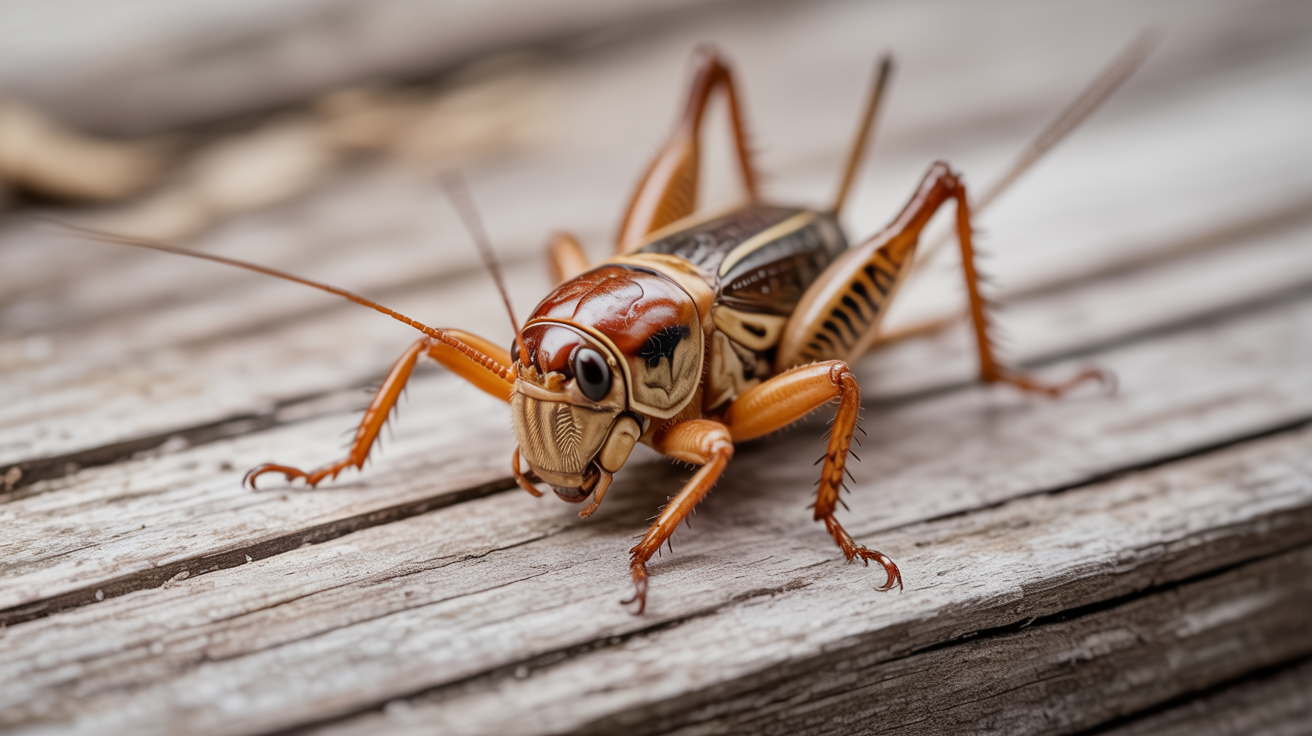
Understanding Cricket Infestations in the South
Cricket problems are particularly intense across Texas, Oklahoma, Louisiana, and Mississippi due to unique climate patterns. High humidity, extended warm seasons, and frequent temperature fluctuations create perfect breeding conditions for multiple cricket species. According to the Texas A&M AgriLife Extension, our mild winters allow overwintering populations to survive, creating earlier and larger spring emergences.
Ready to Get Started?
Free quote • No obligation • Same-day service available
The Real Damage: Beyond the Chirping
While many homeowners focus on the noise factor, cricket infestations cause several types of damage that often go unnoticed until they become severe:
Fabric and Material Destruction
Crickets are omnivorous scavengers with surprisingly strong mandibles. They actively seek out natural fibers, particularly cotton, wool, and silk. In our experience across the DFW, Austin, and New Orleans areas, we've documented cricket damage to:
- Stored clothing in closets and basements
- Upholstered furniture, especially in humid basements
- Paper products, including books and important documents
- Wallpaper and fabric wall coverings
- Pet food and stored pantry items
Plant and Garden Impact
Field crickets can devastate young plants and seedlings. They're particularly attracted to tender shoots and can destroy entire vegetable gardens overnight during peak population periods in late summer.
Secondary Pest Attraction
Dead crickets and cricket waste attract other pests, including ants, cockroaches, and even mice. This creates cascading infestations that are far more difficult to control than the original cricket problem.
Species Identification: Know Your Enemy
Effective cricket control starts with proper identification. Each species has different behaviors, preferred habitats, and vulnerabilities:
| Species | Size | Color | Primary Habitat | Peak Activity |
|---|---|---|---|---|
| House Cricket | 3/4 inch | Light brown | Warm indoor areas | Night, year-round |
| Field Cricket | 1 inch | Dark brown/black | Outdoor, migrates inside | Late summer/fall |
| Camel Cricket | 1/2-1 inch | Light brown | Basements, crawl spaces | Night, humid conditions |
| Mole Cricket | 1-2 inches | Brown | Lawn/soil | Spring emergence |
Immediate Action Plan: What to Do Today
When you discover cricket activity, these steps can provide immediate relief while you develop a long-term strategy:
Emergency Noise Reduction
If chirping is keeping your family awake, focus on male crickets (only males chirp). They're typically found in warm, hidden areas near heat sources:
- Check behind water heaters, furnaces, and refrigerators
- Examine areas where pipes enter walls
- Look under appliances and in utility rooms
- Use a flashlight – crickets often stop chirping when disturbed
Immediate Population Reduction
Create simple but effective traps using materials you likely have at home:
Molasses Trap: Mix 1 part molasses with 10 parts water in shallow dishes. Place near cricket activity areas. The sweet smell attracts crickets, and the sticky consistency traps them.
Beer Trap: Bury shallow containers so the rim is level with the ground. Fill with beer. Crickets are attracted to the yeast and drown.
Cardboard Shelter Trap: Place corrugated cardboard strips in areas with cricket activity. Check and dispose of crickets hiding in the corrugations each morning.
Long-Term Prevention: Addressing Root Causes
Moisture Management
Since crickets require high humidity to survive, moisture control is your most powerful prevention tool:
- Basement Dehumidification: Maintain humidity below 50% using dehumidifiers
- Ventilation Improvement: Install exhaust fans in bathrooms, laundry rooms, and kitchens
- Drainage Correction: Fix any areas where water pools near your foundation
- Plumbing Leaks: Repair even minor leaks immediately
Structural Modifications
Based on Texas A&M AgriLife Extension research, these modifications significantly reduce cricket entry points:
- Door Sweeps: Install on all exterior doors, ensuring no gaps
- Window Screening: Repair or replace damaged screens
- Foundation Sealing: Use caulk or expanding foam on cracks larger than 1/16 inch
- Vegetation Management: Keep plants at least 2 feet from your foundation
Regional Timing: When to Take Action
Cricket activity patterns vary significantly across our service regions, and timing your prevention efforts correctly can dramatically improve results:
Texas (DFW, Austin, San Antonio, Tyler)
Peak activity occurs in two waves: late May through June (first generation) and August through September (second generation). Begin prevention efforts in early April and again in mid-July.
Oklahoma (OKC, Tulsa, Edmond)
Single major peak in late August through September as field crickets seek overwintering sites. Start intensive prevention in early August.
Louisiana (Slidell, New Orleans area)
Extended season from April through November due to high humidity. Maintain consistent prevention efforts throughout the warm season.
Mississippi (Gulf Coast)
Similar to Louisiana, with additional pressure from house crickets that remain active year-round in heated buildings.
Natural vs. Chemical Control: Making the Right Choice
When Natural Methods Work
Natural cricket control can be effective for small populations and prevention:
- Diatomaceous Earth: Food-grade DE around entry points damages cricket exoskeletons
- Essential Oils: Peppermint and eucalyptus oils repel crickets when applied to cotton balls near entry points
- Beneficial Nematodes: For mole crickets in lawns, these microscopic worms attack cricket larvae in soil
When Professional Intervention is Necessary
Consider professional cricket control when:
- Multiple species are present
- Damage to clothing or materials is occurring
- Natural methods haven't reduced populations after 2-3 weeks
- Crickets are entering through unknown entry points
- The infestation covers multiple rooms or outdoor areas
Common Mistakes That Make Cricket Problems Worse
After working with hundreds of cricket-affected homes across the South, we've identified several mistakes that actually increase cricket populations:
Over-Lighting Outdoor Areas
Bright outdoor lights attract crickets from considerable distances. Switch to yellow "bug lights" or sodium vapor bulbs, which are less attractive to insects.
Inconsistent Treatment
Treating only areas where you see crickets ignores their breeding sites. Focus equal attention on potential egg-laying areas: mulched beds, compost piles, and areas with organic debris.
Ignoring Seasonal Patterns
Many homeowners react to cricket problems instead of preventing them. Understanding your region's cricket calendar allows you to take action before populations peak.
Customer Satisfaction and Feedback
FAQ: Common Questions About Cricket Control
- What attracts crickets to my home?
- Crickets are attracted to warm, moist environments and are often drawn to homes by outdoor lighting and food sources.
- How can I prevent crickets from entering my home?
- Seal entry points, manage moisture levels, and reduce outdoor lighting to minimize cricket attraction.
- What precautions should I take with my pets?
- Our service is built for homes with kids & pets. Licensed technicians use EPA-registered products applied according to label directions, and walk you through product-specific precautions.