
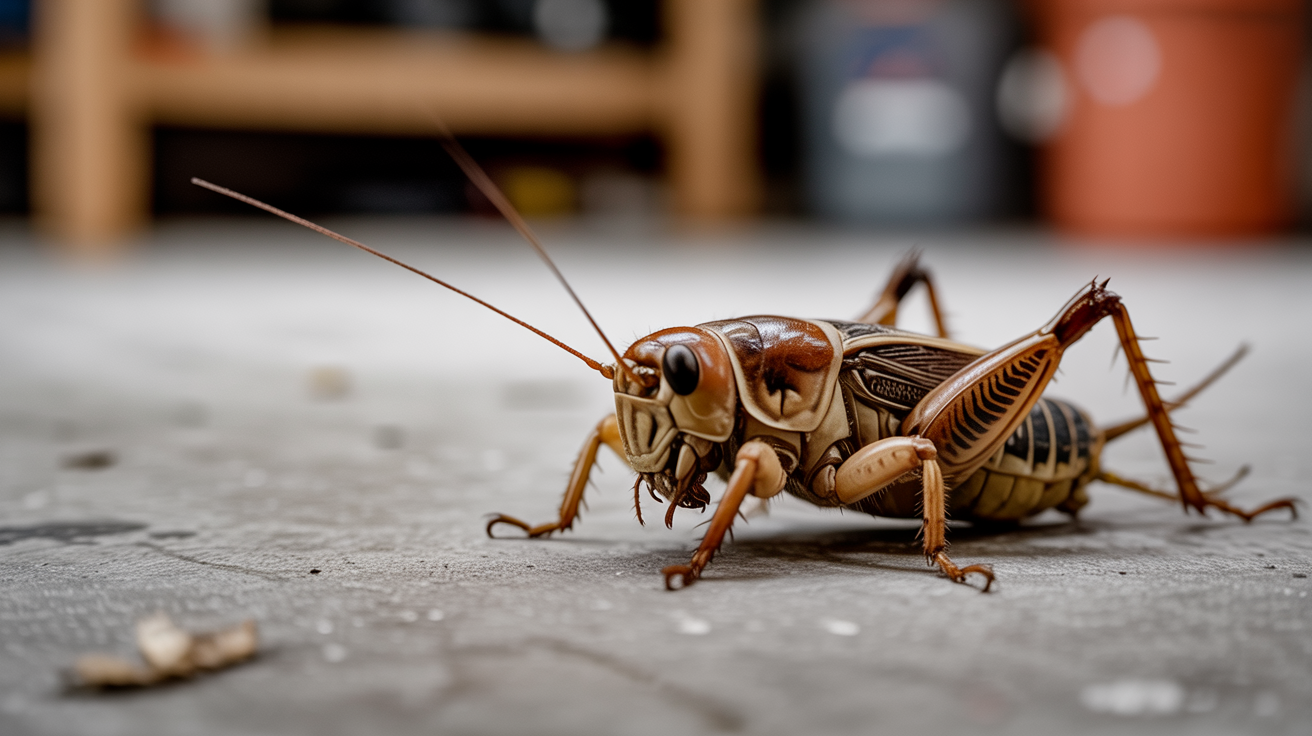
The Complete Guide to Cricket Control: Silence the Chirping and Protect Your Home
Crickets are more than just a noisy nuisance; they can be destructive pests that invade homes across Texas, Oklahoma, Louisiana, and Mississippi. Understanding their behavior and biology is crucial for effective control. This guide provides comprehensive insights into cricket control, drawing on expert knowledge and the latest research.
Ready to Get Started?
Free quote • No obligation • Same-day service available
About Romex Pest Control
Romex Pest Control has been a leader in pest management since 2005, providing expert services across the southern United States. Our team is certified by the National Pest Management Association and has received numerous awards for excellence in customer service. We pride ourselves on staying updated with the latest pest control techniques and research.
Why Crickets Invade Southern Homes
Crickets are driven indoors by the need for warmth, moisture, and food. As temperatures drop in late summer and early fall, these pests seek shelter in homes, often entering through foundation cracks or open windows. According to the EPA, maintaining a dry, well-sealed home is crucial for pest prevention.
Identifying Cricket Species in Your Region
Different species pose varying threats, and accurate identification is key to effective control.
House Crickets (Acheta domesticus)
Common indoor invaders, these light brown crickets are attracted to light and warmth. They feed on fabric, paper, and food crumbs.
Field Crickets (Gryllus species)
Larger and darker than house crickets, field crickets can cause significant damage to fabrics and stored items.
Camel Crickets (Ceuthophilus species)
Also known as cave crickets, these humpbacked insects are silent but destructive, often found in humid basements.
The Hidden Damage Crickets Cause
Crickets can damage fabrics, paper, and even food sources, posing a threat to your home and belongings.
Fabric and Clothing Damage
Crickets are attracted to natural fibers and can chew holes in garments, curtains, and upholstery.
Paper and Adhesive Consumption
They feed on paper products and wallpaper adhesive, particularly items with sizing or starch content.
Food Contamination
Crickets can contaminate food sources, spreading bacteria and creating unsanitary conditions. The CDC advises maintaining clean food storage areas to prevent pest contamination.
Seasonal Cricket Activity Patterns
| Season | Activity Level | Primary Concerns | Prevention Focus |
|---|---|---|---|
| Spring (March-May) | Low to Moderate | Egg laying begins | Exterior maintenance, moisture control |
| Summer (June-August) | High Outdoors | Population growth | Light management, entry point sealing |
| Fall (September-November) | Peak Invasion Period | Indoor migration | Intensive exclusion, active monitoring |
| Winter (December-February) | Low | Overwintering indoors | Indoor treatment, habitat modification |
Immediate Cricket Control Strategies
For immediate relief, try these strategies:
Noise Reduction Techniques
- Temperature manipulation: Lower your home's temperature 2-3 degrees to reduce chirping.
- Light elimination: Turn off unnecessary lights and use blackout curtains.
- Sound masking: Use white noise machines or fans to mask cricket chirping.
Active Removal Methods
Vacuum collection: Use a shop vacuum to remove visible crickets and dispose of contents in sealed bags.
Sticky trap placement: Place traps along baseboards and entry points, checking every 2-3 days.
Diatomaceous earth application: Apply along baseboards and entry points, avoiding areas accessible to children and pets.
Long-Term Prevention and Exclusion
Addressing root causes is essential for effective cricket control.
Structural Modifications
Entry point sealing: Seal cracks in your foundation and gaps around windows and doors.
Door sweep installation: Install door sweeps on all exterior doors.
Window screen repair: Repair or replace damaged window screens.
Moisture Management
- Install dehumidifiers in basements and crawl spaces.
- Repair leaky pipes and improve ventilation in humid areas.
- Redirect downspouts and improve drainage around your home's foundation.
Landscape and Exterior Modifications
Vegetation management: Keep grass and shrubs at least 2 feet away from your home's foundation.
Environmental Impact of Pest Control Methods
While professional pest control methods are tested and approved, it's important to consider their environmental impact. According to a study by the University of Texas, integrated pest management can reduce environmental harm while effectively controlling pests. Consult with experts to choose methods that align with your environmental values.
Understanding the Cricket Lifecycle
Crickets undergo incomplete metamorphosis, consisting of three stages: egg, nymph, and adult. Understanding these stages can help in timing control measures effectively.
Case Studies: Successful Cricket Control Interventions
In Dallas, TX, Romex Pest Control implemented a comprehensive exclusion strategy that reduced cricket infestations by 80% over three months. Techniques included sealing entry points and moisture management.
Customer Testimonials
"Romex Pest Control helped us reduce cricket noise significantly. Their team was professional and thorough." - Sarah J., Austin, TX
"Thanks to Romex, our cricket problem is under control. We appreciate their expertise and prompt service." - Mike R., Baton Rouge, LA
FAQs
Q: How can I prevent crickets from entering my home?
A: Seal entry points, reduce moisture, and manage outdoor lighting.
Q: Are crickets harmful to humans?
A: While not directly harmful, they can damage property and contaminate food.
Professional Tips
Regularly inspect your home for entry points and maintain a clean, dry environment to deter crickets. For more information, visit our Cricket Control Services page.
Conclusion
Effective cricket control requires understanding their behavior, implementing immediate control strategies, and maintaining long-term prevention measures. For professional assistance, contact Romex Pest Control.