
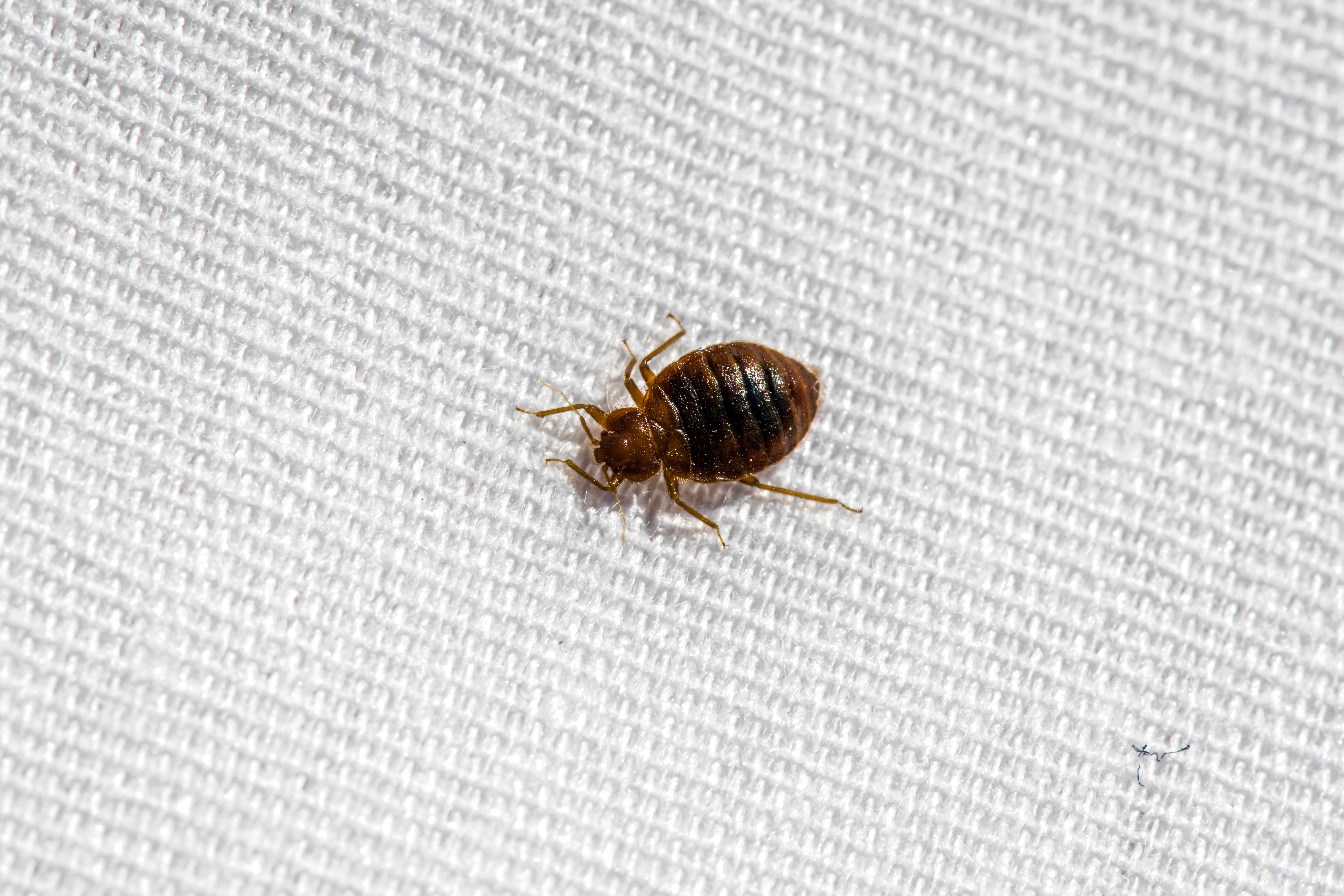
Bed bugs are back, and they're spreading faster than ever across the southern United States. These resilient parasites don't discriminate between clean homes and cluttered ones, luxury hotels and budget motels, or urban apartments and suburban houses. If you've woken up with itchy welts or spotted tiny blood stains on your sheets, you're not alone. Texas, Oklahoma, Louisiana, and Mississippi have all seen sharp increases in bed bug reports over the past two years, with infestations climbing in both residential and commercial properties. The good news? Early detection and the right treatment approach can eliminate even severe infestations. This guide walks you through everything you need to know about identifying, treating, and preventing bed bugs in 2026.
Key Takeaways
Bed bug infestations across Texas, Oklahoma, Louisiana, and Mississippi are surging due to warm climates, travel hubs, pesticide resistance, and multi-family housing density.
Early identification using visual cues like bite patterns, fecal spots, shed skins, and live bugs near mattress seams and baseboards is critical for effective pest control and bed bugs treatment.
Professional bed bug treatment achieves 95–100% elimination within 2–3 visits using non-repellent insecticides, heat treatments up to 145°F, and insect growth regulators, far outperforming DIY methods.
Prevention strategies including hotel room inspections, quarantining second-hand furniture, mattress encasements, and regular monthly inspections are more cost-effective than treating established infestations.
A thorough professional inspection, including canine detection teams and passive monitoring tools, provides the foundation for targeted treatment and comes with guaranteed warranties of 30–90 days.
Ready to Get Started?
Free quote • No obligation • Same-day service available
Why Bed Bugs Are a Growing Concern Across Texas, Oklahoma, Louisiana, and Mississippi
Bed bug cases have surged throughout the South, driven by increased travel, second-hand furniture sales, and growing pesticide resistance. Major metros like Dallas, Houston, Austin, Oklahoma City, New Orleans, and Jackson have all reported significant upticks in service calls since 2024.
Several factors fuel this rise:
Climate advantage: Warm, humid conditions in the South allow bed bugs to reproduce year-round. Females lay 200–250 eggs over their lifetime, and nymphs mature in as little as five weeks when temperatures stay above 70°F.
Travel hubs: DFW International, George Bush Intercontinental, and Louis Armstrong New Orleans International see millions of passengers annually. Bed bugs hitch rides in luggage, spreading from hotels to homes within hours.
Resistance evolution: Traditional pyrethroids, once the gold standard, now fail against many southern populations. University entomologists have documented resistance genes in up to 90% of Texas bed bug samples (source: University of Texas Entomology Department).
Multi-family density: Apartment complexes and condos in metro areas create interconnected pathways. One infested unit can seed neighbors through wall voids, shared laundry facilities, and electrical conduits.
The economic toll is real. Homeowners spend an average of $1,000–$2,500 for professional treatment, while hotels face reputational damage and potential lawsuits. Early intervention is critical, catching an infestation at 10–20 bugs is far simpler than tackling thousands spread across multiple rooms.
How to Identify a Bed Bug Infestation in Your Home
Spotting bed bugs early saves time, money, and stress. These nocturnal feeders hide during the day, so you'll need to look for indirect signs as well as the insects themselves.
Physical Evidence
Bite patterns: Clusters or lines of red, itchy welts on exposed skin (arms, shoulders, neck). Bites often appear in groups of three, the "breakfast, lunch, dinner" pattern, but reactions vary: some people show no marks at all.
Fecal spots: Tiny black or rust-colored dots on mattress seams, box springs, and bed frames. These stains are digested blood and will smear if rubbed with a damp cloth.
Shed skins: Translucent, shell-like exoskeletons near hiding spots. Nymphs molt five times before reaching adulthood, leaving behind papery casings.
Blood smears: Small reddish stains on sheets or pillowcases from crushed bugs during the night.
Live bugs: Adult bed bugs are about 4–5 mm long (apple seed size), flat, oval, and reddish-brown. Nymphs are smaller, translucent, and harder to see.
Where to Search
Bed bugs cluster close to their food source, you. Prioritize these zones:
Mattress piping, seams, and tags
Box spring corners and underside fabric
Bed frame joints, cracks, and screw holes
Nightstands, especially drawer joints
Baseboards and electrical outlets within 10 feet of the bed
Upholstered furniture seams and cushion zippers
Behind wall art and peeling wallpaper
Professional Tip: Use a flashlight and credit card to pry open seams. Bed bugs often wedge into crevices narrower than a business card. If you find one bug, assume more are present, infestations rarely consist of a single individual.
DIY vs. Professional Bed Bug Control: What Actually Works
When you discover bed bugs, the instinct to tackle the problem yourself is strong. But effectiveness varies widely, and mistakes can make infestations worse.
DIY Approaches: Limited Success
Heat treatment (small-scale): Washing bedding and clothing in hot water (130°F+) for 30 minutes kills all life stages. Dryers on high heat for 30 minutes work for items that can't be washed. This helps but won't eliminate bugs hiding in furniture or walls.
Vacuuming: Removes surface bugs and eggs from mattresses and carpets. Empty the vacuum immediately into a sealed bag and dispose of it outside. Vacuuming alone won't reach deep harborage sites.
Mattress encasements: Zippered, bed-bug-proof covers trap bugs inside, starving them over 12–18 months. Useful for containment but doesn't address bugs elsewhere in the room.
Store-bought sprays: Most retail products use pyrethroids, which southern bed bug populations resist. They may scatter bugs to new areas, a phenomenon called "secondary spread."
Diatomaceous earth: A desiccant powder that damages bug exoskeletons. Apply thin layers in cracks and along baseboards. Results take weeks and require careful, sustained application.
Why Professional Treatment Wins
Professional bed bug treatment near me typically achieves 95–100% elimination within 2–3 visits, compared to 30–50% success for DIY efforts. Pros bring:
Advanced chemistry: Access to non-repellent insecticides, insect growth regulators, and desiccants unavailable to consumers.
Structural heat: Whole-room or whole-home heat treatments raise ambient temperature to 135°F+ for several hours, penetrating walls, furniture, and electronics to kill bugs at all stages.
Canine detection: Trained dogs identify infestations with 95%+ accuracy, pinpointing hidden colonies DIY methods miss.
Follow-up protocols: Scheduled retreatments catch newly hatched nymphs, breaking the reproductive cycle.
Attempting DIY on a moderate or severe infestation often prolongs suffering and spreads bugs to additional rooms. For light, localized cases caught within days, limited DIY measures (heat laundry, vacuum, encasements) combined with professional consultation can work. Beyond that, call in the experts.
Professional Bed Bug Treatment Options Explained
Licensed exterminators deploy multiple treatment modalities, often in combination, to ensure complete eradication.
Chemical Treatments
Liquid residuals: Non-repellent insecticides (e.g., chlorfenapyr, bifenthrin) applied to cracks, crevices, bed frames, and baseboards. Bugs contact the chemical and carry it back to harborage sites, spreading lethality through the colony. Treatments typically require two applications 10–14 days apart to catch emerging nymphs.
Dust formulations: Desiccant dusts (silica gel, diatomaceous earth) installed in wall voids, outlets, and under baseboards. These provide long-term residual protection, up to a year, because they physically abrade the insect's waxy cuticle, causing dehydration.
Insect growth regulators (IGRs): Disrupt molting and reproduction, preventing nymphs from maturing. IGRs don't kill adults quickly but reduce population growth over weeks.
Thermal Remediation
Whole-structure or targeted heat treatments elevate room temperatures to 135–145°F for 4–8 hours. Specialized heaters and fans ensure even distribution. Heat penetrates mattresses, furniture, and wall voids, killing bugs and eggs on contact. This method is chemical-free, making it ideal for sensitive populations (infants, asthmatics) and for bed bug treatment near me.
FAQ: Common Bed Bug Concerns
What should I do if I suspect a bed bug infestation?
Immediately inspect your sleeping area for signs of bed bugs. Consider contacting a professional for a thorough inspection and treatment plan.
How can I prevent bed bug infestations?
Regularly inspect hotel rooms, quarantine second-hand furniture, and use mattress encasements. Monthly inspections can prevent larger infestations.
Are bed bugs dangerous?
While bed bugs are not known to transmit diseases, their bites can cause allergic reactions and significant discomfort.
Did You Know?
Bed bugs can survive for several months without feeding, making them particularly resilient pests. (Source: CDC)
Author Information
Ella Hansen is a pest control marketing specialist at Romex Pest Control who leverages in-house expertise and external industry resources to deliver actionable pest management content. She collaborates with entomologists and pest control professionals to ensure accurate and effective advice.