
Ready to Get Started?
Free quote • No obligation • Same-day service available
Understanding the Threat: Rodent Entry Points
Did you know that a mouse can squeeze through a gap as small as the width of a pencil? A rat needs only about the diameter of a quarter. This means that the average home has dozens of potential rodent entry points—most of them invisible to homeowners until it’s too late. According to the CDC, rodents can spread over 35 diseases, including hantavirus and leptospirosis, making rodent exclusion a critical health measure.
Effective Rodent Control: The Romex Approach
Effective rodent control starts with exclusion: physically blocking the paths rodents use to enter your home. While some of this work requires professional materials and expertise, your daily habits also play a critical role in keeping rodents out. Our approach is informed by guidelines from the National Pest Management Association (NPMA) and the Environmental Protection Agency (EPA).
What Romex Seals
Romex Pest Control has over 15 years of experience in rodent exclusion and control across Texas, Louisiana, Oklahoma, and Mississippi. Our technicians are trained in advanced pest exclusion techniques, certified by the NPMA, and equipped with commercial-grade materials that rodents can’t chew through. Here’s what we seal during a professional service:
AC Line Penetrations
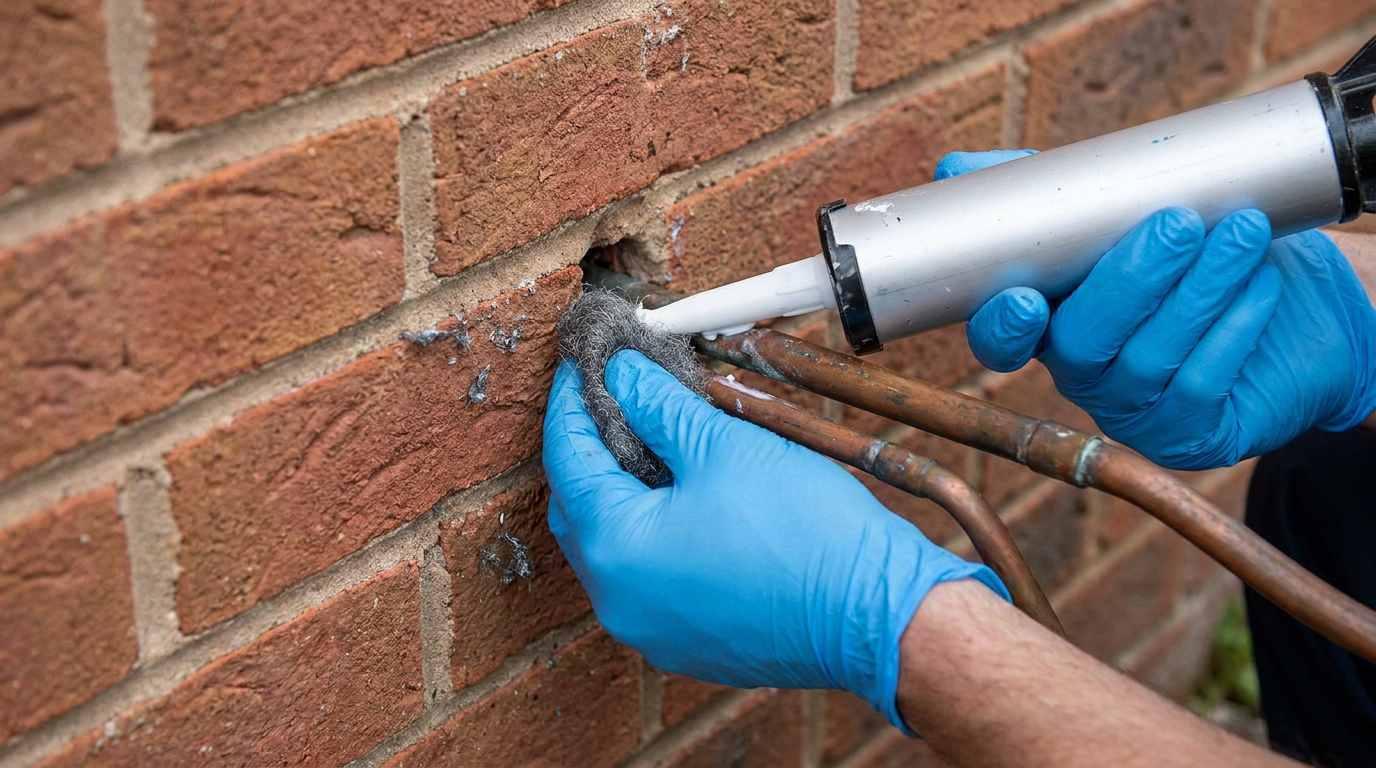
The copper refrigerant lines connecting your outdoor condenser to the indoor air handler pass through the exterior wall. This gap is one of the most common rodent entry points in Southern homes. Romex technicians seal these penetrations using a combination of steel wool (which rodents can’t gnaw through) and professional-grade sealant.
Plumbing and Electrical Penetrations
Every pipe, cable, and conduit entering your home creates a potential gap. Romex inspects all exterior penetrations and seals them with appropriate materials, such as expanding foam for larger voids and steel mesh with caulk for smaller gaps. These materials are tested and approved for long-term durability.
Garage Door Seals
The garage door sealant service addresses the bottom rubber, side tracks, and top rail of your garage door. Garages are the number-one rodent entry point in Southern homes, and even a barely visible gap can serve as an open invitation for mice.
Weep Holes
Weep hole screens installed in brick veneer block rodent entry while preserving the drainage function intended by the builder. Unscreened weep holes are essentially open doors into your wall cavities.
Foundation Gaps and Slab Cracks
Where the slab meets the brick veneer, seasonal soil movement—especially in North Texas clay soils—can create gaps large enough for rodents. Romex seals these with durable materials rated for ground contact, ensuring long-lasting protection.
What You Need to Maintain
Once professional exclusion work is complete, maintaining rodent-proof conditions is essential. Here’s what you can do:
Food and Storage
- Store all pet food in sealed containers. A bag of kibble on the garage floor is a rodent buffet. Use rigid plastic or metal containers with tight-fitting lids.
- Keep bird seed in sealed bins. If you use bird feeders, store seed in the house or garage in a sealed container—not in the original bag.
- Don’t leave fruit on counters overnight. Rodents forage at night, and ripe fruit is a high-value target.
- Take kitchen trash out nightly. Especially in warmer months when odors intensify.
Garage Hygiene
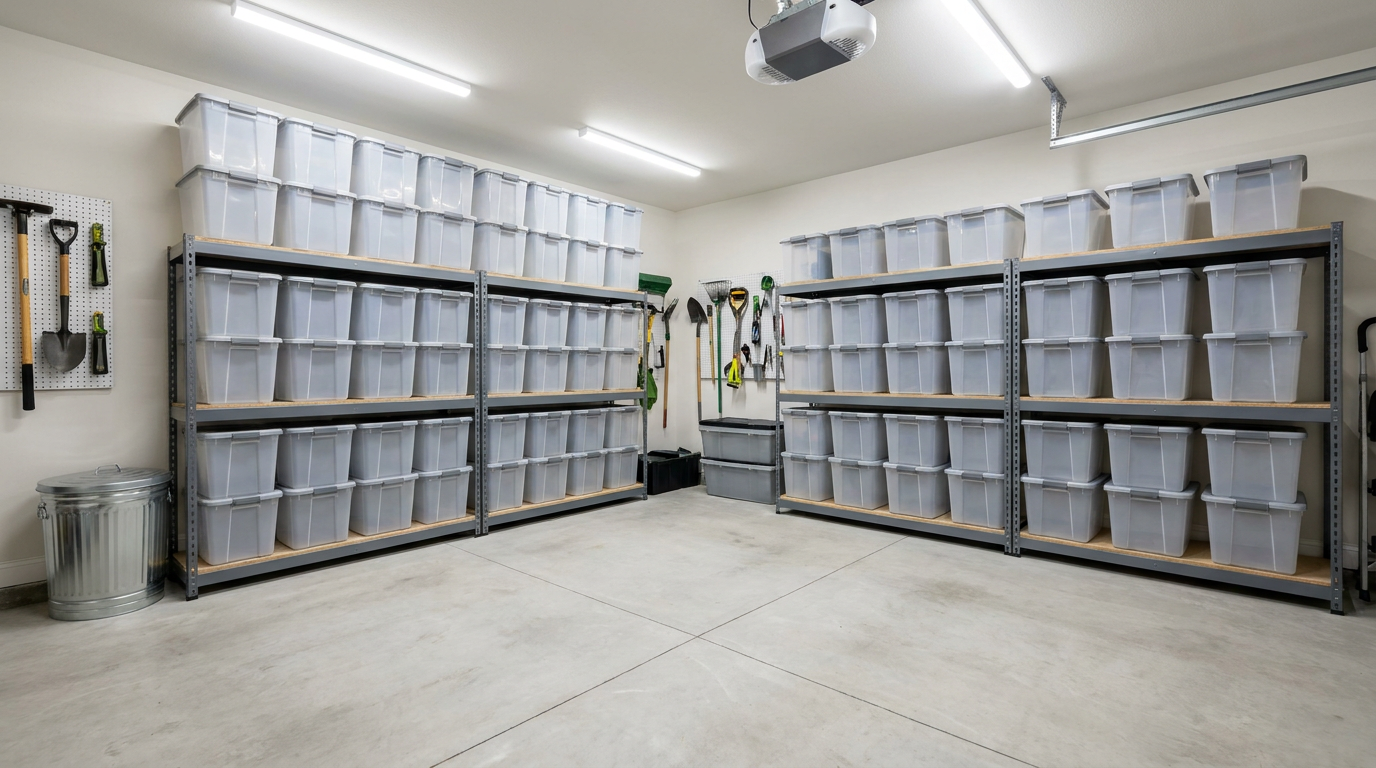
- Keep the garage floor clear of clutter. Rodents nest in undisturbed boxes, seasonal decorations, and stored fabric.
- Elevate stored items on shelving—not on the floor against walls.
- Close the garage door fully every night. Even a two-inch gap at the bottom defeats the seal.
Exterior Maintenance
- Keep tree branches trimmed at least 6 feet from the roofline. Roof rats use overhanging branches as highways to your attic.
- Remove ivy or climbing vines from exterior walls—they give rodents hidden pathways to upper-floor entry points.
- Report gnaw marks, droppings, or greasy rub marks to your technician immediately. These signs mean a rodent has found a path we need to investigate.
Impact of Climate on Rodent Behavior
Climate plays a significant role in rodent behavior. Warmer temperatures in the Southern United States, including Texas, Louisiana, Oklahoma, and Mississippi, can lead to increased rodent activity as they seek shelter and food. Seasonal changes, such as the rainy season, may also drive rodents indoors. Understanding these patterns helps in planning effective rodent control strategies. According to a study by the University of California, warmer winters can lead to higher survival rates for rodents, increasing their populations in urban areas.
Latest Pest Control Technologies
Romex Pest Control stays at the forefront of pest management by adopting the latest technologies. Innovations such as smart traps and remote monitoring systems allow for real-time tracking of rodent activity, providing more efficient and targeted control measures. These technologies are part of our commitment to delivering cutting-edge solutions to our clients.
Company History and Achievements
Founded in 2005, Romex Pest Control has become a leader in pest management across the Southern United States. Our commitment to quality service has earned us numerous industry awards, including the NPMA QualityPro certification, which recognizes excellence in pest management practices. Our team is dedicated to ongoing education and training, ensuring we stay at the forefront of pest control innovations.
FAQs
- How often should I schedule rodent exclusion inspections?
- We recommend scheduling inspections at least twice a year, especially before and after the colder months when rodent activity peaks.
- What precautions should I take with pets and children?
- Romex provides family-focused pest control. Our licensed technicians use EPA-registered products applied according to label directions and explain product-specific precautions, such as keeping children and pets off treated areas until dry.
Professional Tip from Romex Technicians
“Rodents are opportunistic. Even if you’ve sealed your home, they’ll test weak points over time. Regular maintenance and vigilance are key to staying rodent-free.”
The Ongoing Partnership
Rodent exclusion isn’t a one-time fix. Homes shift, seals wear, and new entry points can emerge. At Romex, we believe in building ongoing partnerships with our clients to ensure their homes remain rodent-free. Our technicians provide regular follow-ups and are always available to address any concerns.
Community Involvement
Romex Pest Control is committed to giving back to the communities we serve. We regularly participate in local events and support initiatives that promote environmental sustainability and public health. Our technicians often volunteer at educational workshops to raise awareness about pest management and prevention.
Contact Information
For more information or to schedule a service, please contact us at:
- Email: [email protected]
- Phone: (555) 123-4567
- Address: 123 Pest Control Lane, Dallas, TX 75201
Privacy Policy
At Romex Pest Control, we value your privacy. Please review our Privacy Policy to understand how we collect, use, and protect your information.
Terms of Service
By using our services, you agree to our Terms of Service. Please read them carefully.
Summary
Rodent-proofing your home is a collaborative effort between you and Romex Pest Control. By understanding the threats, employing effective exclusion techniques, and maintaining vigilance, you can protect your home and family from the health risks posed by rodents. Our team is here to support you every step of the way.