
⚠️ Safety Warning
Wasp and hornet stings can be life-threatening for allergic individuals. Never attempt removal if you have a known allergy. When in doubt, call a professional pest control service at (844) 955-2447.
Finding a wasp nest on your property triggers an immediate question: What type of wasp am I dealing with, and how dangerous is removal? The answer depends entirely on the species, nest location, and time of year. Some wasps abandon their nests naturally, while others defend theirs with aggressive swarms that can send you to the emergency room.
After working with thousands of wasp removal cases across Texas, Oklahoma, Louisiana, and Mississippi, I've learned that homeowner identification mistakes cost them time, money, and sometimes trips to urgent care. This guide provides the specific identification markers and safety protocols that actually matter when you're standing 20 feet from a buzzing nest wondering what to do next.
Critical Identification: Active vs. Abandoned Nests
Before you even consider removal, determine if the nest is active. This single factor determines whether you're dealing with a minor cleanup job or a potentially dangerous situation requiring professional intervention.
Signs of Active Nests
- Visible wasp traffic: 5+ wasps entering/exiting within a 10-minute observation period
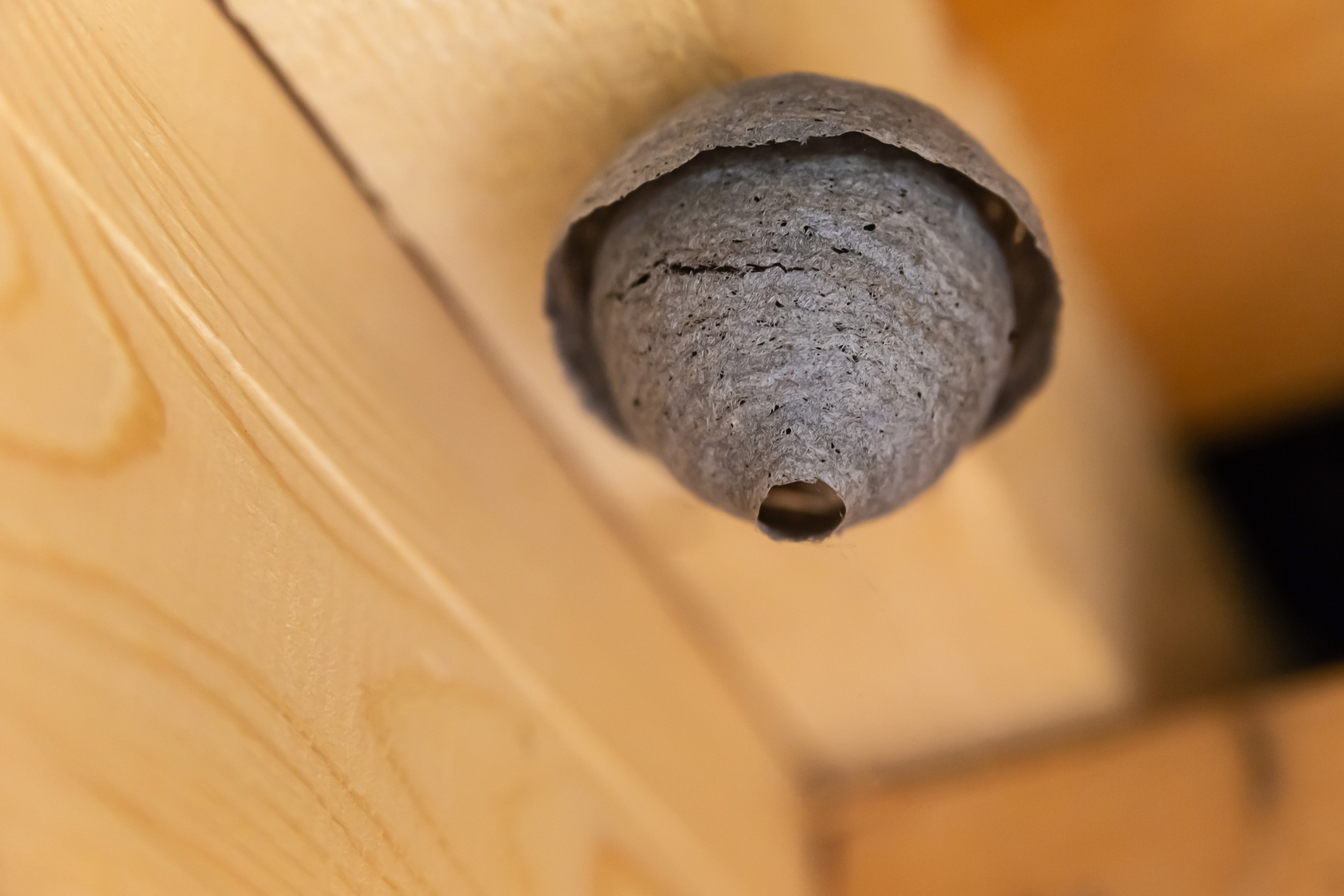
- Fresh construction: Gray, papery material that looks clean and new
- Defensive behavior: Wasps hovering near the nest when you approach within 6 feet
- Morning activity: Peak traffic occurs between 10 AM - 2 PM on warm days
Signs of Abandoned Nests
- No wasp activity: Zero wasps observed over 24-48 hours of checking
- Weather damage: Holes, discoloration, or structural damage to nest exterior
- Seasonal timing: Late fall through early spring in our service regions
- Web presence: Spider webs covering entrance holes indicate abandonment
Ready to Get Started?
Free quote • No obligation • Same-day service available
Regional Wasp Species Identification Guide
Knowing your local wasp species determines removal difficulty and danger level. Here are the most common species we encounter across our service areas:
Paper Wasps (Polistes species)
- Nest appearance: Open-faced, umbrella-shaped with visible hexagonal cells
- Size: 4-8 inches diameter, typically under eaves or overhangs
- Aggression level: Moderate - defensive when nest is threatened
- Peak season: April through October in our regions
- Removal difficulty: Moderate - small colonies of 15-200 wasps
Yellowjackets (Vespula species)
- Nest appearance: Enclosed paper nest, often in wall voids or underground
- Size: Can reach basketball size with 1,000+ wasps
- Aggression level: HIGH - extremely defensive, multiple stings common
- Peak season: Late summer (August-September) when colonies peak
- Removal difficulty: Professional recommended - dangerous for DIY
Bald-Faced Hornets (Dolichovespula maculata)
- Nest appearance: Large, football-shaped, gray paper nest in trees
- Size: 12-24 inches long, 100-700 hornets
- Aggression level: VERY HIGH - aggressive defenders, painful stings
- Peak season: July through September
- Removal difficulty: Professional required - extremely dangerous
Mud Daubers (Sphecidae family)
- Nest appearance: Mud tubes or clusters, not paper
- Size: Individual tubes 1-2 inches long
- Aggression level: LOW - rarely sting, non-social
- Peak season: Spring through fall
- Removal difficulty: Easy - safe for DIY removal
Safe DIY Removal: When and How
Only attempt DIY removal if ALL these conditions are met:
- Nest is confirmed abandoned (no activity for 48+ hours)
- You have no known allergies to stings
- Nest is easily accessible without ladders above 6 feet
- You have proper protective equipment
- Someone else is present during removal
Essential Safety Equipment
- Full coverage clothing: Long sleeves, pants, closed shoes
- Head protection: Hat with wide brim, consider bee veil for face
- Gloves: Thick leather or rubber gloves
- Eye protection: Safety glasses or goggles
- Emergency kit: Antihistamine, ice packs, emergency contact numbers
Step-by-Step Removal Process
- Time it right: Early morning or evening when wasps are least active
- Approach slowly: No sudden movements or vibrations
- Remove attachment points: Cut or scrape nest away from surface
- Double-bag disposal: Seal nest in garbage bags immediately
- Clean the area: Scrub attachment site to remove pheromone traces
- Monitor for return: Check daily for 1 week for rebuilding attempts
When Professional Removal Is Required
Certain situations demand professional intervention. Attempting DIY removal in these scenarios often results in multiple stings, incomplete removal, or dangerous falls:
Mandatory Professional Situations
- Active yellowjacket or hornet nests: Too aggressive for safe DIY
- Nests in wall voids: Require specialized equipment and techniques
- Multiple nests: Indicates established territory, complex removal needed
- High locations: Above 10 feet or requiring ladder work
- Near electrical equipment: Power lines, junction boxes, HVAC units
- Large paper wasp nests: Over 8 inches diameter typically means 100+ wasps
What Professional Treatment Includes
- Species-specific approach: Different treatment methods for different wasps
- Protective equipment: Professional-grade bee suits and equipment
- Specialized products: Commercial-grade treatments not available to consumers
- Complete removal: Nest removal plus pheromone elimination
- Prevention advice: Site modification to prevent re-establishment
Regional Considerations for Our Service Areas
Climate and geography significantly impact wasp behavior and nest removal timing across our service regions:
Texas (DFW, Austin, San Antonio, Tyler)
- Extended season: Warm climate allows wasps to remain active longer
- Varied species: High diversity of wasp species requires tailored approaches
Louisiana
- High humidity: Promotes rapid wasp nest construction
- Frequent storms: Can damage nests, leading to increased activity
Oklahoma
- Seasonal extremes: Hot summers and cold winters affect wasp cycles
- Rural areas: Higher likelihood of encountering larger nests
Mississippi
- Dense vegetation: Provides ample nesting sites for wasps
- Year-round activity: Mild winters allow some wasp activity even in colder months
Frequently Asked Questions
What should I do if I find a wasp nest?
First, determine if the nest is active or abandoned. If active, consider professional removal, especially if the nest is large or in a difficult location.
How can I prevent wasps from nesting on my property?
Regularly inspect your property for early signs of nest building, seal potential entry points, and consider professional preventive treatments.
Are there any natural deterrents for wasps?
While some natural deterrents like peppermint oil can be effective, they are not a substitute for professional treatments, especially for established nests.