
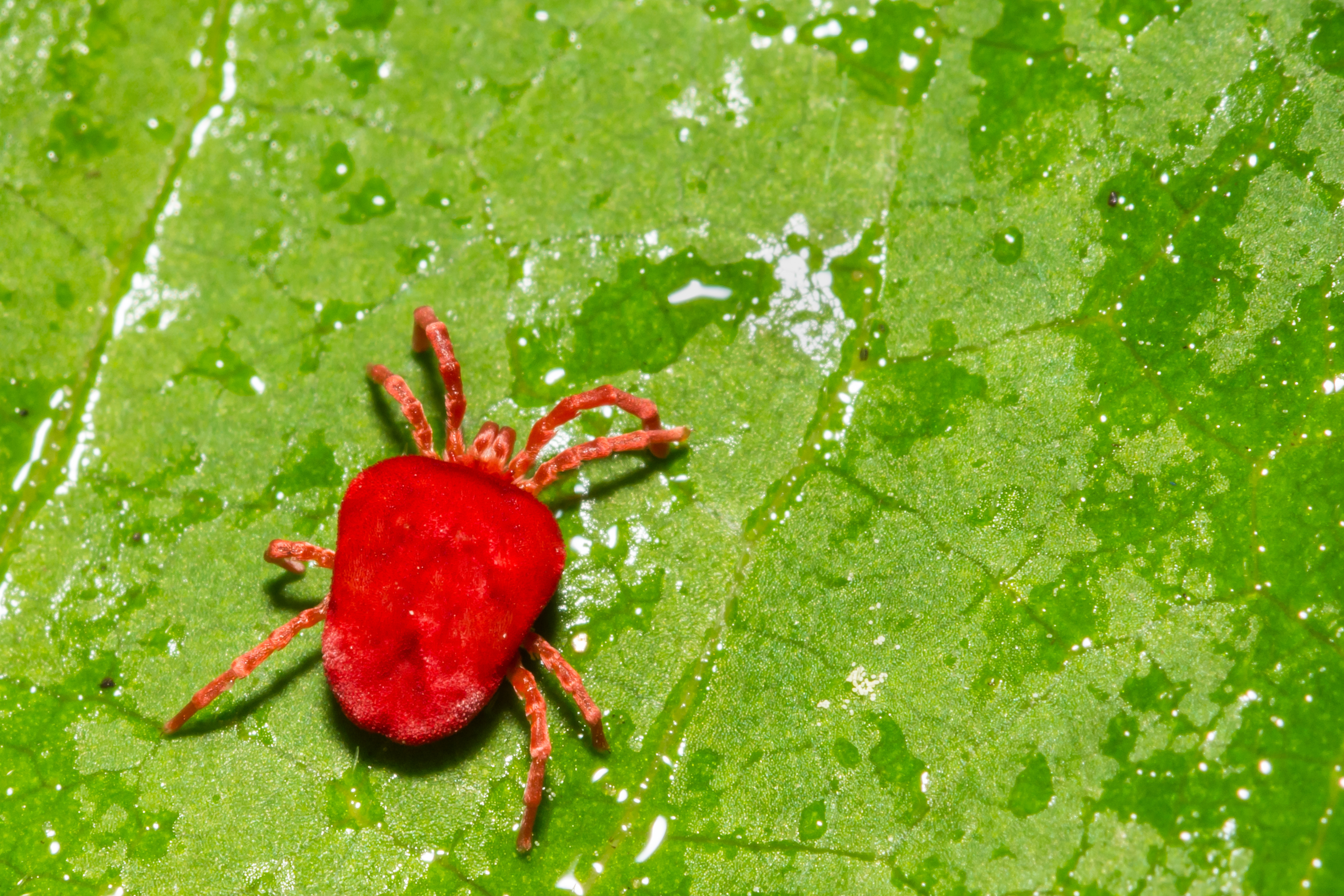
You've sprayed the yard, worn long socks, slathered on repellent, and you're still finding those maddening red welts clustered around your ankles and waistband. Sound familiar? Chiggers are one of the most frustrating warm-weather pests in Texas, Oklahoma, Louisiana, and Mississippi, and standard DIY tactics often fall embarrassingly short. If you're done itching and ready for real answers, this guide walks you through why home remedies fail, how to treat bites properly, and when it's time to call in a licensed professional.
Why DIY Chigger Control Often Falls Short
Grab a can of bug spray and call it done, if only it were that simple. Most homeowners reach for over-the-counter yard sprays or try diatomaceous earth broadcasts, see a brief reduction in bites, and assume the problem is solved. Then two weeks later, they're scratching again.
The core issue is that DIY chigger control rarely addresses the full picture. Chiggers live in dense, shaded vegetation and reproduce in cycles tied to soil moisture and host animal activity. A single treatment applied unevenly, or during the wrong weather conditions, won't penetrate the microhabitats where larvae are hatching. Diatomaceous earth, while organic and useful in dry conditions, loses effectiveness quickly once it gets wet, which is common in humid Southern states.
There's also a timing problem. Most people treat after they've already been bitten, which means they're reacting to an established population rather than preventing one. Without a strategic, layered approach covering harborage zones, perimeter barriers, and host animal management, you're essentially playing whack-a-mole with microscopic mites.
Ready to Get Started?
Free quote • No obligation • Same-day service available
What Chiggers Are and Why They're So Hard to Eliminate
Chiggers are the larvae of Trombiculidae mites, reddish-orange, nearly invisible to the naked eye, and remarkably well-adapted to survival. According to the Texas A&M AgriLife Extension Service, the larvae measure just 0.15 to 0.3 millimeters — about 1/100 of an inch — which is why you almost never see the culprit, only the aftermath. Adult mites lay eggs in moist soil: when the larvae hatch, they climb vegetation and wait for a warm-blooded host to brush past. They don't burrow into skin or lay eggs in it (a persistent myth), but they do inject a digestive enzyme that breaks down skin cells, causing that intensely itchy, raised welt.
In the southeastern United States, chiggers are active from early spring through the first hard frost, giving them a roughly six-month window to make your outdoor life miserable. Their microscopic size makes them nearly impossible to spot before they've already latched on, which is a big part of why elimination is so difficult. You can't treat what you can't see.
Where Chiggers Hide and What Attracts Them to Your Yard
Chiggers cluster at the edges, where maintained lawn meets overgrown vegetation, where a fence line meets a weedy border, or where a shaded area stays consistently damp. Berry patches, tall grass, leaf litter, and brush piles are prime harborage spots.
What attracts them? Moisture, shade, and hosts. Small mammals like squirrels, chipmunks, rabbits, and even birds carry chiggers into your yard and drop larvae throughout their territory. If your yard borders a greenbelt, creek, or wooded area, common throughout North Texas and the Gulf South, you're at elevated risk. Removing overgrown brush, trimming vegetation, and addressing conditions that attract wildlife can reduce populations significantly, but rarely eliminates them without additional treatment.
Treating Chigger Bites When Home Remedies Aren't Enough
First, forget the nail polish trick. Chiggers don't burrow, so there's nothing to suffocate. As Dr. Justin Talley, head of Oklahoma State University's Department of Entomology, puts it: chiggers are non-burrowing mites that feed and leave — by the time the bite begins to itch, the chigger is simply not there anymore. Applying nail polish or petroleum jelly does nothing except irritate the skin further.
What actually works: Wash exposed skin immediately with hot, soapy water and a washcloth, friction helps remove any remaining larvae before they've had time to feed. OSU Extension notes that a warm shower taken within an hour or two of exposure greatly reduces the number of bites you'll end up with. Wash clothing right away, too. After that, focus on symptom relief. Calamine lotion, colloidal oatmeal, and over-the-counter hydrocortisone cream (1%) are all evidence-backed options for reducing itch and inflammation. Oral antihistamines like diphenhydramine (Benadryl) can help at night when itching tends to peak. Per the Cleveland Clinic, the itching is most intense during the first 24 to 48 hours, then gradually fades over the following two weeks. If symptoms don't improve after a few days, or if the bite sites become warm, swollen, or oozing, that's a sign of secondary bacterial infection from scratching. See a doctor for prescription-strength topical corticosteroids or antibiotics. Parents should be especially vigilant: children scratch more aggressively, so keeping their nails short and covering bites with light bandages can prevent infection from taking hold.
Professional Chigger Control: What to Expect and When to Call
If you've treated your yard twice with store-bought products and you're still getting bitten every time you step outside, it's time to call a licensed pest control professional. Repeated DIY failures aren't a personal shortcoming, they're a signal that the infestation is more entrenched than a consumer product can handle.
A professional chigger treatment starts with an inspection to identify harborage zones and contributing conditions: moisture sources, overgrown vegetation, host animal activity. From there, a technician applies targeted residual insecticide to the specific areas where chiggers are harboring and traveling, not just a blanket spray across the lawn. Products used by licensed exterminators have formulations and application methods not available at retail, and they're applied at the right rates for actual effectiveness.
Expect the technician to also provide habitat modification recommendations, things like adjusting irrigation patterns, removing leaf litter, or trimming back brush. That combination of targeted chemical treatment and structural advice is what separates professional service from a DIY broadcast application.
Long-Term Prevention Strategies to Keep Chiggers Away
Getting rid of an active infestation is step one. Keeping chiggers from returning is the longer game, and it's one where consistent yard management makes a real difference.
Landscape maintenance:
- Keep grass cut short. Low turf raises soil temperature and reduces the humidity chiggers need to survive.
- Trim shrubs and clear brush piles, especially along fence lines and property edges.
- Pull weeds regularly, particularly in shaded areas.
Personal protection when outdoors:
- Apply DEET-based repellent (at least 20% DEET, picaridin, or IR3535) to exposed skin before heading into high-risk areas.
- Treat clothing and boots with permethrin, it's long-lasting and remains effective through multiple washes. Don't apply permethrin directly to skin.
- Stick to cleared paths when hiking or working near wooded borders.
Reducing host animal activity:
- Secure trash cans and remove food sources that attract squirrels, rabbits, and other small mammals.
- Consider removing bird feeders during peak chigger season if wildlife pressure is high.
In yards that border natural areas, an ongoing chigger control near me service schedule, typically quarterly in the South, provides a chemical perimeter barrier that DIY alone can't maintain.
How Romex Pest Control Treats for Chiggers
Romex Pest Control serves homeowners across Texas, Oklahoma, Louisiana, and Mississippi with licensed, local technicians who are experts in chigger control. Our team uses professional-grade products and techniques that are tested and approved for effectiveness. We also provide personalized advice on habitat modification to ensure long-term prevention.