
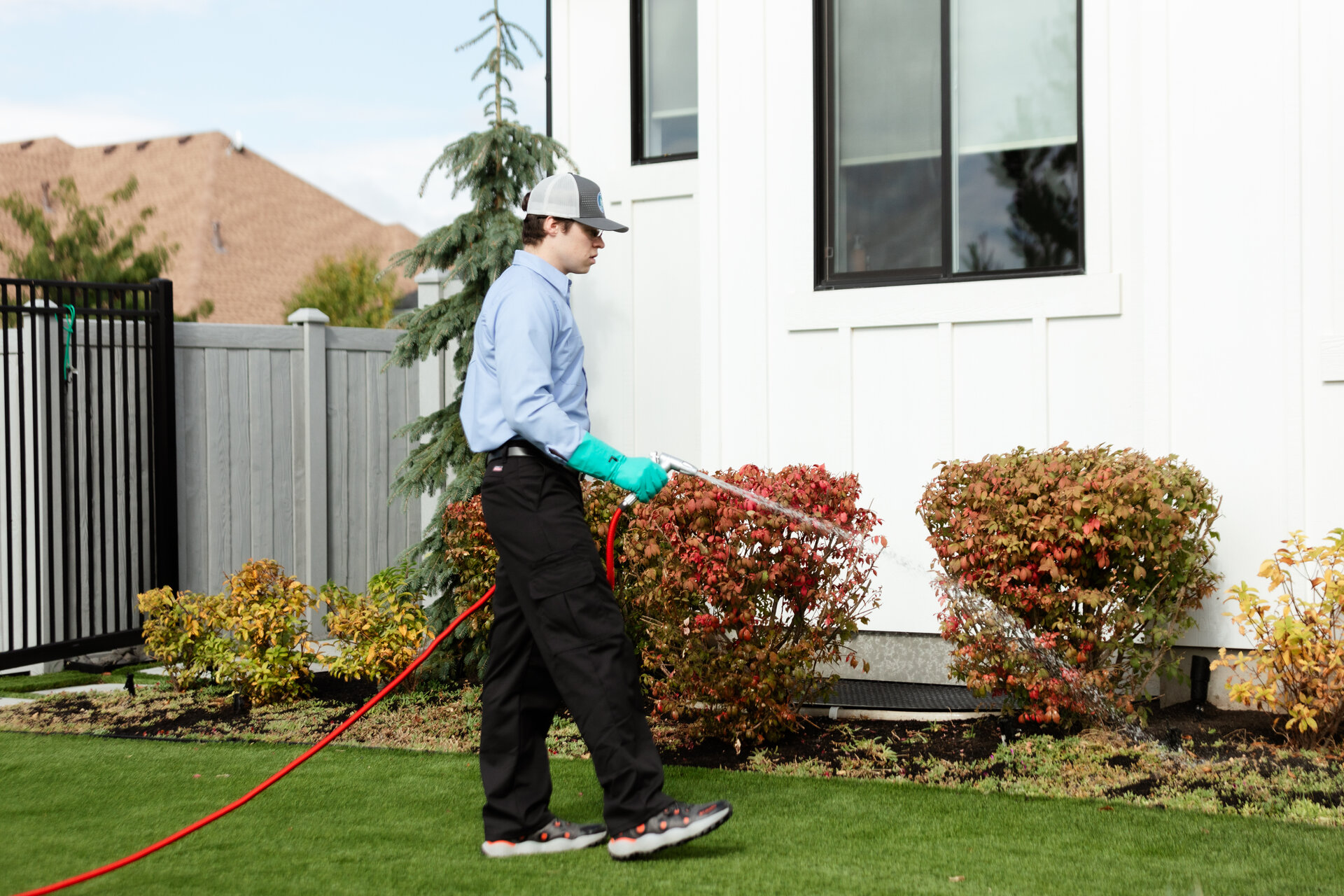
Long Beach Pest Control
Long Beach, Mississippi is a coastal city located on the Gulf of Mexico, west of Gulfport in Harrison County. The city is known for its scenic beachfront along US Highway 90, the Long Beach Harbor, and the University of Southern Mississippi Gulf Park Campus. With a history rooted in radish farming and the seafood industry, Long Beach is now a vibrant community featuring parks like Friendship Oak Park and Harper McCaughan Town Green. From Long Beach Harbor to Friendship Oak (on USM Gulf Park Campus), Romex treats Harrison County properties with proven local expertise and same-day response.
Top Long Beach Pest Threats
- Termites
- Mosquitoes
- Ants
- Cockroaches
- Spiders
- Rodents
Same-Day Service • Sentricon® Certified • Satisfaction Guaranteed
What type of property needs service?
Note: We do not service trailer homes or vehicles.
Locally Managed & Operated. Backed by National Resources.
Romex joined the Rollins, Inc. family in 2026, but Romex continues to operate independently—same local Long Beach management, same technicians, same culture. Rollins acquires brands and lets them run with their established operations. What you get: the same locally managed Romex service, now backed by world-class training and resources. We also offer all-natural pest control options upon request—just ask your technician.
Why Does Long Beach, Mississippi Need Professional Pest Control?
Population: ~16,780 · Harrison County
Long Beach, Mississippi is a coastal city located on the Gulf of Mexico, west of Gulfport in Harrison County. The city is known for its scenic beachfront along US Highway 90, the Long Beach Harbor, and the University of Southern Mississippi Gulf Park Campus. With a history rooted in radish farming and the seafood industry, Long Beach is now a vibrant community featuring parks like Friendship Oak Park and Harper McCaughan Town Green.
Long Beach sits on the Mississippi Gulf Coast, characterized by flat, sandy terrain and low elevation—averaging around 13 feet above sea level. The area is part of the Gulf Coastal Plain, with sandy to loamy soils and proximity to the Gulf of Mexico, Mississippi Sound, and several bayous. These features create ideal habitats for both native and invasive pests, especially where marshlands and live oak groves meet residential zones.
Notable Local Features
What Pest Problems Does Your Long Beach Neighborhood Face?
Downtown Long Beach
Historic core with local shops, parks, and easy access to the waterfront.
Increased rodent and cockroach activity due to older infrastructure and nearby food establishments.
Pineville
Northern residential area known for pine forests and newer subdivisions.
Mosquitoes and termites thrive due to wooded lots and proximity to wetlands.
West Long Beach
Suburban area stretching towards Pass Christian, with a mix of homes and undeveloped land.
Wildlife intrusions (raccoons, opossum) and ants are common near wooded patches.
The Oaks
Neighborhood near the University of Southern Mississippi Gulf Park Campus, shaded by large live oaks.
Squirrels, carpenter ants, and occasional bat issues due to mature trees and older houses.
Long Beach Pest Pressures: A Closer Look
What our licensed technicians see on the ground in Harrison County.
Termites in Harrison County
Subterranean termites are the dominant species targeting homes throughout Long Beach and Harrison County. Older properties in Downtown Long Beach are especially vulnerable, where soil moisture and wood-to-ground contact create ideal conditions for Eastern subterranean colonies. Romex inspectors have identified active infestations within a few miles of Long Beach Harbor, typically in homes built before 2000 with untreated crawl spaces or slab cracks. Swarmer flights in March and April provide the clearest early warning. We use Termidor HE liquid treatments and Sentricon bait stations to protect the entire structure rather than spot-treating visible damage.
Prevention tip: Keep mulch, firewood, and landscaping timbers at least 12 inches away from foundation walls and never stack firewood against the house.
Mosquitoes in Harrison County
Asian tiger mosquitoes (Aedes albopictus) are the most aggressive biters in Long Beach, and unlike native species they are day-active. Properties within a mile of Friendship Oak (on USM Gulf Park Campus) see elevated pressure due to tree cover and nearby drainage. In neighborhoods like Pineville, the yard-to-yard flight range means a single neglected container can re-infest the whole block within a week. Our integrated mosquito program combines source reduction (we identify and eliminate breeding sites during the initial inspection) with a 30-day residual spray on foliage below eight feet, the resting zone for adult females.
Prevention tip: Walk your property weekly and dump any standing water — a discarded bottle cap can breed 300 mosquitoes in seven days.
Ants in Harrison County
Ant diversity is high in Long Beach: we routinely identify fire ants, sugar ants (odorous house ants), rover ants, acrobat ants, and carpenter ants on a single property. Downtown Long Beach is a textbook case — increased rodent and cockroach activity due to older infrastructure and nearby food establishments. Near Long Beach Harbor, crazy ants have been documented on a few properties, requiring specialized bait protocols. Romex applicators never recommend over-the-counter aerosols for trails because they scatter satellite colonies and make the problem worse.
Prevention tip: Seal gaps around exterior pipe penetrations and weather-stripping; most indoor ant trails originate at these entry points.
Cockroaches in Harrison County
The American cockroach (Periplaneta americana) is the common "water bug" homeowners in Long Beach encounter coming out of drains and sewer lines. Older homes in Downtown Long Beach, where increased rodent and cockroach activity due to older infrastructure and nearby food establishments., have more frequent sightings. Restaurants and food service near Long Beach Harbor carry higher overall roach pressure due to dumpster areas. Romex pairs IGR (insect growth regulator) treatments in basements and crawl spaces with Advion gel bait placements in kitchens to break the reproductive cycle.
Prevention tip: Eliminate moisture around the foundation: fix splash blocks, grade soil away from the house, and repair any dripping outdoor faucets.
Why Do Long Beach Homeowners Choose Romex?
Gulf Coast Expertise
Our Poplarville team understands Long Beach's unique coastal pest pressures from high humidity and sandy soil conditions. We've protected Gulf Coast homes for years against termites and moisture-loving pests.
Hurricane Preparedness
We help Long Beach residents prepare for post-storm pest surges common along the Mississippi coast. Our preventive treatments reduce the risk of infestations after severe weather events.
Sentricon® Certified
Our termite specialists use advanced Sentricon® systems perfect for Long Beach's sandy terrain and high termite pressure. This proven technology protects your investment in coastal Mississippi's challenging environment.
Downtown Response
From The Oaks to downtown Long Beach, we provide rapid service throughout Harrison County. Our local knowledge helps us target problem areas near wetlands and older neighborhoods effectively.
Local Pest Control Regulations in Long Beach
All Romex technicians are Mississippi state-licensed and follow strict coastal environmental guidelines. Many Long Beach neighborhoods have HOA requirements for discreet pest control treatments that we fully accommodate.
Long Beach Climate & Pest Activity
Local Climate Impact
Long Beach experiences a humid subtropical climate, with average summer highs around 90°F and mild winters averaging 50°F. Annual rainfall exceeds 65 inches, with high humidity year-round. These warm, wet conditions foster long breeding seasons for mosquitoes, termites, and other moisture-loving pests.
Why Long Beach Faces Unique Pest Pressures
Long Beach's proximity to the Gulf, local bayous, and extensive live oak canopy provide perfect environments for mosquitoes, ants, and rodents. The sandy soils and frequent rainfall create standing water, especially after summer storms, amplifying mosquito populations. Dense vegetation and urban-wildland edges also increase encounters with wildlife pests such as raccoons and snakes.
Long Beach Seasonal Pest Calendar
Spring (Mar-May)
Spring rains and warming temperatures trigger termite swarms and increased mosquito breeding along bayous and low-lying areas. Ants become more active in lawns and kitchens.
Summer (Jun-Aug)
Heavy rainfall and high humidity near the Gulf lead to peak mosquito activity and bring cockroaches indoors seeking cooler conditions. Rodent activity increases around food sources.
Fall (Sep-Nov)
As temperatures drop, rodents and small wildlife seek shelter in homes, especially in neighborhoods near wooded areas like Pineville and The Oaks.
Winter (Dec-Feb)
Cooler weather reduces mosquito activity, but rodents and spiders seek warmth indoors. Occasional ant activity may persist during mild spells.
Pro Tip: Long Beach homeowners save up to 40% with year-round protection plans that proactively treat for seasonal pests before they become infestations.
💡Did You Know About Long Beach?
After Hurricane Katrina in 2005, Long Beach saw a surge in termite infestations due to widespread tree damage and waterlogged wooden structures, prompting new pest management strategies citywide.
Why Long Beach Trusts Romex Pest Control
Licensed & Insured
Licensed professionals serving Harrison County since 2016. Full liability and workers' compensation coverage.
Targeted Treatment Approach
Professional pest control tailored to Long Beach's local conditions. Targeted treatments that minimize chemical use while maximizing effectiveness. We also guide homeowners on IPM strategies they can implement between visits.
Sentricon® Certified
Certified specialists in Sentricon® Always Active™ termite baiting. Essential protection for Harrison County properties.
Frequently Asked Questions: Pest Control in Long Beach
Straightforward answers to the most common pest control questions from Long Beach homeowners — from pricing and service schedules to local pest pressures.
What are the most common pests in Long Beach, MS?
▼
How does Long Beach's proximity to the Gulf affect pest control?
▼
Are there specific pest concerns near Long Beach Harbor?
▼
Do local parks like War Memorial Park attract pests?
▼
Is termite damage a big issue in Long Beach, MS?
▼
How can I protect my home from pests during hurricane season?
▼
What pests are most common in the Downtown Long Beach area of Long Beach?
▼
When is the best time of year to treat for termites in Harrison County?
▼
How much does pest control cost in Long Beach, MS?
▼
How much does termite treatment cost in Long Beach?
▼
When should I start mosquito control in Long Beach?
▼
How often should my home in Long Beach be treated for pests?
▼
Do I need rodent exclusion work on my Long Beach home?
▼
Is professional pest control worth it in Long Beach?
▼
What precautions should I take with kids and pets after a pest treatment in Long Beach?
▼
Verified Treatment Activity in Long Beach
Real pest treatment data from our Long Beach service records — not estimates.Updated October 2026
General Pest Control — Long Beach
Quarterly & preventive treatments for common household pests
Specialized Treatments — Long Beach
Targeted treatments requiring specialized protocols & equipment
Protect Your Long Beach Home Today
Free quote • No obligation • Same-day service available
Google Reviews Near Long Beach
Recent reviews from our Slidell, LA Google Business Profile, the Romex office closest to Long Beach
Horace S.
Google review · Slidell, LA office
Service technician Chris arrived early and performed our service in a very timely manner. Before getting started he explained in detail what he would be doing today. Chris also answered all of my questions and was very professional.and knowledgeable.
Harold V.
Google review · Slidell, LA office
David was fantastic! He is such an asset to Romax pest control. His knowledge of how insects and Rodents act and live is amazing! David is very friendly, professional and warm all at the same time! Thank you David for being my pest control, brother!
Clennie Y.
Google review · Slidell, LA office
I am very , very satisfied the pest control service done by Josh H. today. He listened to my concerns at my home, and addressed each. This young did an awesome job. He was very polite and professional. I would definitely recommend Romax to my friends and family with no hesitation. I would also recommend Josh for future services at my residence.
Richard W.
Google review · Slidell, LA office
Much better results than I was getting using store ant killer on yard. Gave good education on tips to keep bugs away. Always on time and polite.
Reviews shown word-for-word from Google. Reviewer names shortened for privacy.
Get a Free Pest Control Quote in Long Beach
Long Beach, Mississippi Service Area
Romex technicians route through Long Beach daily. The map below shows the city and surrounding area we serve.
Nearest Romex Pest Control Office
Pests Active Now in Long Beach
Fall activity — schedule preventive treatment now.
Long Beach Service Areas
- ✓ Downtown Long Beach
- ✓ Pineville
- ✓ West Long Beach
- ✓ The Oaks
Serving Near
- • Long Beach Harbor
- • Friendship Oak (on USM Gulf Park Campus)
- • Harper McCaughan Town Green
- • Long Beach Yacht Club
- • War Memorial Park
Wondering about pricing? See our Long Beach Pest Control Cost Guide →
Ready to Protect Your Long Beach Property?
Get a free pest control quote today and join hundreds of satisfied customers in Long Beach.