
Professional Carpenter Ant Control
Protect your home from wood-destroying carpenter ants
What type of property needs service?
Note: We do not service trailer homes or vehicles.
Comprehensive Carpenter Ant Control
Carpenter ants are one of the most destructive wood-destroying insects in our service area. Unlike termites, they don't eat wood—they excavate it to create elaborate tunnel systems for their colonies. A single colony can contain thousands of workers, with satellite colonies spreading throughout your home.
Our carpenter ant treatment targets both the main colony and any satellite nests. We identify entry points, treat active areas, and address the moisture issues that attracted them in the first place.
What's Included
Complete inspection for colony locations and damage assessment
Treatment of main colony and satellite nests
Interior wall void and crack treatments
Exterior perimeter barrier application
Identification and sealing of entry points
Moisture source recommendations
Follow-up visits to ensure elimination
Carpenter Ants vs Termites
Both are wood-destroying insects, but they require different treatment approaches.
Carpenter Ants
- •Large (1/4" to 1/2"), usually black
- •Excavate wood but DON'T eat it
- •Leave sawdust-like "frass" behind
- •Prefer moist, damaged wood
- •Visible foraging trails
- •Active year-round indoors
Termites
- •Small (1/8"), pale/cream colored
- •Actually EAT and digest wood
- •Leave mud tubes on foundations
- •Can damage any wood, even dry
- •Work hidden from view
- •Swarm seasonally in spring
Not sure which pest you have? Our technicians can find the problem. They will recommend the right treatment.
Carpenter Ant Species in Our Service Area
Several carpenter ant species are found in our region. Proper identification helps determine the best treatment approach.
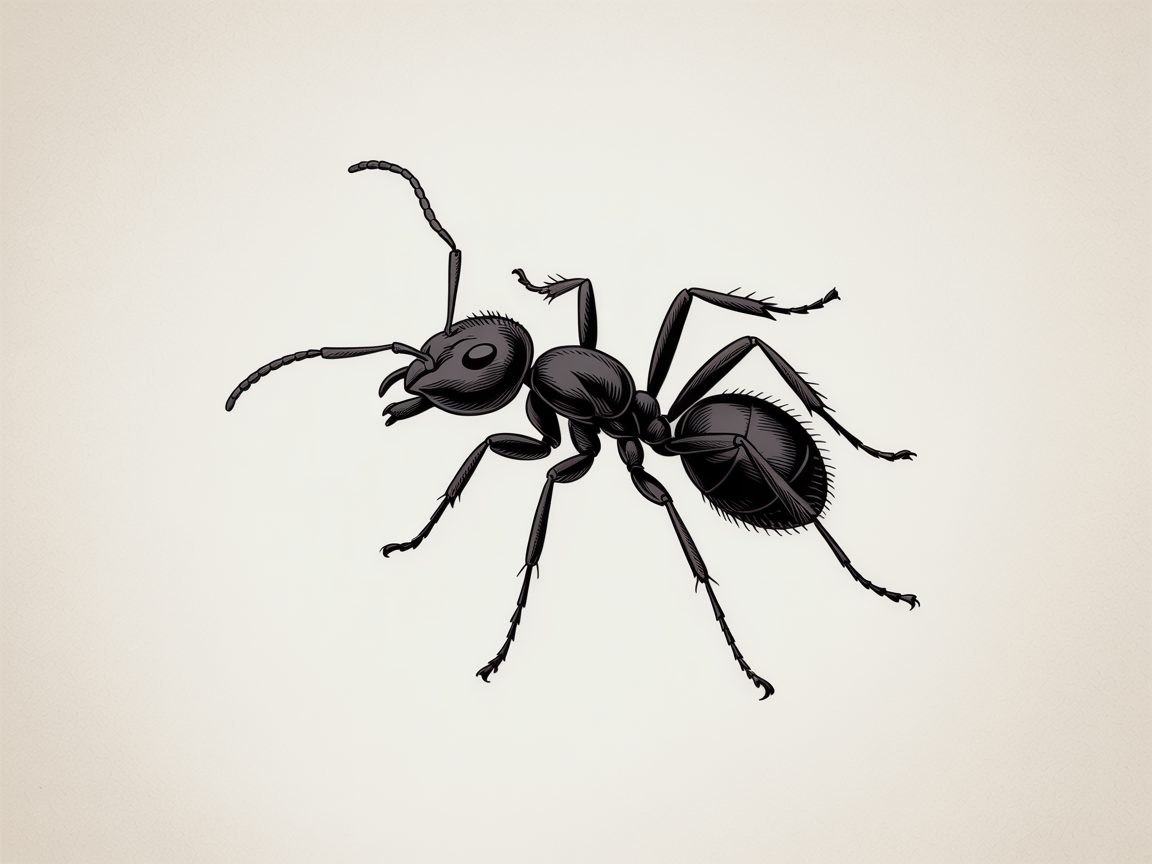
Black Carpenter Ant
Camponotus pennsylvanicus
Identification: Large (1/4-1/2"), jet black, single node waist
Habitat: Dead trees, stumps, structural wood with moisture damage
Concern: Primary structural pest; colonies can exceed 10,000 workers
Source: Texas A&M AgriLife Extension
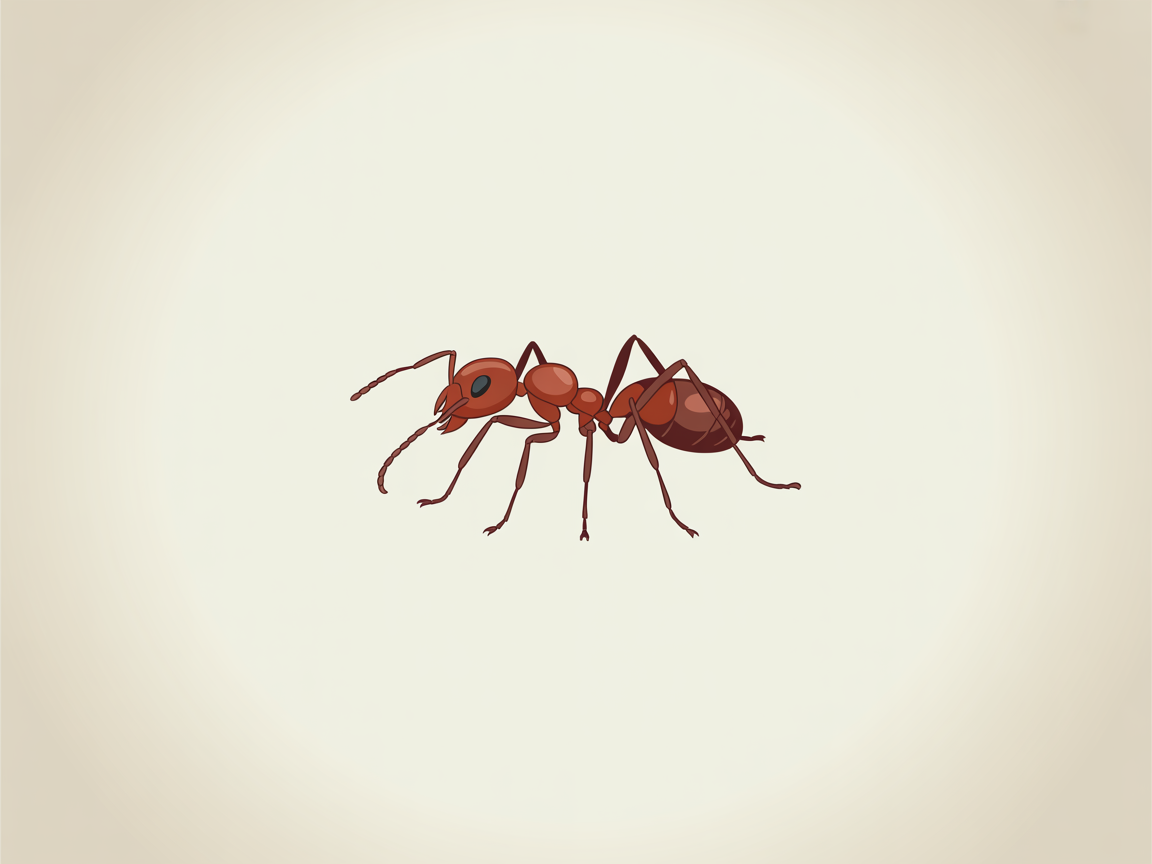
Red Carpenter Ant
Camponotus chromaiodes
Identification: Black head and abdomen, reddish-brown thorax
Habitat: Similar to black carpenter ants; often in oak trees
Concern: Creates satellite colonies inside homes from outdoor nests
Source: Oklahoma State University Extension
Florida Carpenter Ant
Camponotus floridanus
Identification: Reddish-brown to black, variable coloring, large size
Habitat: Common in Gulf Coast region; LA and MS
Concern: Adapts well to indoor environments; aggressive colonizer
Source: LSU AgCenter
You shouldn't have to share your home with pests
Your home is supposed to be your sanctuary—not a place where you feel invaded and uncomfortable.
Finding droppings in your kitchen every morning
Hearing scratching sounds in the walls at night
Worrying about your family's health and safety
Feeling embarrassed to have guests over
Constantly cleaning up after pest damage
Sound Familiar? You've Probably Already Tried...
The Romex Method: Identify, Eliminate, Protect
We believe pest control isn't about reacting to problems—it's about preventing them before they start. That's why we focus on creating an invisible barrier around your home that keeps pests out year-round.
Imagine your home the way it should be
A home where the only residents are the ones you invited. That's what our customers experience, and it's what you deserve too.
Signs of Carpenter Ant Infestation
Sawdust-like material (frass) near wood surfaces
Large black or red ants foraging indoors
Faint rustling sounds inside walls
Winged ants emerging indoors (swarmers)
Hollow-sounding wood when tapped
Small holes or slits in wood surfaces
Why Trust Romex?
Licensed & Insured
Fully certified professionals
Same-Day Service
Fast response when you need it
Satisfaction Guarantee
Free re-treatment if pests return
Responsible Methods
Professional application
The Real Impact of Carpenter Ants
Carpenter ants aren't just a nuisance—they're a serious threat to your home's structure and your peace of mind.
Health & Safety Risks
- •Can bite when disturbed (painful but not dangerous)
- •Weakened structural wood creates safety hazards
- •Compromised support beams risk collapse
- •May indicate underlying moisture problems
Economic Costs
- •Structural repairs can cost $1,000-$10,000+
- •Often not covered by homeowner's insurance
- •May require moisture remediation costs
- •Can affect home resale value
Emotional Toll
- •Anxiety about hidden structural damage
- •Stress from ongoing repair costs
- •Fear of damage spreading to other areas
- •Frustration with recurring infestations
Property Damage
- •Hollow out wall studs and support beams
- •Damage window and door frames
- •Weaken roof rafters and floor joists
- •Create satellite nests throughout home
Don't let carpenter ants compromise your home's structure. Professional treatment stops damage before it spreads.
Frequently Asked Questions
Get Professional Carpenter Ant Control Today
Pest Identification Guide
Learn to identify the specific species covered by this service. Click any pest for detailed biology, behavior, and prevention tips.
Ready to Protect Your Home from Carpenter Ants?
Get a free quote and customized treatment plan for your property