
Introduction
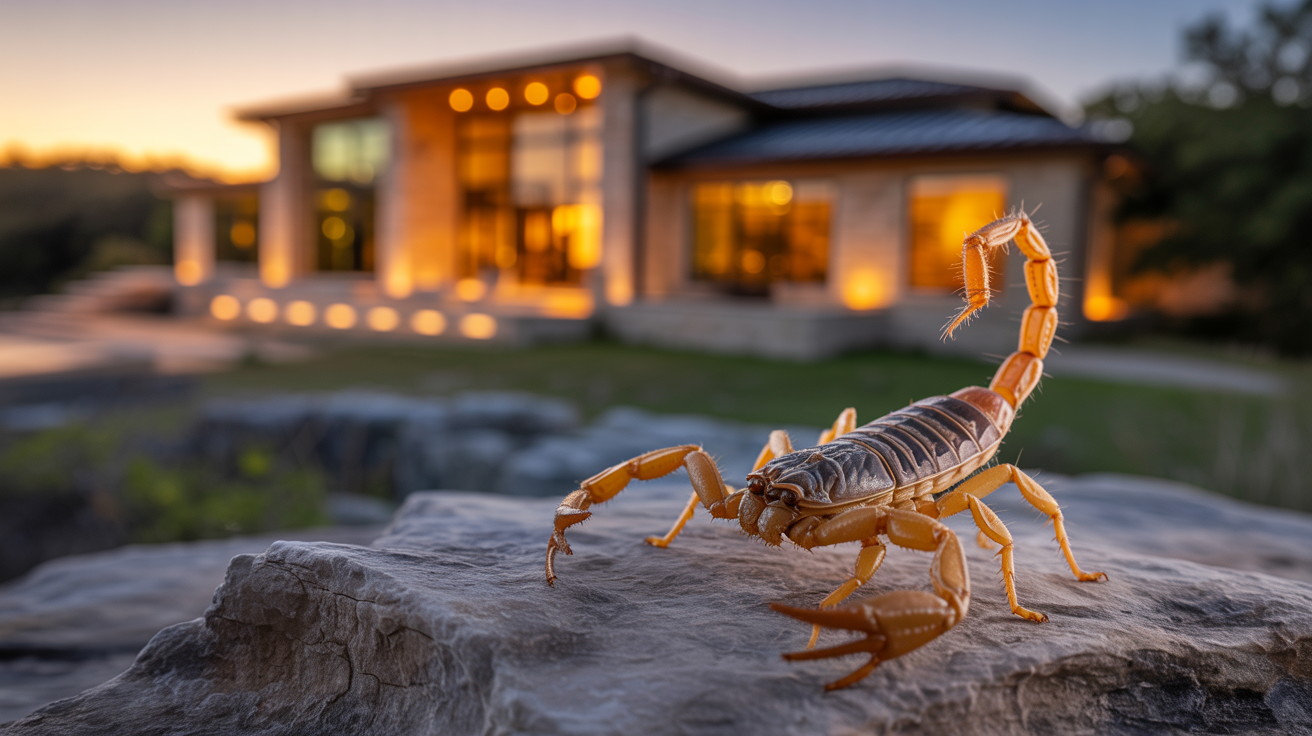
Scorpions are a significant concern for residents in Austin, particularly in areas like Westlake, Lakeway, and Steiner Ranch. This guide provides comprehensive insights into the scorpion issue, prevention methods, and professional control options available in the region. Understanding the ecological role of scorpions and the potential health impacts of their stings is crucial for effective management.
Author Bio: Ella Hansen is a pest control marketing specialist at Romex Pest Control who leverages in-house expertise and external industry resources to deliver actionable pest management content. Connect with Ella on LinkedIn.
Ready to Get Started?
Free quote • No obligation • Same-day service available
Scorpions in Austin: A Growing Concern
Encountering a scorpion in Austin's western hills or near the Balcones Escarpment is not uncommon. The striped bark scorpion (Centruroides vittatus) is prevalent in Central Texas, thriving in the limestone-rich areas of Austin. According to our FieldRoutes treatment data, scorpion-related service calls in the Austin metro have remained steady over the past 90 days, with activity concentrated in the western neighborhoods. This aligns with findings from the CDC that scorpions prefer environments with limestone and native brush.
Understanding Scorpion Habitats
Why Westlake, Lakeway & Steiner Ranch See More Scorpions
The geology of Austin's western edge, sitting on the Edwards Plateau, plays a significant role. This area is rich in Cretaceous-era limestone, providing ideal microhabitats for scorpions.
The Hill Country Scorpion Formula
- Limestone substrate: Bark scorpions can squeeze into tiny gaps, with limestone providing numerous hiding spots.
- New construction disturbance: Construction displaces scorpions, often leading them into new homes.
- Native vegetation: Juniper and live oak leaf litter offer perfect scorpion cover.
- Prey abundance: Crickets and roaches are plentiful, providing ample food for scorpions.
- Minimal natural predators: Suburban developments have fewer predators to control scorpion populations.
Scorpion Identification and Safety
How to Identify the Striped Bark Scorpion
The striped bark scorpion is the only medically significant scorpion in Central Texas. Recognizing it can help in taking appropriate actions.
| Feature | Striped Bark Scorpion |
|---|---|
| Size | 2–3 inches (adults) |
| Color | Yellowish-tan with two dark stripes down the back |
| Habitat | Under rocks, bark, lumber; inside garages, attics, shoes |
| Active period | Nocturnal — most active April through October |
| Sting severity | Painful but rarely dangerous in healthy adults. Seek medical attention for children under 5, elderly, or anyone showing systemic reactions. |
| UV glow | Bright blue-green under blacklight (key identification tool) |
Seasonal Scorpion Activity in Austin
Scorpions are active year-round in Central Texas, but there's a clear seasonal pattern:
- March–May: Activity ramps up as temperatures rise. Scorpions emerge from winter harborage to hunt.
- June–August: Peak season. Hot nights drive scorpions to seek cooler indoor shelter.
- September–October: Fall mating season increases movement.
- November–February: Activity decreases but doesn't stop. Scorpions shelter in attics, wall voids, and garages.
Prevention and Control Strategies
10 Prevention Tips for Hill Country Homeowners
- Seal foundation cracks: Use silicone caulk on any gap wider than 1/16 inch.
- Install door sweeps: A tight-fitting sweep closes the gap under doors.
- Clear debris from the foundation: Move firewood and rock piles away from the house.
- Trim vegetation: Keep shrubs and tree branches from touching the house.
- Reduce outdoor lighting: Switch to amber or yellow "bug" bulbs.
- Fix moisture sources: Repair leaky faucets and ensure proper drainage.
- Shake shoes and gloves: Before putting them on, especially if stored in the garage.
- Use sticky traps indoors: Place them along baseboards to monitor activity.
- Check attic insulation: Ensure screens are intact to prevent entry.
- Schedule professional perimeter treatment: A residual barrier around the foundation is effective.
Professional Scorpion Control for Austin Properties
DIY sprays often fail to solve scorpion problems. Romex Pest Control offers a comprehensive approach:
Our Austin Scorpion Protocol
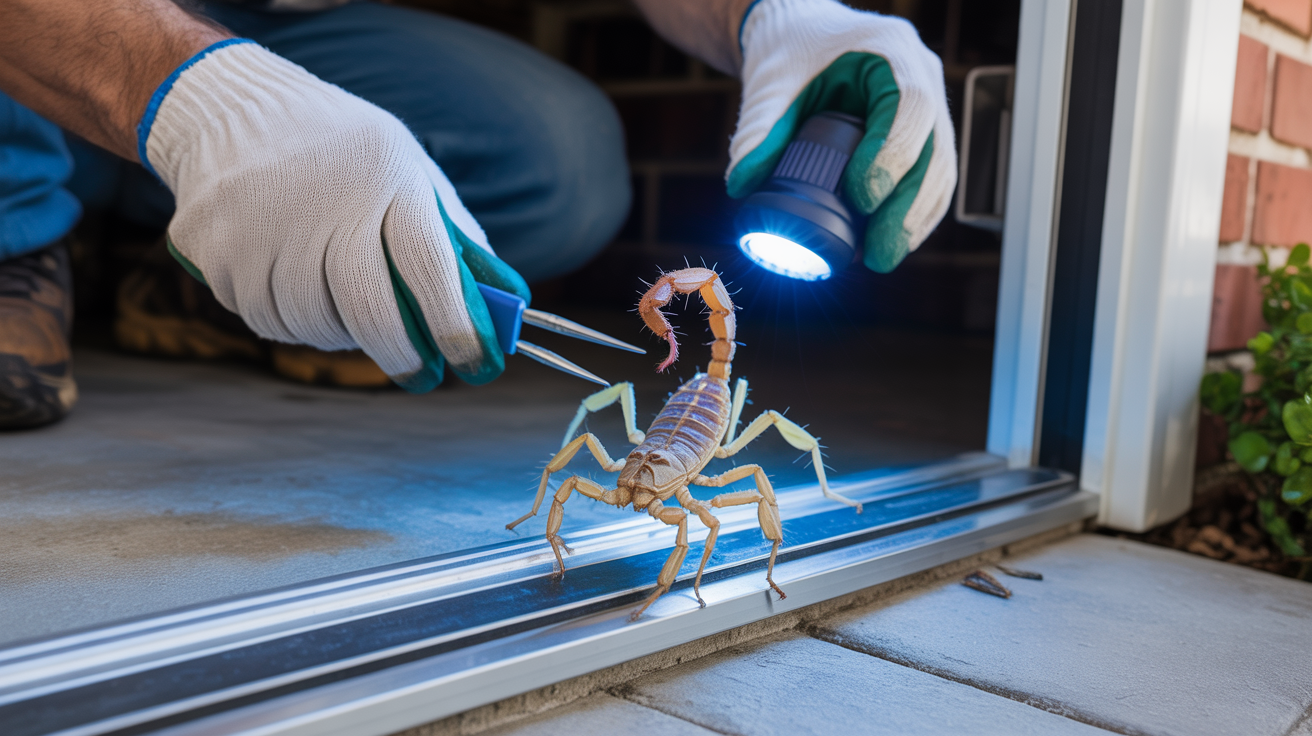
- Evening UV inspection: We use UV flashlights to identify scorpion entry points.
- Targeted perimeter treatment: Residual insecticide is applied to key areas.
- Interior crack-and-crevice treatment: Dust and residual products are used in strategic locations.
- Exclusion recommendations: We provide a sealing checklist to prevent entry.
- Recurring service: Regular treatments maintain an effective barrier.
We serve the full Austin metro including Westlake Hills, Lakeway, Bee Cave, Steiner Ranch, Spicewood, Dripping Springs, Cedar Park, Round Rock, and Pflugerville. Request a quote or call (844) 955-2447.
Company Background and Expertise
Romex Pest Control has been a trusted name in pest management for over a decade. Our team of certified technicians is trained in the latest pest control technologies and methods, ensuring effective and reliable service. We are proud members of the National Pest Management Association and have received numerous industry awards for our commitment to excellence.
Our founder, John Romex, holds a degree in Entomology from Texas A&M University and has over 20 years of experience in the pest control industry. His expertise and dedication to customer satisfaction have been instrumental in establishing Romex as a leader in pest management.
Community Involvement and Contributions
Romex Pest Control actively participates in local pest control initiatives and educational programs. We collaborate with community organizations to promote awareness about pest management and offer free workshops to educate residents on effective prevention strategies.
Frequently Asked Questions
Can scorpions climb walls?
Yes. Striped bark scorpions can climb stucco, brick, and stone walls easily.
Are Austin scorpions dangerous to dogs and cats?
Most healthy adult pets tolerate a bark scorpion sting with temporary pain and swelling. Contact your vet if you notice excessive drooling, vomiting, or lethargy.
Will scorpions go away on their own?
No. If your home is near limestone bedrock, professional exclusion and treatment are necessary.
Conclusion
Scorpions are a persistent issue in Austin, particularly in areas with limestone-rich environments. Understanding their behavior and habitat is crucial for effective prevention and control. Professional pest control services, like those offered by Romex, provide comprehensive solutions to protect your home and family from scorpions.