
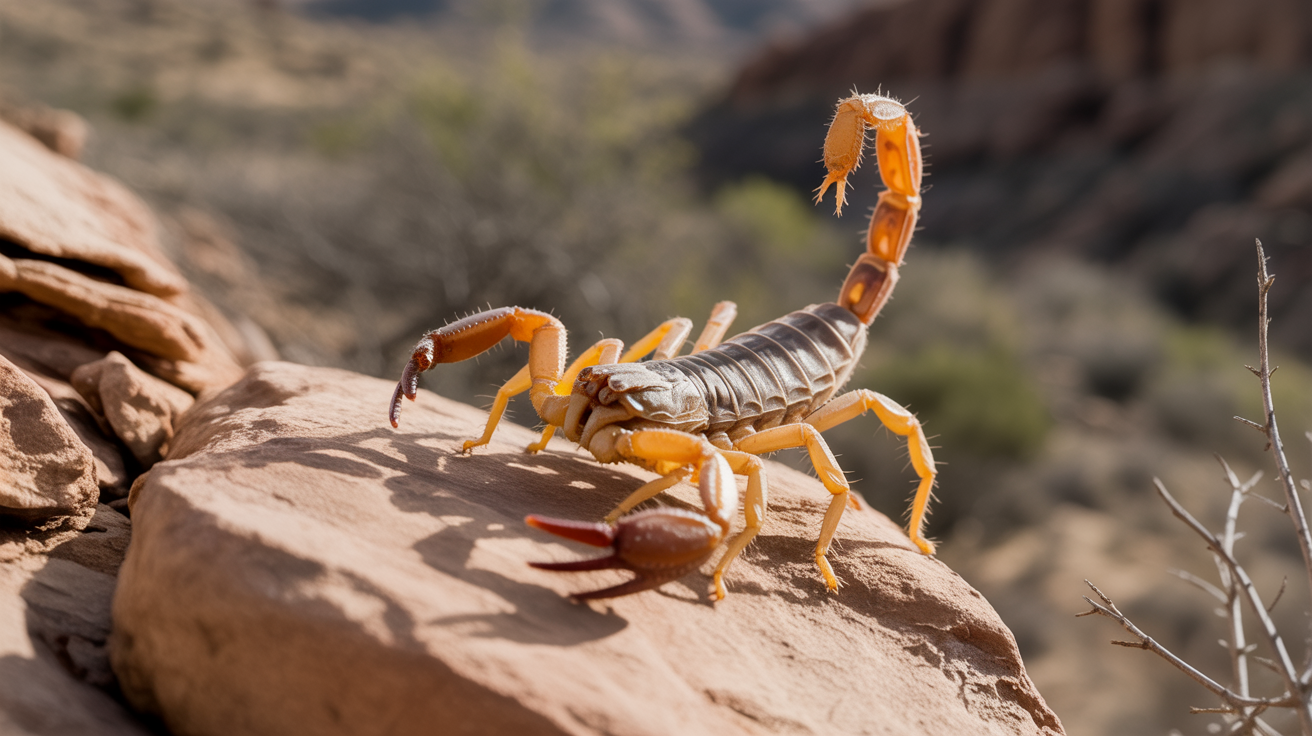
Complete Guide to Scorpions in Texas, Oklahoma, Louisiana & Mississippi: Identification, Biology & Prevention
Finding a scorpion in your home triggers an immediate mix of fear and questions: Is it dangerous? How did it get inside? Are there more? Across the South-Central states, scorpions are a reality homeowners must understand and prepare for. This comprehensive guide provides the scientific facts, regional insights, and actionable prevention strategies you need to protect your family.
Ready to Get Started?
Free quote • No obligation • Same-day service available
Scorpion Species by Region: What You're Actually Dealing With
Texas: The Striped Bark Scorpion Dominates
Texas hosts 18 documented scorpion species, but the Striped Bark Scorpion (Centruroides vittatus) accounts for 95% of human encounters. According to Texas A&M AgriLife Extension, this species ranges throughout the entire state but shows distinct population density patterns:
- Highest populations: Central Texas Hill Country (Austin region) and North-Central Texas (DFW area)
- Moderate populations: East Texas (Tyler region) and South Texas (San Antonio area)
- Peak activity: April through October, with June-August being prime encounter months
The Striped Bark Scorpion measures 1-3 inches long with distinctive dark stripes running down its back. Its venom causes localized pain, numbness, and swelling lasting 24-48 hours in healthy adults. However, children under 10, adults over 65, and individuals with compromised immune systems may experience more severe reactions requiring medical attention.
Oklahoma: Similar Species, Different Densities
Oklahoma shares the Striped Bark Scorpion with Texas but in lower concentrations. Oklahoma State University Extension data shows populations concentrated in:
- South-central counties (Oklahoma City metro area)
- Northeastern regions (Tulsa area)
- Rocky, limestone-rich soils that provide ideal hiding spots
Oklahoma's shorter warm season means scorpion activity compresses into a May-September window, with peak encounters in July and August.
Louisiana & Mississippi: Coastal Considerations
The Gulf Coast regions of Louisiana and Mississippi host smaller scorpion populations, primarily the Southern Devil Scorpion (Vaejovis carolinianus) and occasional Striped Bark Scorpions. The high humidity actually works against scorpions, as they prefer drier environments. However, homes with good drainage, elevated foundations, and landscaping that creates dry microclimates can still experience problems.
Scorpion Biology: Understanding Your Opponent
Why Scorpions Enter Homes
Scorpions don't actively seek out human dwellings—they follow three basic needs:
- Water: Despite their desert reputation, scorpions need moisture. Leaky pipes, pet water bowls, and HVAC condensation attract them indoors.
- Food: They hunt insects, spiders, and other small arthropods. Homes with existing pest problems become scorpion magnets.
- Shelter: Scorpions are thigmotactic—they prefer tight spaces where their bodies touch multiple surfaces. Gaps under doors, cracks in foundations, and spaces behind appliances provide ideal hiding spots.
Seasonal Activity Patterns
Understanding scorpion behavior throughout the year helps homeowners prepare:
| Season | Activity Level | Behavior | Home Risk |
|---|---|---|---|
| Winter (Dec-Feb) | Dormant | Hide in deep crevices, under rocks | Low |
| Spring (Mar-May) | Emerging | Begin hunting, mating season starts | Moderate |
| Summer (Jun-Aug) | Peak Activity | Active hunting, seeking water/shelter | High |
| Fall (Sep-Nov) | Preparing for Winter | Final feeding, seeking winter shelter | Moderate-High |
Immediate Action Plan: What to Do Right Now
Tonight: Emergency Inspection Protocol
If you've found one scorpion, assume there are others. Here's your immediate action checklist:
- UV Light Sweep: After dark, use a UV flashlight to scan your home's perimeter, especially near entry points. Check within 10 feet of your foundation.
- Seal Entry Points: Use caulk or expanding foam to seal gaps around pipes, cables, and utility lines entering your home.
- Remove Water Sources: Fix leaky faucets, empty pet water bowls overnight, and ensure proper drainage around your foundation.
- Clear Hiding Spots: Remove shoes, clothing, and towels left on floors. Shake out bedding before use.
This Weekend: Comprehensive Prevention Setup
Exterior Modifications
- Create a Barrier Zone: Maintain a 3-foot gravel or rock strip around your home's perimeter. Scorpions avoid crossing open areas.
- Trim Vegetation: Keep plants at least 2 feet from your foundation. Remove dead plant material where scorpions hide.
- Address Moisture Issues: Ensure gutters drain properly and grade soil away from your foundation.
- Install Door Sweeps: Use rubber sweeps with no gaps. Scorpions can squeeze through spaces as thin as a credit card.
Interior Modifications
- Reduce Clutter: Minimize storage in basements, attics, and closets where scorpions hide.
- Vacuum Regularly: Remove potential prey insects that attract scorpions.
- Check Plumbing: Repair leaks and improve ventilation in humid areas like bathrooms and laundry rooms.
Regional Climate Factors Affecting Scorpion Behavior
Texas Heat and Drought Cycles
Texas's extreme weather patterns significantly impact scorpion activity. During drought periods, scorpions venture farther from their usual territories seeking water, increasing home invasions. The state's limestone geology creates numerous natural hiding spots, supporting larger populations than neighboring states.
Oklahoma's Temperature Extremes
Oklahoma's harsh winters naturally control scorpion populations, but survivors emerge hungry and active in spring. The state's red clay soil retains moisture differently than Texas limestone, creating distinct microhabitats that influence where scorpions concentrate.
Gulf Coast Humidity Challenges
While Louisiana and Mississippi's humidity generally discourages scorpions, air conditioning creates artificial dry zones that can support small populations. Coastal storms and flooding can drive scorpions to seek higher, drier ground—often leading them toward homes.
When DIY Isn't Enough: Recognizing Professional-Level Problems
While prevention measures work for most homeowners, certain situations require professional scorpion control:
- Multiple encounters: Finding more than 2-3 scorpions monthly indicates an established population
- Indoor breeding: Discovering baby scorpions inside your home
- High-risk family members: Households with young children, elderly residents, or individuals with allergies
- Construction disturbance: New building or landscaping that disrupts existing scorpion habitats
Sting Treatment and Medical Considerations
Most Striped Bark Scorpion stings cause temporary discomfort, but proper treatment minimizes complications:
Immediate Care
- Clean the sting site with soap and water
- Apply ice wrapped in cloth for 10-15 minutes
- Take over-the-counter pain relievers as directed
- Monitor for allergic reactions
Frequently Asked Questions
Are scorpions in Texas dangerous?
Most scorpions in Texas, including the Striped Bark Scorpion, are not life-threatening to healthy adults but can cause painful stings.
How can I prevent scorpions from entering my home?
Seal entry points, reduce moisture and clutter, and maintain a barrier zone around your home.
When should I call a professional?
If you experience multiple scorpion encounters or have vulnerable family members, professional intervention is recommended.
For more information on our services, visit Romex Pest Control's Scorpion Control page.