
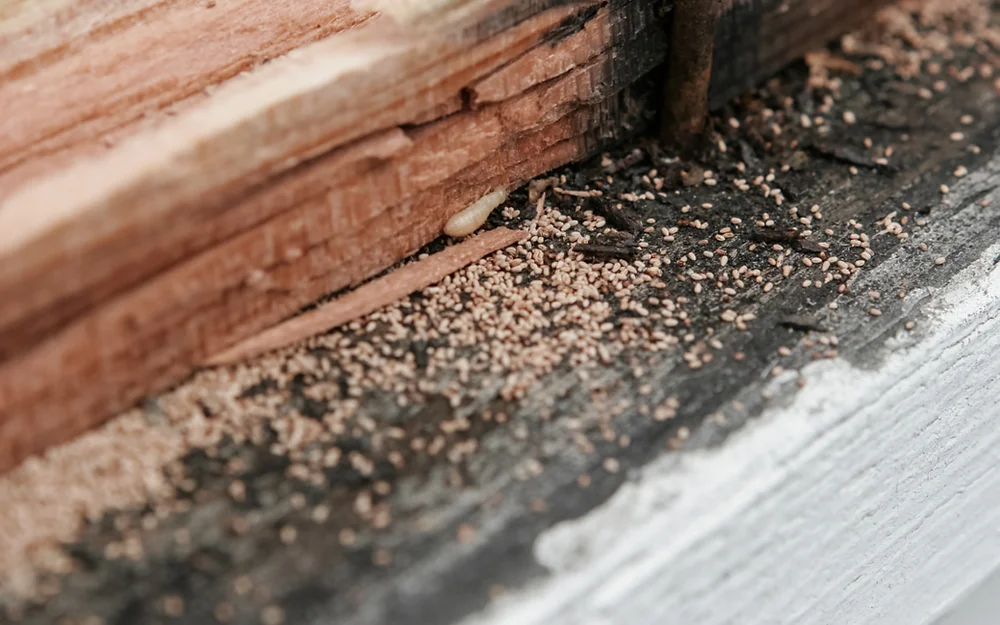
⚠️ Critical Warning
According to Texas A&M AgriLife Extension, Texas ranks #2 nationally for termite pressure, with subterranean termites causing over $2 billion in property damage annually across the state. Early detection can save you thousands in repair costs.
As a Texas homeowner, the question isn't whether termites are in your area—it's whether they've found your home yet. Subterranean termites are the most destructive wood-destroying insects in Texas, and their underground lifestyle makes them masters of stealth until significant damage has already occurred.
After years of termite inspections across the DFW, Austin, and San Antonio regions, I've learned that most homeowners miss the early warning signs because they're looking for the wrong things. This comprehensive guide will teach you exactly what to watch for and, more importantly, what you can do starting today to protect your investment.
Understanding Texas Subterranean Termites: Know Your Enemy
Texas is home to several subterranean termite species, but the most destructive are the Eastern Subterranean Termite (Reticulitermes flavipes) and the Formosan Subterranean Termite (Coptotermes formosanus). The Formosan species, particularly prevalent in East Texas and Louisiana, is especially aggressive—a single colony can contain several million termites compared to the 60,000-200,000 in Eastern Subterranean colonies.
The Termite Lifecycle: Why Timing Matters
Understanding the termite lifecycle helps explain why you see certain signs at specific times:
- Workers: The destructive force, active year-round in Texas's mild climate
- Soldiers: Defend the colony, rarely seen unless you disturb an active feeding site
- Reproductives (Swarmers): Emerge March through May in Texas to establish new colonies
The EPA reports that termite damage often goes unnoticed for 3-8 years because workers avoid light and work behind wood surfaces, inside walls, and underground.
Ready to Get Started?
Free quote • No obligation • Same-day service available
Early Warning Signs: What Texas Homeowners Actually See
Forget the generic advice about "hollowed wood sounds." By the time wood sounds hollow, you're looking at thousands in damage. Here are the real early warning signs I've observed in Texas homes:
1. Mud Tubes: The Most Reliable Indicator
Subterranean termites build pencil-thick mud tubes to travel between soil and wood while maintaining the humid environment they need to survive. In Texas, look for these in specific locations:
- Foundation walls: Check where concrete meets soil, especially after rain
- Pier and beam foundations: Extremely common in older Texas homes
- Garage foundations: Often overlooked but frequently infested
- Basement walls: Rare in Texas but check if you have one
2. Swarmer Activity: Texas Termite Season
Texas termite swarms typically occur March through May, triggered by warm temperatures and spring rains. University of Florida research shows swarmers are attracted to light sources, so you'll often find:
- Discarded wings near windows, doors, or light fixtures
- Dead swarmers in spider webs around exterior lights
- Live swarmers emerging from soil near your foundation
Critical distinction: Termite swarmers have straight antennae and equal-length wings. Flying ants have elbowed antennae and unequal wings. Misidentification is common and costly.
3. Structural Changes You Can Spot
These signs indicate active feeding and require immediate professional assessment:
- Tight-fitting doors or windows: Termite damage can cause warping
- Sagging floors or ceilings: Advanced damage to support structures
- Small holes in drywall: Exit points for swarmers (different from nail holes)
- Cracked paint or plaster: Can indicate moisture from termite activity
Texas-Specific Risk Factors: Why Location Matters
Texas A&M AgriLife Extension identifies several factors that make Texas properties particularly vulnerable:
Climate Advantages for Termites
| Region | Primary Species | Peak Activity | Risk Level |
|---|---|---|---|
| DFW Metroplex | Eastern Subterranean | March-May | High |
| Austin/San Antonio | Eastern Subterranean | February-June | Very High |
| East Texas/Tyler | Formosan + Eastern | Year-round | Extreme |
Construction Factors That Increase Risk
Certain Texas building practices create termite vulnerabilities:
- Pier and beam foundations: Common in pre-1960s homes, create easy access points
- Cedar posts: Traditional Texas construction material, highly attractive to termites
- Decorative wood mulch: Retains moisture and provides food source near foundations
- Irrigation systems: Create consistent moisture that attracts colonies
Actionable Prevention: Steps You Can Take Today
While professional treatment is ultimately necessary for active infestations, these prevention measures can significantly reduce your risk:
Moisture Control (Most Important)
Termites need moisture to survive. Eliminate water sources around your foundation:
- Fix leaky faucets and irrigation: Even small drips create termite-friendly conditions
- Improve drainage: Ensure water flows away from your foundation
- Clean gutters regularly: Clogged gutters create moisture problems
- Use dehumidifiers: Keep crawl spaces below 50% humidity
Wood-to-Soil Contact Elimination
Remove direct pathways between soil and structural wood:
- Maintain 6-inch clearance: Keep mulch, soil, and plants away from siding
- Remove wood debris: Old stumps, construction lumber, and firewood near foundations
- Replace wooden fence posts: Use metal or concrete alternatives in soil contact
- Trim vegetation: Ensure plants do not touch the structure