
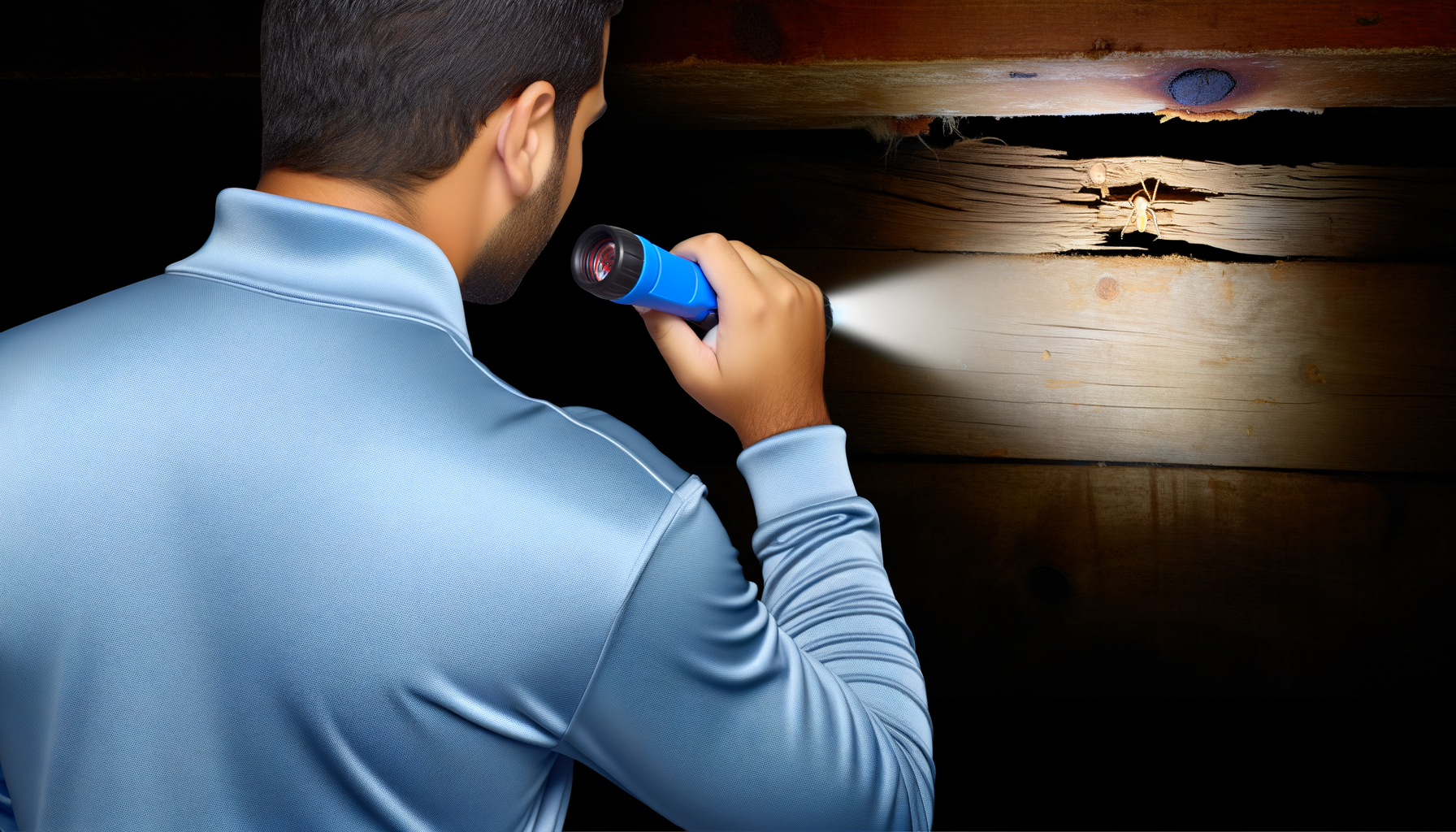
Understanding Pre-Treatment Requirements by State
New construction termite pre-treatment is not just a recommendation—it is often a legal requirement that protects both homeowners and lenders. Each state in our service region has specific regulations governing when and how pre-treatment must be applied, with requirements varying significantly based on local termite pressure and climate conditions.
Texas Pre-Treatment Regulations
The Texas Structural Pest Control Service mandates termite pre-treatment for most new residential and commercial constructions. According to Texas Administrative Code Title 4, Chapter 7, pre-treatment is mandatory when:
- The structure will have wood components within 18 inches of soil grade
- Construction occurs in areas with known subterranean termite activity
- The building will have a concrete slab foundation (most common in Texas)
- Local building codes specifically require treatment
Texas regulations specify that treatments must be applied by licensed pest control operators and documented with proper certificates that become part of the building's permanent record. Learn more about our Texas services.
Oklahoma, Louisiana, and Mississippi Requirements
Oklahoma follows similar protocols to Texas, with the Oklahoma Department of Agriculture requiring pre-treatment in high-risk areas. Louisiana's Department of Agriculture and Forestry mandates pre-treatment statewide due to the intense Formosan termite pressure in the Gulf Coast region. Mississippi requires pre-treatment for most new construction, with particularly strict enforcement along the Gulf Coast where both native subterranean and Formosan termites pose significant threats. Explore our Oklahoma services.
Ready to Get Started?
Free quote • No obligation • Same-day service available
The Science Behind Pre-Treatment Timing
Understanding when to apply pre-treatment requires knowledge of termite biology and construction phases. Subterranean termites, the primary concern in our region, live in underground colonies that can contain hundreds of thousands of individuals. These colonies send out foraging parties that can travel up to 300 feet from the nest, actively seeking cellulose-rich materials.
The critical window for pre-treatment application occurs after the foundation is poured but before the concrete slab is placed. During this phase, the soil around and under the foundation is treated with liquid termiticide, creating a chemical barrier that remains effective for 5-10 years depending on soil conditions and product used.
Climate Factors Affecting Treatment Efficacy
Our service region's climate significantly impacts both termite activity and treatment longevity. Texas's varied climate zones—from the humid East Texas pine forests to the arid West Texas plains—create different termite pressures. The DFW region experiences moderate termite activity year-round, while East Texas near Tyler sees peak activity during spring and fall moisture periods.
Louisiana's subtropical climate creates ideal conditions for both native subterranean termites and the more aggressive Formosan termites. The New Orleans area, in particular, requires enhanced pre-treatment protocols due to the presence of Formosan termites, which can establish aerial colonies and are more resistant to traditional treatments.
Pre-Treatment Methods and Materials
Modern pre-treatment relies on liquid termiticides applied to soil before concrete placement. The most commonly used products include:
Non-Repellent Termiticides
Products containing fipronil or imidacloprid work by allowing termites to contact the treated soil without detecting the chemical. Termites then transfer the active ingredient back to the colony through grooming and feeding behaviors, eventually eliminating the entire colony.
Repellent Termiticides
Bifenthrin-based products create a detectable barrier that termites avoid. While effective at preventing entry, these products don't eliminate existing colonies and may cause termites to find alternative entry points.
Application Standards
According to EPA guidelines and state regulations, pre-treatment applications must achieve:
- Complete soil saturation to a depth of 6 inches
- Treatment of all soil within the foundation perimeter
- Special attention to areas where utilities penetrate the foundation
- Proper dilution rates as specified on the product label
- Application by certified technicians using calibrated equipment
| Treatment Area | Application Rate | Coverage Depth |
|---|---|---|
| Foundation perimeter | 4 gallons per 10 linear feet | 6 inches minimum |
| Under slab | 1 gallon per 10 square feet | Complete saturation |
| Utility penetrations | 2 gallons per penetration | 18 inches around opening |
Cost Analysis and Long-Term Value
Pre-treatment costs typically range from $0.75 to $2.00 per square foot of foundation area, depending on the product used, soil conditions, and regional labor costs. For a typical 2,000 square foot home, expect costs between $1,500 and $4,000.
This investment becomes significant when compared to remedial treatment costs. According to the National Pest Management Association, the average cost to treat an active termite infestation ranges from $3,000 to $8,000, not including repair costs for structural damage.
Regional Cost Variations
Costs vary across our service areas due to different termite pressures and local market conditions:
- Texas (DFW, Austin, San Antonio): Moderate costs due to competitive market and standard termite pressure
- East Texas (Tyler region): Slightly higher due to increased moisture and termite activity
- Louisiana (New Orleans, Slidell): Premium costs due to Formosan termite requirements
- Oklahoma (OKC, Tulsa, Edmond): Lower costs but increasing due to climate change effects
- Mississippi Gulf Coast: Higher costs due to dual termite species pressure
What Homeowners Can Do During Construction
While pre-treatment requires professional application, informed homeowners can take several steps to ensure proper treatment and long-term protection:
Before Construction Begins
- Verify that your builder includes pre-treatment in the construction contract
- Request documentation showing the pest control company is licensed in your state
- Ask for a copy of the treatment certificate and warranty details
- Ensure the treatment company provides a diagram showing treated areas
During the Pre-Treatment Process
- Verify that treatment occurs after plumbing rough-in but before concrete placement
- Document weather conditions—treatment should not occur during rain or when rain is forecast within 24 hours
- Take photos of the treatment application for your records
- Ensure all soil disturbance is completed before treatment
Post-Treatment Monitoring
Even with proper pre-treatment, ongoing vigilance is essential. Homeowners should:
- Conduct annual inspections around the foundation perimeter
- Look for mud tubes, discarded wings, or wood damage
- Maintain proper drainage away from the foundation
- Keep mulch and wood debris away from the structure
- Schedule professional inspections every 2-3 years
Common Pre-Treatment Problems and Solutions
Despite regulations and best practices, pre-treatment failures can occur. Understanding common issues helps homeowners identify potential problems early:
Inadequate Soil Preparation
Rocky or heavily compacted soil can prevent proper chemical penetration. This is particularly common in parts of Texas where caliche or limestone is present near the surface. Solutions include mechanical soil treatment or alternative application methods.
Weather-Related Issues
Rain within 24 hours of treatment can dilute the termiticide, reducing its effectiveness. It's crucial to monitor weather forecasts and reschedule treatments if necessary.
Improper Application Techniques
Ensuring that certified technicians use calibrated equipment and follow label instructions is key to successful pre-treatment. Regular training and adherence to industry standards are essential.
Frequently Asked Questions
What is the best time for termite pre-treatment?
The ideal time for pre-treatment is after the foundation is poured but before the concrete slab is placed.
How long does termite pre-treatment last?
Depending on soil conditions and the product used, pre-treatment can last between 5 to 10 years.
Can I do termite pre-treatment myself?
No, termite pre-treatment should be performed by licensed professionals to ensure effectiveness and compliance with regulations.