
Discovering termite damage in your home ranks among every homeowner's worst nightmares—and for good reason. These silent destroyers cause over $5 billion in property damage annually in the United States, according to the Environmental Protection Agency (EPA). While traditional liquid barrier treatments focus on creating chemical perimeters, the Sentricon® Termite Colony Elimination System takes a fundamentally different approach: targeting and eliminating entire termite colonies at their source.
Unlike conventional treatments that merely repel or kill individual termites attempting to enter your home, Sentricon works by exploiting termites' natural foraging behavior to deliver a lethal blow to the entire colony structure. This comprehensive guide examines how this bait system technology works, its advantages and limitations, and what homeowners across the South should know about colony elimination strategies.
Understanding Termite Colony Biology: Why Traditional Barriers Fall Short
To understand why Sentricon represents a paradigm shift in termite control, you need to grasp the complex social structure of subterranean termite colonies. According to Texas A&M AgriLife Extension research, a mature termite colony can contain anywhere from 60,000 to over one million individuals, with the reproductive queen capable of laying up to 1,000 eggs per day.
The Colony Hierarchy
- Reproductive caste: King, queen, and supplementary reproductives
- Soldier caste: Defenders with enlarged heads and mandibles (2-3% of colony)
- Worker caste: Foragers, builders, and food processors (90-95% of colony)
The critical insight here is that worker termites are responsible for feeding the entire colony through trophallaxis—a process where they share partially digested cellulose with other colony members. This biological behavior becomes the Achilles' heel that bait systems exploit.
Ready to Get Started?
Free quote • No obligation • Same-day service available
How Sentricon® Colony Elimination Technology Works
The Sentricon system operates on a deceptively simple principle: termites prefer certain wood types over others when given a choice. University of Florida entomology research has demonstrated that termites show strong preferences for specific cellulose sources, and Sentricon exploits this preference hierarchy.
The Four-Phase Process
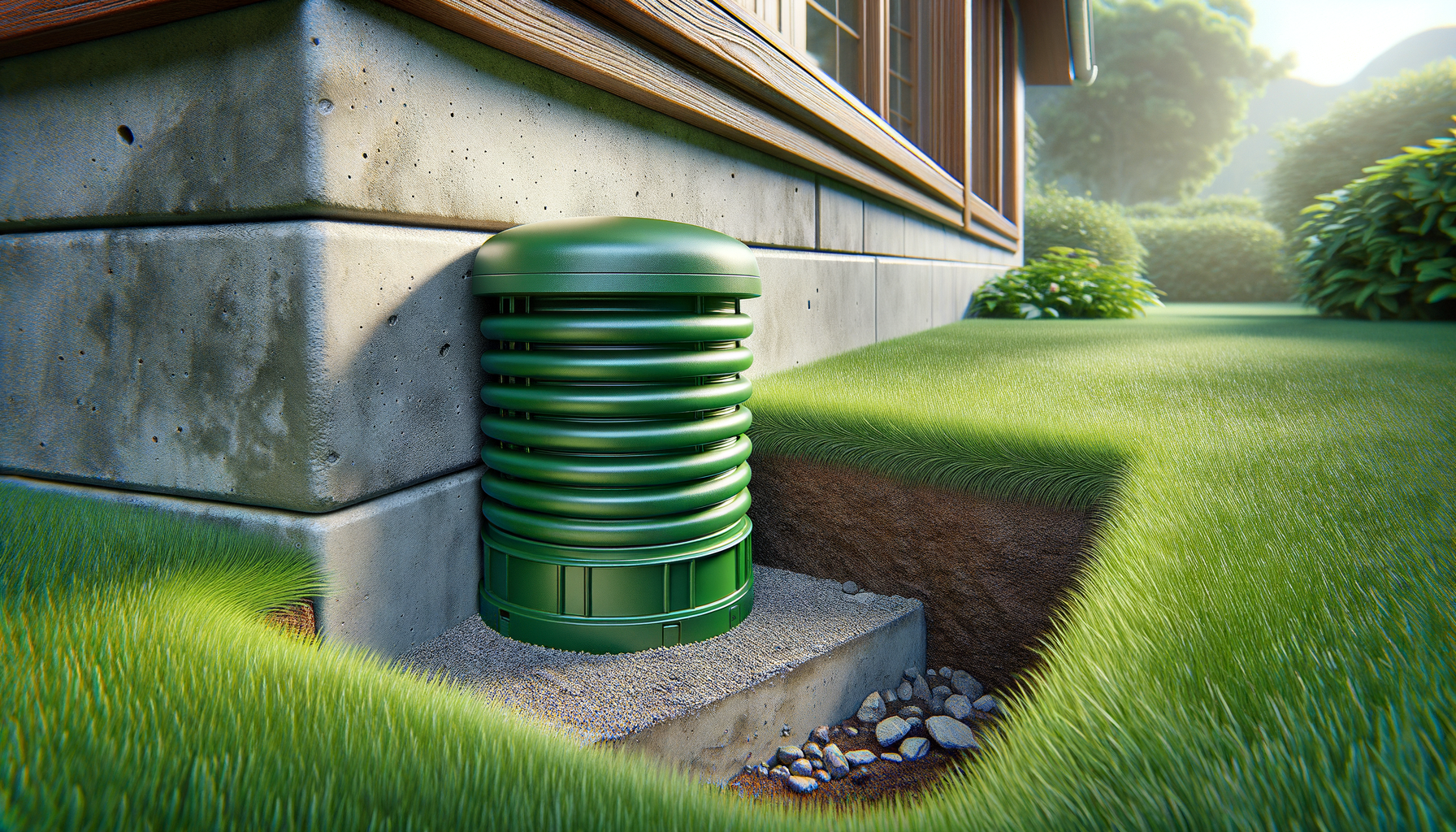
- Station Installation: Bait stations containing monitoring devices are installed every 10-20 feet around your home's perimeter, creating a defensive perimeter
- Foraging Interception: Worker termites discover the monitoring stations during their natural foraging activities
- Bait Deployment: Once termite activity is detected, monitoring devices are replaced with Recruit® HD bait containing noviflumuron, a chitin synthesis inhibitor
- Colony Elimination: Workers carry the bait back to the colony, sharing it through trophallaxis and ultimately reaching the queen
The Science Behind Noviflumuron
Noviflumuron, the active ingredient in Sentricon bait, belongs to a class of compounds called benzoylureas. These chemicals specifically target chitin synthesis—the process by which insects form their exoskeletons. When termites consume noviflumuron, they cannot successfully molt during their natural growth cycles, leading to death.
Crucially, noviflumuron works slowly enough that affected termites return to the colony and share contaminated food before dying, ensuring maximum distribution throughout the colony hierarchy. EPA studies indicate that this delayed-action mechanism is essential for reaching reproductive castes deep within the colony structure.
Sentricon vs. Liquid Barrier Treatments: A Comparative Analysis
| Factor | Sentricon Bait System | Liquid Barrier Treatment |
|---|---|---|
| Target | Entire colony elimination | Individual termite mortality |
| Installation disruption | Minimal landscape disturbance | Trenching around foundation |
| Retreatment needs | Ongoing monitoring required | 5-10 year soil treatments |
| Environmental impact | Targeted bait consumption only | Continuous soil saturation |
| Effectiveness timeline | 3-6 months for colony elimination | Immediate barrier protection |
Regional Considerations for Southern States
In Texas, Oklahoma, Louisiana, and Mississippi, subterranean termites remain active year-round due to mild winter temperatures. This extended activity period makes bait systems particularly effective, as foraging continues even during cooler months when northern colonies might become dormant.
Texas A&M research specifically notes that Eastern subterranean termites (Reticulitermes flavipes) and Formosan subterranean termites (Coptotermes formosanus) both respond well to bait system technology, though Formosan colonies may require longer elimination timeframes due to their larger size and multiple reproductive centers.
Installation and Maintenance Requirements
Professional Installation Standards
Proper Sentricon installation requires extensive site evaluation and technical expertise. Professional technicians must:
- Conduct thorough property inspections to identify conducive conditions
- Map underground utilities to avoid installation conflicts
- Position stations based on termite biology and property-specific risk factors
- Establish monitoring schedules appropriate for local termite activity patterns
Ongoing Monitoring Protocols
Unlike "set-and-forget" liquid treatments, Sentricon requires regular professional monitoring. Industry standards recommend quarterly inspections during peak termite season (spring and fall) and semi-annual checks during cooler periods.
During each service visit, technicians examine station contents for termite activity, replace consumed bait materials, and assess overall system integrity. This ongoing relationship provides continuous protection but requires long-term service commitments.
What Homeowners Should Expect: Realistic Timelines and Outcomes
Setting appropriate expectations is crucial for homeowner satisfaction with bait system technology. Based on field data from across the southeastern United States:
Timeline for Results
- Initial activity detection: 2-6 months (highly variable based on colony proximity)
- Active feeding phase: 2-8 weeks once bait is deployed
- Colony elimination: 3-12 months from initial bait consumption
Success Indicators
Homeowners often ask how they'll know the system is working. Unlike liquid treatments where dead termites might be visible, bait system success is measured by the absence of activity over time. Professional monitoring data provides the primary evidence of colony elimination.
Cost-Benefit Analysis: Investment vs. Protection Value
Sentricon systems typically require higher upfront investment compared to liquid barrier treatments, but the total cost of ownership tells a more complex story. Consider these factors:
Direct Costs
- Initial installation and first-year monitoring
- Annual monitoring and maintenance fees
- Bait replacement costs when colonies are actively feeding
Indirect Benefits
- Reduced landscape disruption during installation
- Lower environmental chemical load around home foundation
- Potential for complete colony elimination rather than ongoing management
- Transferable protection value for home resale
University extension economists note that termite damage costs often exceed $3,000-$8,000 per incident, making preventive treatment investments economically rational for most homeowners.
FAQ: Common Termite Concerns
- How often should Sentricon stations be checked?
- Sentricon stations should be checked quarterly during peak termite seasons and semi-annually during cooler months to ensure ongoing protection.
- What types of termites are most common in the Southern U.S.?
- Eastern subterranean termites and Formosan subterranean termites are the most prevalent in states like Texas, Louisiana, Oklahoma, and Mississippi.
- Can Sentricon protect against all types of termites?
- Sentricon is effective against subterranean termites but does not protect against drywood termites, which require different treatment strategies.