
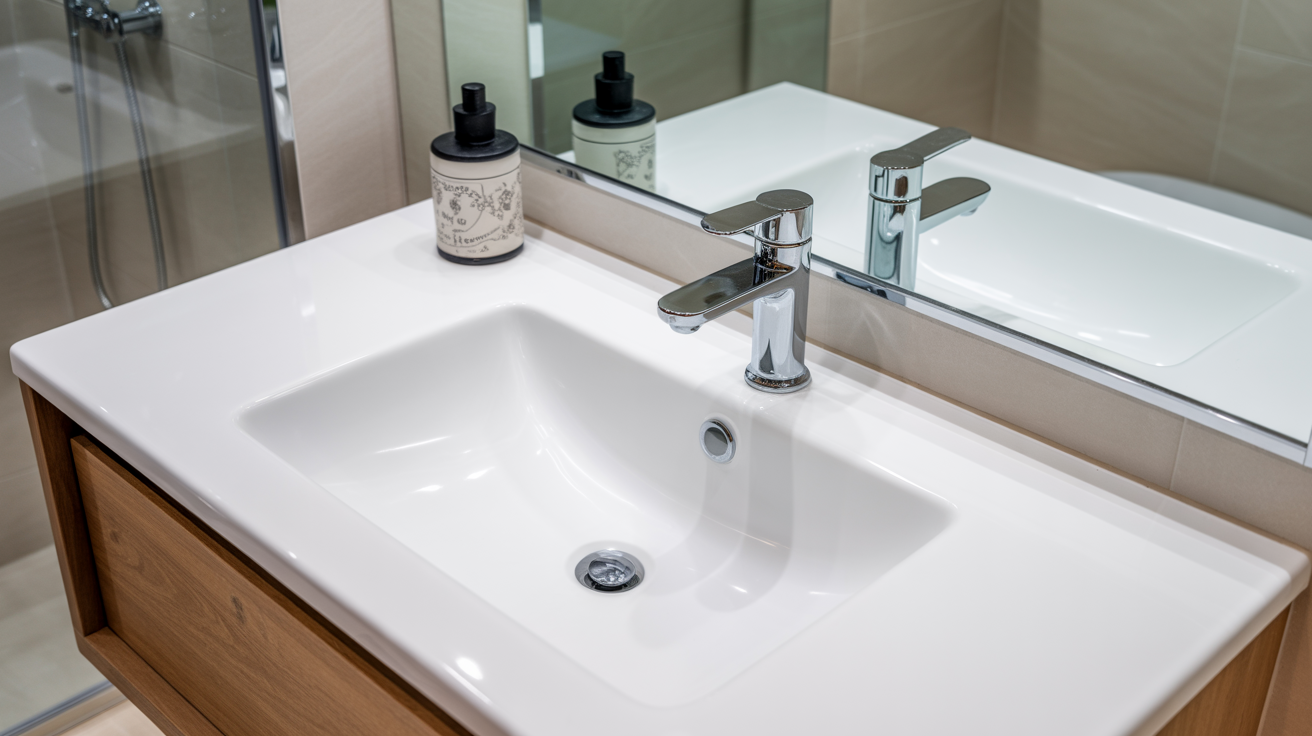
Imagine this: you walk into your bathroom at night, flip on the light, and suddenly tiny, fuzzy flies scatter from around your sink drain. If this scenario sounds familiar, you're likely dealing with drain flies—one of the most persistent yet misunderstood household pests. Unlike fruit flies that hover around your kitchen bananas, these moth-like insects have made your plumbing their permanent residence.
The frustrating truth about drain flies is that surface cleaning won't eliminate them. They're breeding in the biofilm deep within your drains, and without targeting their actual breeding sites, you'll see new generations emerging every 7-15 days. This comprehensive guide will teach you exactly how to identify, eliminate, and prevent drain flies using methods that actually work long-term.
Precise Identification: Drain Flies vs. Other Small Flies
Accurate identification is crucial because drain flies require completely different elimination strategies than fruit flies, gnats, or other small flying insects.
Physical Characteristics
- Size: 1/8 to 1/4 inch long (2-4mm)
- Wings: Broad, oval-shaped with dense hair that gives them a fuzzy, moth-like appearance
- Color: Light gray to tan, sometimes appearing almost white under certain lighting
- Body: Covered in fine hairs, giving them a "furry" texture
- Antennae: Long and thread-like, typically 13 segments
Behavioral Identification
Drain flies exhibit specific behaviors that distinguish them from other small flies:
- Flight pattern: Weak, erratic flight; they hop more than fly smoothly
- Resting position: Hold wings roof-like over their body when at rest
- Location preference: Found near drains, sewers, and damp areas—not around food
- Activity timing: Most active during evening and nighttime hours
- Surface behavior: Often seen walking on walls near water sources rather than flying
Comparison with Similar Pests
| Pest Type | Size | Wings | Primary Location | Attraction |
|---|---|---|---|---|
| Drain Flies | 1/8-1/4 inch | Fuzzy, broad | Drains, sewers | Organic matter in drains |
| Fruit Flies | 1/8 inch | Clear, narrow | Kitchen, dining areas | Fermenting fruit, alcohol |
| Fungus Gnats | 1/8 inch | Clear, long | Plant soil | Moist soil, decaying plant matter |
| Phorid Flies | 1/8 inch | Clear, short | Sewers, drains | Decaying organic matter |
Ready to Get Started?
Free quote • No obligation • Same-day service available
Understanding the Root Cause: Why Drain Flies Infest Your Home
The Biofilm Breeding Ground
Drain flies don't just visit your drains—they complete their entire life cycle there. Female drain flies lay 30-100 eggs in the gelatinous biofilm that accumulates on drain walls. This biofilm consists of:
- Bacterial colonies
- Soap scum and hair
- Food particles and grease
- Dead skin cells and organic debris
- Mineral deposits from hard water
According to research from the University of California's Integrated Pest Management program, this biofilm can develop in drains that appear clean on the surface but harbor substantial organic buildup just inches below the visible drain opening.
Life Cycle and Reproduction Timeline
Understanding their reproduction cycle explains why drain fly problems seem to persist despite surface cleaning efforts:
- Egg stage: 1-3 days (laid in biofilm)
- Larval stage: 8-24 days (feeding on biofilm bacteria)
- Pupal stage: 1-3 days
- Adult stage: 8-24 days (capable of reproduction after 2 days)
This means new adult flies can emerge every 10-30 days, creating the illusion that treatments aren't working when you're actually seeing new generations from eggs that were already laid.
Common Breeding Sites in Homes
- Bathroom drains: Shower, bathtub, and sink drains with hair and soap buildup
- Kitchen sinks: Especially garbage disposal units with food particle accumulation
- Basement floor drains: Often overlooked and rarely cleaned thoroughly
- Laundry room drains: Lint and detergent residue create ideal breeding conditions
- Air conditioning condensate drains: Constant moisture with organic debris
- Septic systems: Particularly where connections may have minor leaks
Comprehensive Elimination Strategy
Effective drain fly elimination requires destroying their breeding sites, not just killing visible adults. Here's a systematic approach that addresses the root cause:
Phase 1: Locate All Breeding Sites
- Tape test every drain: Place clear tape over all drains for 2-3 nights to identify active breeding sites
- Inspect hidden drains: Check basement floor drains, utility room drains, and outdoor drains near the home
- Examine AC systems: Look for standing water in condensate pans or clogged drain lines
- Check for leaks: Inspect under sinks, around toilets, and in crawl spaces for moisture sources
Phase 2: Mechanical Biofilm Removal
Chemical drain cleaners alone won't eliminate drain flies because they don't effectively remove biofilm. Physical removal is essential:
For Accessible Drains:
- Remove visible debris: Pull out hair, soap buildup, and surface materials
- Scrub with a drain brush: Use a long-handled brush to physically scrub drain walls 12-18 inches deep
- Apply enzyme cleaner: Use bacterial enzyme products specifically designed to break down biofilm
- Flush with hot water: Use the hottest water possible to remove loosened material
For Deep or Inaccessible Drains:
- Foaming drain cleaners: Products that expand to contact more surface area
- Drain snakes: Mechanical removal of deeper blockages and buildup
- Professional hydro-jetting: High-pressure water cleaning for severe infestations
Phase 3: Biological Treatment
Enzyme-based treatments work by introducing beneficial bacteria that consume the organic matter drain fly larvae feed on:
- Apply enzyme treatments weekly for 3-4 weeks
- Use products containing Bacillus bacteria strains
- Apply treatments in the evening when drains are less likely to be used
- Allow treatments to sit overnight without water flow when possible
Phase 4: Adult Population Control
While addressing breeding sites, reduce adult populations with:
- Sticky traps: Place near affected drains to monitor progress
- Vacuum removal: Physically remove adults resting on walls
- Targeted insecticide sprays: Apply to surfaces where adults rest, following EPA guidelines
Frequently Asked Questions
What are the health risks associated with drain flies?
While drain flies are not known to transmit diseases, they can carry bacteria from drains to surfaces in your home. According to the CDC, maintaining clean and dry environments can minimize these risks.
How does Romex Pest Control differ from competitors?
Romex Pest Control offers targeted treatments based on thorough inspections and uses professional-grade products approved by the EPA. Our technicians are trained to identify and treat specific pest issues, ensuring effective and lasting results.
Can I prevent drain flies on my own?
Regular cleaning and maintenance of drains can help prevent infestations. However, for persistent issues, professional services like those offered by Romex Pest Control are recommended to ensure comprehensive treatment.