
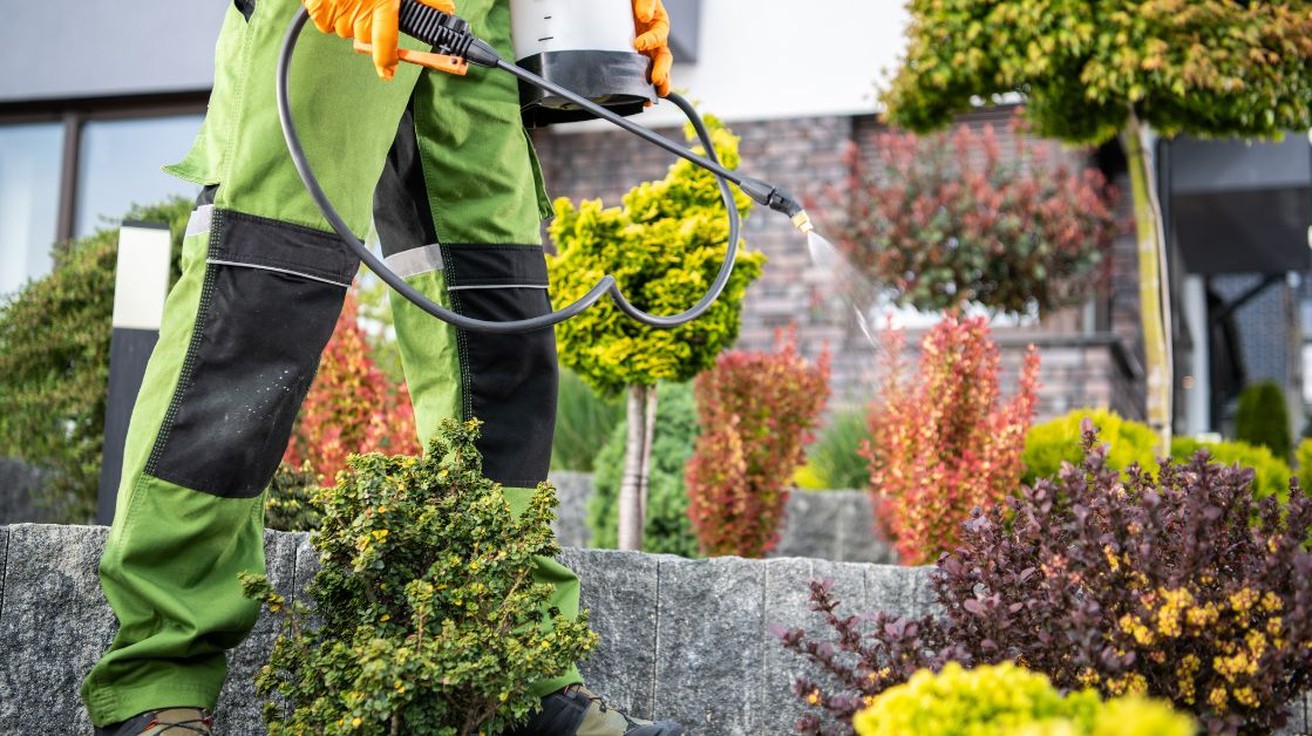
Smart Rodent Control: How Integrated Pest Management Protects Your Home Long-Term
When you hear scratching in the walls at 2 AM, your first instinct might be to grab the strongest rat poison you can find. But what if there's a smarter approach that not only eliminates current rodents but prevents future infestations while keeping your family and pets safer?
Integrated Pest Management (IPM) represents a science-based strategy that combines multiple control methods to manage rodent populations effectively. Unlike the "spray and pray" approach, IPM focuses on understanding why rodents invaded your home and addressing those root causes alongside targeted elimination methods.
Ready to Get Started?
Free quote • No obligation • Same-day service available
The Hidden Costs of Traditional "Quick Fix" Rodent Control
Most homeowners don't realize that conventional rodent control often creates a cycle of dependency. You kill the current rats, but within weeks or months, new ones move into the same entry points using the same food sources. According to the CDC, a single pair of rats can produce up to 2,000 offspring in one year under ideal conditions.
Traditional approaches also carry hidden risks:
- Secondary poisoning: Rodenticides can harm pets, children, and wildlife that consume poisoned rodents.
- Resistance development: Repeated use of the same products leads to resistant rodent populations.
- Incomplete elimination: Poison doesn't address entry points, so new rodents quickly replace eliminated ones.
- Dead rodent odors: Rats often die in inaccessible wall voids, creating lasting odor problems.
Core IPM Principles for Effective Rodent Management
Prevention: Your First Line of Defense
IPM prioritizes prevention because it's always more cost-effective than treatment. In our service areas across Texas, Oklahoma, Louisiana, and Mississippi, we observe consistent patterns in how rodents enter homes:
Structural exclusion points to address immediately:
- Gaps around utility penetrations (pipes, cables, vents)
- Damaged weatherstripping around doors and windows
- Holes in foundation walls or crawl space vents
- Gaps where different building materials meet
- Openings around roof vents and chimney areas
Habitat Modification: Removing Rodent Attractants
Rodents need three things to survive: food, water, and shelter. IPM systematically eliminates these attractants:
Food source elimination:
- Store dry goods in airtight containers (glass or heavy plastic)
- Clean up pet food immediately after feeding
- Remove fallen fruit from trees and gardens
- Secure garbage in tight-fitting lids
- Clean grease and food debris from grills and outdoor cooking areas
Water source reduction:
- Fix leaky pipes and faucets promptly
- Ensure proper drainage around your home's foundation
- Remove standing water from plant saucers and containers
- Address humidity issues in basements and crawl spaces
Shelter elimination:
- Remove debris piles and overgrown vegetation near your home
- Store firewood at least 20 feet from structures
- Eliminate clutter in garages, basements, and storage areas
- Trim tree branches that touch or overhang your roof
Monitoring: Early Detection Saves Money and Stress
Professional IPM programs include systematic monitoring to detect rodent activity before it becomes a major infestation. You can implement basic monitoring at home:
Visual inspection checklist (monthly):
- Check for droppings in cabinets, pantries, and storage areas
- Look for gnaw marks on food packaging or structural materials
- Inspect for grease marks along walls where rodents travel
- Watch for nesting materials in hidden areas
Simple monitoring tools:
- Rodenticide-free monitoring stations with attractants
- Tracking powder in suspected travel areas
- Motion-activated cameras in problem zones
Targeted Treatment: When and How to Act
When monitoring reveals rodent activity, IPM employs targeted treatment methods based on the specific situation:
Mechanical Control Methods
Snap traps remain highly effective when used correctly:
- Placement: Set traps perpendicular to walls where droppings are found
- Bait selection: Contrary to popular belief, peanut butter, dried fruit, or bacon work better than cheese
- Quantity: Use multiple traps (6-12 for a typical home) rather than just one or two
Strategic Use of Rodenticides
When rodenticides are necessary, IPM principles guide their use:
- Use tamper-resistant bait stations to protect non-target animals
- Select appropriate active ingredients based on target species
- Place stations strategically along known travel routes
- Monitor and maintain stations regularly
- Remove stations once activity ceases
The EPA emphasizes that rodenticides should be part of a comprehensive approach, not the sole control method.
Long-Term Benefits of IPM for Homeowners
Cost Savings Over Time
While IPM may require higher initial investment in exclusion work and monitoring, it reduces long-term costs by:
- Preventing recurring infestations
- Reducing property damage from rodent activity
- Minimizing health risks and associated medical costs
- Avoiding emergency pest control calls
Environmental and Health Protection
IPM significantly reduces pesticide use around your home, which means:
- Lower risk of accidental poisoning for children and pets
- Reduced impact on beneficial wildlife
- Less chemical residue in your living environment
- Decreased development of pesticide-resistant rodent populations
When to Call Professional Help
While homeowners can implement many IPM principles independently, certain situations require professional intervention:
- Large infestations (more than occasional droppings)
- Rodent activity in wall voids or inaccessible areas
- Structural modifications needed for exclusion
- Repeated infestations despite DIY efforts
- Presence of young children or pets requiring specialized safety considerations
Professional rat control services can provide comprehensive IPM implementation, including detailed inspection, exclusion work, and ongoing monitoring programs.
Seasonal IPM Strategies for Southern States
In Texas, Oklahoma, Louisiana, and Mississippi, rodent behavior follows predictable seasonal patterns:
Fall (September-November): Peak invasion period as rodents seek warm shelter. Focus on exclusion work before cold weather drives rodents indoors.
Winter (December-February): Maintain monitoring and address any indoor activity promptly. Check stored holiday decorations for signs of nesting.
Spring (March-May): Breeding season increases activity. Focus on habitat modification around your property.
Summer (June-August): High heat and humidity can drive rodents indoors. Ensure adequate exclusion around air conditioning units and utility penetrations.
Measuring IPM Success
Track your IPM program's effectiveness through:
- Reduced signs of rodent activity over time
- Decreased need for active control measures
- Lower property damage from rodent activity
- Fewer emergency situations requiring immediate intervention
Remember, successful IPM is measured not just by eliminating current rodents, but by preventing future infestations through systematic prevention and monitoring.
Author Information
Ella Hansen is a pest control marketing specialist at Romex Pest Control who leverages in-house expertise and external industry resources to deliver actionable pest management content. Her work focuses on educating homeowners about effective pest control strategies and promoting best practices in the industry.