
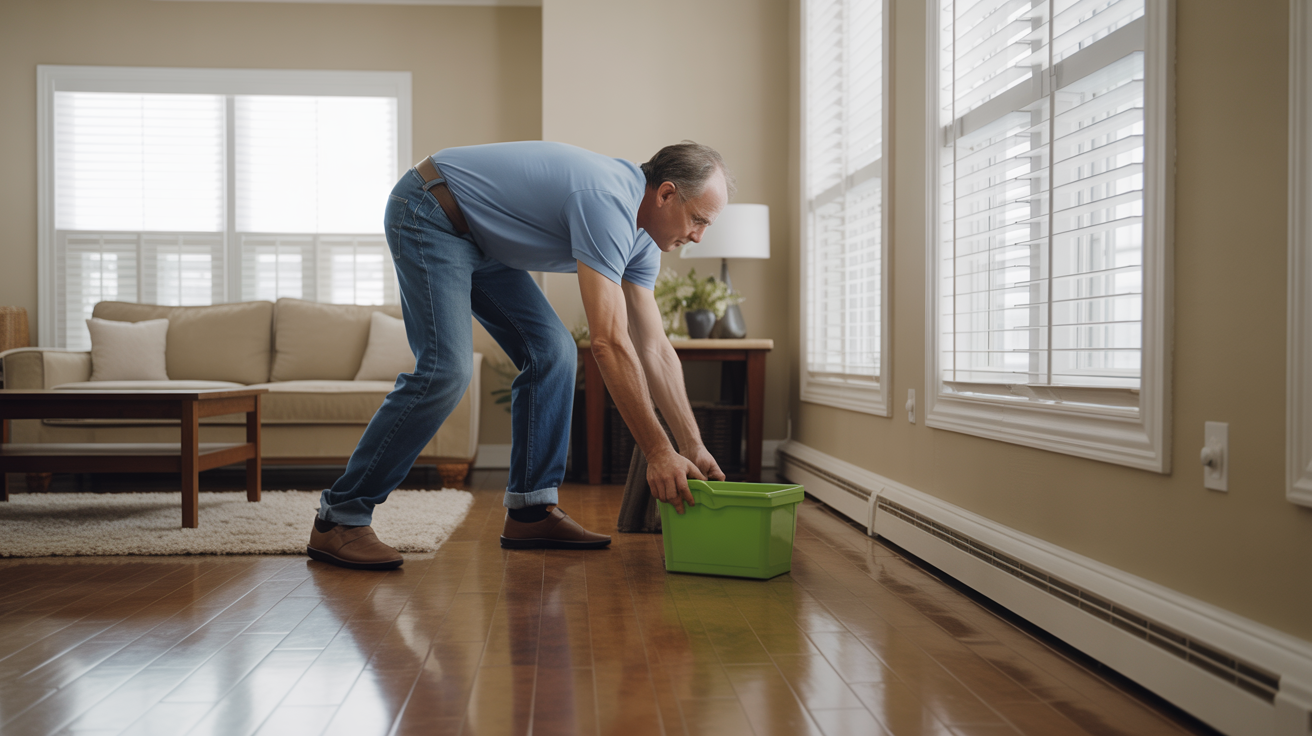
You've scheduled your pest control treatment, but your work isn't done yet. Proper preparation of your home is crucial for treatment effectiveness. Unfortunately, many homeowners unknowingly sabotage their own pest control efforts by skipping essential preparation steps.
After observing thousands of treatments across Texas, Oklahoma, Louisiana, and Mississippi, I've seen the same preparation mistakes cost homeowners hundreds of dollars in repeat treatments. The good news? Most preparation errors are completely preventable with the right knowledge.
Ready to Get Started?
Free quote • No obligation • Same-day service available
Why Preparation Directly Impacts Treatment Success
Professional pest control products work through specific mechanisms — contact kill, ingestion, or residual barriers. Poor preparation can block these mechanisms entirely.
According to EPA guidelines, treatment efficacy drops by 40-60% when homes aren't properly prepared. Here's why:
- Clutter blocks access: Pests hide in areas technicians can't reach
- Competing food sources: Pests ignore bait stations when crumbs are available
- Chemical interference: Household cleaners can neutralize treatment products
- Moisture issues: Wet surfaces prevent proper product adhesion
When to Start Preparing (It's Earlier Than You Think)
Most homeowners start preparing the night before treatment. This is too late for several critical steps:
7 Days Before Treatment
- Stop using household pesticides (they can interfere with professional products)
- Begin eliminating water sources (fix leaky faucets, empty standing water)
- Start decluttering treatment areas
3 Days Before Treatment
- Deep clean kitchen and dining areas
- Remove or secure pet food and water bowls
- Vacuum thoroughly (but don't empty the bag until after treatment)
24 Hours Before Treatment
- Move furniture away from walls (6-12 inches minimum)
- Remove items from under sinks and in pantries
- Cover or remove fish tanks, bird cages
Room-by-Room Preparation Guide
Kitchen Preparation
The kitchen requires the most extensive preparation since it's the primary target for most pest treatments:
- Clear all countertops: Remove appliances, utensils, and decorative items
- Empty lower cabinets: Especially under the sink and areas near appliances
- Clean thoroughly: Wipe down all surfaces, sweep and mop floors
- Move appliances: Pull out refrigerator, stove, and dishwasher if possible
- Secure food items: Store in sealed containers or remove from treatment areas
Bathroom Preparation
- Remove all toiletries from counters and tub areas
- Clear medicine cabinets and under-sink storage
- Fix any leaky faucets or pipes
- Ensure good ventilation to reduce moisture
Living Areas
- Vacuum carpets and upholstery thoroughly
- Move furniture 6-12 inches from walls
- Remove clutter from floors and surfaces
- Clear areas around baseboards and entry points
Basement and Attic Areas
- Ensure clear pathways for technician access
- Remove stored items from treatment zones
- Address moisture issues (use dehumidifiers if necessary)
- Clear away spider webs and debris
Pest-Specific Preparation Requirements
Different pests require tailored preparation approaches based on their biology and behavior patterns:
Cockroach Treatments
- Eliminate competing food sources: Clean up all crumbs, grease, and spills
- Reduce moisture: Fix leaks, empty drip pans, use exhaust fans
- Clear hiding spots: Remove cardboard boxes, newspaper stacks
- Don't clean for 2 weeks post-treatment: Allow bait stations to work
Ant Control Preparation
- Identify and mark ant trails for the technician
- Don't disturb ant colonies before treatment
- Remove pet food bowls during treatment hours
- Avoid using ant sprays for 48 hours before professional treatment
Rodent Control Setup
- Seal food in rodent-proof containers
- Clear pathways along walls where stations will be placed
- Remove competing food sources (pet food, bird seed)
- Don't use snap traps or glue boards before professional assessment
Spider Treatment Prep
- Remove existing webs with a vacuum (not a broom)
- Clear outdoor areas around entry points
- Reduce outdoor lighting that attracts prey insects
- Trim vegetation away from house exterior
Safety Protocols for Family and Pets
Modern pest control products are significantly safer than older formulations, but proper precautions protect your family and pets:
Before Treatment
- Remove pets: Dogs, cats, birds, and fish need temporary relocation
- Cover aquariums: If removal isn't possible, cover and turn off air pumps
- Store medications: Move prescription drugs and supplements to untreated areas
- Plan occupancy: Most treatments require 2-4 hours of vacancy
Special Considerations for Children
- Remove toys from treatment areas
- Pack baby bottles and sippy cups
- Plan activities away from home during treatment
- Wash children's hands thoroughly upon return
Day-of-Treatment Checklist
The morning of your treatment, complete these final steps:
Final Walkthrough (30 minutes before arrival)
- Confirm all preparation steps are complete
- Ensure pets are relocated
- Turn off HVAC systems if requested
- Unlock any areas requiring treatment access
- Prepare a list of problem areas to discuss with the technician
Communication with Your Technician
Be prepared to discuss:
- Specific pest sightings and locations
- Previous treatment history
- Any concerns about children, pets, or health conditions
- Areas of particular concern
Post-Treatment: What NOT to Do
The 48-72 hours after treatment are critical. These steps ensure the effectiveness of the treatment:
- Avoid cleaning treated areas to allow products to work
- Monitor pest activity and report any issues to your technician
- Follow any additional instructions provided by your pest control professional
Costly Preparation Mistakes to Avoid
- Skipping decluttering: Clutter provides hiding spots for pests
- Not addressing moisture issues: Pests thrive in damp environments
- Using household cleaners that neutralize professional products
Company History and Achievements
Romex Pest Control has been serving Texas, Oklahoma, Louisiana, and Mississippi for over 20 years. Our certified technicians are trained in the latest pest control techniques and are committed to providing effective solutions tailored to each client's needs.
We have received numerous awards for our customer service and innovative pest management strategies.
Frequently Asked Questions
- How long should I wait before cleaning after treatment? Wait at least 48-72 hours to allow the treatment to be effective.
- Can I stay in the house during treatment? It's recommended to vacate the premises for 2-4 hours during treatment.
Conclusion
Proper preparation is key to effective pest control treatment. By following these guidelines, you can ensure a successful outcome and avoid costly repeat treatments. For more information, visit our services page or contact Romex Pest Control today.