
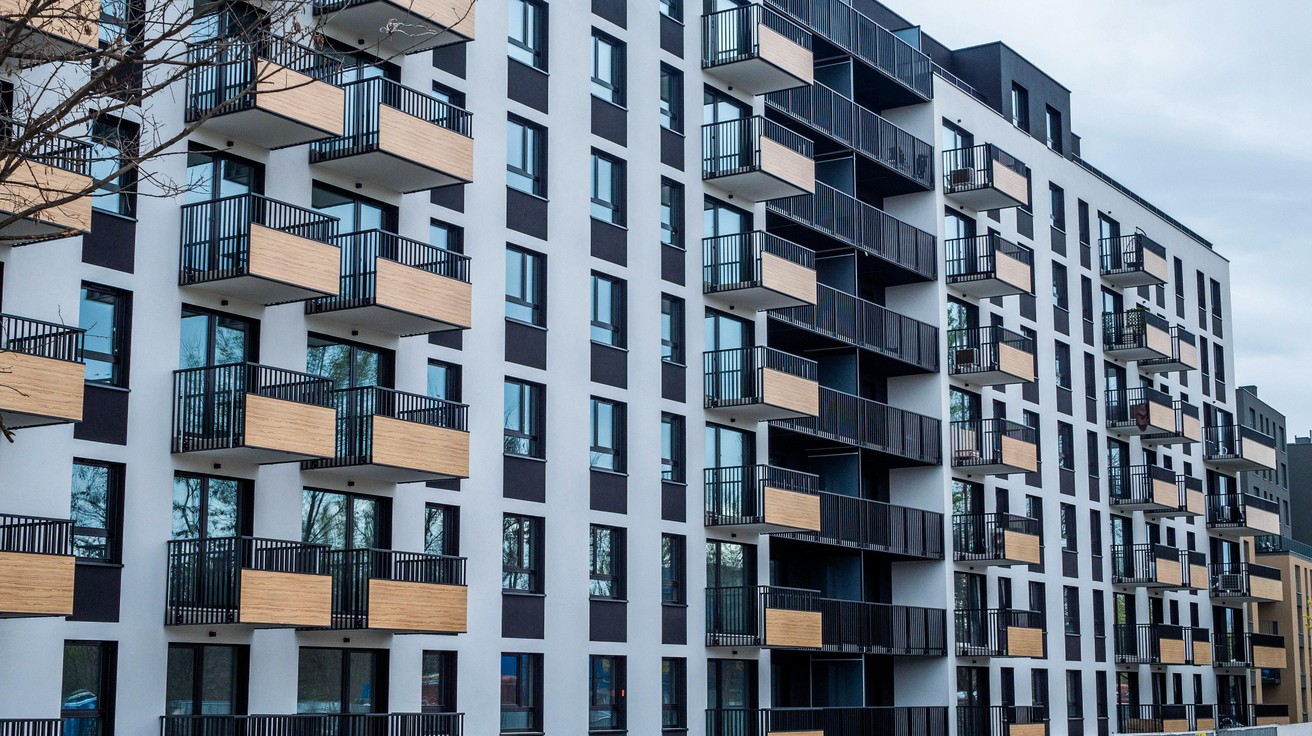
Apartment Pest Control in Texas: Understanding Tenant Rights and Responsibilities
Discovering pests in your apartment can be stressful, especially when you're unsure about your rights and responsibilities as a tenant. This guide provides a comprehensive overview of Texas tenant rights regarding pest control, along with practical steps to manage pest issues effectively.
Ready to Get Started?
Free quote • No obligation • Same-day service available
Understanding Texas Tenant Rights
Under Texas Property Code Section 92.052, landlords are required to maintain rental properties in a condition that does not materially affect the health or safety of tenants. Severe pest infestations are often considered a breach of this requirement.
Key Legal Provisions
- Landlord's Duty: Ensure structural integrity to prevent pest entry.
- Tenant's Duty: Maintain cleanliness and report pest issues promptly.
- Warranty of Habitability: Severe infestations can breach this warranty.
- Retaliation Protection: Landlords cannot evict tenants for reporting pest issues in good faith.
When Landlords Are Responsible
Landlords are typically responsible for pest control when issues arise from:
- Structural defects like gaps around pipes or damaged weather stripping.
- Plumbing leaks causing moisture problems.
- Building-wide infestations affecting multiple units.
- Failure to address pest harborage areas in common spaces.
- Pre-existing infestations from previous tenants.
When Tenants May Be Responsible
Tenants may be liable for pest control costs if:
- Poor sanitation practices attract pests.
- They fail to report problems in a timely manner.
- Actions like leaving pet food out create pest issues.
- The lease explicitly assigns pest control responsibility to tenants.
Common Texas Apartment Pests
Ants: A Frequent Nuisance
According to Texas A&M AgriLife Extension, fire ants cause over $1 billion in damage annually in Texas. Ant infestations often indicate:
- Moisture issues from plumbing leaks.
- Structural gaps allowing entry.
- Inadequate exterior pest management.
German Cockroaches: A Habitability Threat
German cockroaches reproduce rapidly and spread diseases. Severe infestations can breach habitability due to:
- Contaminating food preparation surfaces.
- Triggering asthma and allergies, especially in children.
- Indicating sanitation or structural problems.
Rodents: Typically a Landlord Responsibility
Rodent issues usually stem from structural problems landlords must address:
- Gaps around utility penetrations.
- Damaged door sweeps or window screens.
- Inadequate exterior maintenance.
Action Plan for Tenants
Step 1: Document Everything
Create a paper trail before contacting your landlord:
- Take timestamped photos of pest activity.
- Keep a log of pest sightings.
- Save dead insects or droppings as evidence.
- Document property damage caused by pests.
Step 2: Review Your Lease Agreement
Check for specific language about:
- Pest control responsibilities.
- Notification requirements for maintenance issues.
- Landlord response timeframes.
- Any pest-related addendums.
Step 3: Provide Written Notice
Texas law requires written notice for habitability issues. Include:
- A detailed description of the pest problem.
- The date you first noticed the issue.
- Any health or safety concerns.
- A request for specific action within a reasonable timeframe (typically 7-14 days).
Send via certified mail and keep copies.
Step 4: Take Immediate Protective Measures
While awaiting a landlord response, you can:
- Seal food in airtight containers.
- Eliminate standing water sources.
- Use caulk to seal entry points.
- Apply boric acid powder in cracks and crevices (keep away from children and pets).
What to Do When Landlords Don't Respond
Legal Options
If your landlord fails to address pest problems after proper notice, Texas law offers remedies:
Repair and Deduct
Under Texas Property Code 92.0561, you may hire professional pest control and deduct costs from rent if:
- The problem affects health or safety.
- You provided proper written notice.
- The landlord failed to act within a reasonable time.
- Repair costs don't exceed one month's rent.
Lease Termination
Severe pest infestations may justify breaking your lease without penalty if:
- The problem materially affects habitability.
- You followed proper notification procedures.
- The landlord had a reasonable opportunity to fix the issue.
Rent Withholding
Rent withholding is risky and should only be considered after consulting a tenant rights attorney.
Prevention Strategies
Kitchen and Food Storage
- Store food in sealed containers.
- Wipe down counters daily.
- Fix leaky faucets immediately.
- Keep sink drains clean and covered.
Bathroom Maintenance
- Run exhaust fans during and after showers.
- Fix plumbing leaks promptly.
- Seal gaps around pipes and fixtures.
- Keep areas dry and well-ventilated.
General Apartment Care
- Vacuum regularly, especially under appliances.
- Take out trash frequently.
- Report maintenance issues immediately.
- Inspect packages and furniture before bringing them inside.
Regional Considerations
Texas Climate Factors
Texas's warm, humid climate creates year-round pest pressure. In regions like DFW, Austin, San Antonio, and Tyler, expect peak ant activity from March through October.
Oklahoma Seasonal Patterns
In OKC, Tulsa, and Edmond, pest pressure peaks in late spring and early fall. Temperature fluctuations drive pests indoors.
Louisiana and Mississippi Gulf Coast
High humidity in Slidell and New Orleans creates ideal conditions for German cockroaches and moisture ants. Buildings near water sources face additional challenges with carpenter ants and termites.
When to Call Professional Help
Contact a licensed pest control company when you notice:
- Multiple pest types simultaneously.
- Recurring problems despite DIY efforts.
- Structural damage from pests.
- Health symptoms potentially related to pest allergens.
- Evidence of large-scale infestations.
Professional technicians can identify entry points, assess infestations, and implement targeted treatment strategies.
Cost Expectations and Budgeting
| Service Type | Typical Cost Range | Who Usually Pays |
|---|---|---|
| Initial ant treatment | $150-$300 | Depends on infestation source |
| German cockroach elimination | $200-$500 | Usually landlord responsibility |
| Rodent exclusion and treatment | $300-$800 | Typically landlord responsibility |
Conclusion
Understanding your rights and responsibilities as a tenant in Texas is crucial for effectively managing pest issues. By following the steps outlined in this guide, you can ensure that pest problems are addressed promptly and professionally. For more information on pest control services, visit our Residential Services page or contact us at 844-955-2447.
Did You Know?
According to the CDC, pests like cockroaches and rodents can carry diseases that pose significant health risks. Ensuring proper pest control can help prevent these health issues.
About the Author
Ella Hansen is a pest control marketing specialist at Romex Pest Control who leverages in-house expertise and external industry resources to deliver actionable pest management content. With over a decade of experience in pest control marketing, Ella has contributed to numerous publications and has been recognized for her work in promoting effective pest management strategies.
FAQ
- What should I do if my landlord refuses to handle a pest problem? Follow the steps outlined in "What to Do When Landlords Don't Respond" and consider legal options if necessary.
- Can I break my lease due to a pest infestation? Yes, if the infestation materially affects habitability and proper notification procedures are followed.
- Who is responsible for pest control in a rental property? Responsibility can vary based on the lease agreement and the source of the infestation.
Romex Pest Control Credentials
Romex Pest Control is a licensed and certified pest management company with a proven track record in delivering effective pest control solutions. Our team of experts is trained in the latest pest control technologies and methods to ensure the highest standards of service.