
About the Author
Ella Hansen is a pest control marketing specialist at Romex Pest Control. With over a decade of experience in pest management marketing, Ella combines in-house expertise and external industry resources to deliver actionable pest management content. She has collaborated with Texas A&M AgriLife Extension and other industry leaders to ensure the accuracy and effectiveness of her advice. Ella holds a certification from the National Pest Management Association (NPMA) and has been recognized for her contributions to pest control education.
Ready to Get Started?
Free quote • No obligation • Same-day service available
Understanding Chigger Biology: Your Key to Effective Prevention
If you've ever returned from a Texas hiking trip covered in intensely itchy red welts around your ankles and waistline, you've likely encountered chiggers. These microscopic pests aren't insects at all—they're the larval stage of harvest mites (family Trombiculidae), and understanding their unique biology is crucial for effective prevention.
Unlike mosquitoes or ticks that bite and feed on blood, chiggers have a more disturbing feeding method. The larval chiggers inject digestive enzymes into your skin that break down cellular tissue, creating a feeding tube called a stylostome. They then feed on the liquefied skin cells for 3-4 days before dropping off to continue their life cycle.
Regional Chigger Activity Patterns Across the South
Chigger activity varies significantly across our service regions, and timing your outdoor activities around their peak seasons can dramatically reduce your exposure risk.
Texas Climate Zones and Chigger Seasons
In the Dallas-Fort Worth metroplex, chigger activity typically peaks from late April through September, with the highest populations occurring during humid periods following spring rains. The clay soils common in North Texas retain moisture longer, creating ideal conditions for chigger development.
Austin's Hill Country presents unique challenges due to the limestone terrain and varied microclimates. Chiggers thrive in the moister creek bottoms and shaded areas, while the rocky hilltops tend to have lower populations. Peak activity occurs from May through October, extending later into fall than northern regions.
San Antonio's semi-arid climate creates more localized chigger populations, concentrated in irrigated areas, parks, and along waterways. The extended growing season means chigger activity can persist into November during warm years.
Oklahoma and Louisiana Patterns
Oklahoma City and Tulsa experience intense chigger seasons from May through September, with populations exploding after the spring rains that characterize the region's weather patterns. The red clay soils and abundant grasslands create extensive chigger habitat.
Louisiana's subtropical climate around New Orleans and Slidell supports year-round chigger activity, though populations peak during the hot, humid summer months. The high humidity and frequent rainfall create ideal conditions for continuous reproduction cycles.
| Region | Peak Season | High-Risk Habitats | Climate Factors |
|---|---|---|---|
| North Texas (DFW) | April - September | Clay soil areas, tall grass | Spring rains, humidity |
| Central Texas (Austin) | May - October | Creek bottoms, shaded areas | Variable microclimates |
| Oklahoma | May - September | Grasslands, wooded edges | Spring storms, red clay |
| Louisiana | Year-round (peak summer) | All vegetated areas | High humidity, frequent rain |
Habitat Recognition: Where Chiggers Actually Live
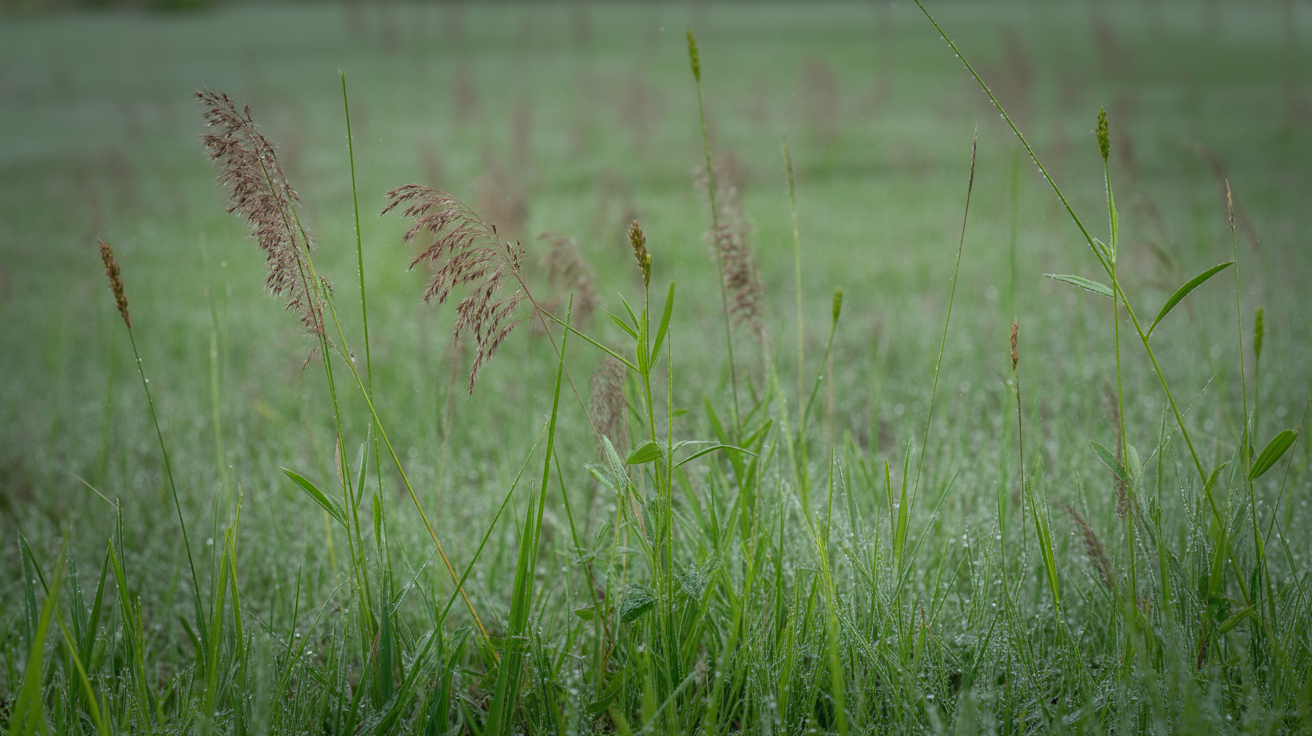
Contrary to popular belief, chiggers don't live in trees waiting to drop on unsuspecting victims. According to Texas A&M AgriLife Extension research, chiggers are ground-dwelling creatures that cluster in specific microhabitats where humidity levels remain high and organic matter provides food sources for adult mites.
High-Risk Zones to Avoid
- Transitional areas: Where mowed lawn meets tall grass or woods—these edge habitats provide optimal conditions
- Overgrown fields: Particularly those with berry bushes, which provide shade and retain moisture
- Creek and river bottoms: High humidity and organic debris create chigger hotspots
- Areas with decaying vegetation: Fallen logs, leaf litter, and compost areas
- Unmowed areas around structures: Tall grass against buildings, fences, or sheds
Lower-Risk Areas for Outdoor Activities
- Well-maintained lawns: Regular mowing disrupts chigger habitat
- Paved trails and walkways: Avoid brushing against vegetation
- Open, sunny areas: Direct sunlight and low humidity deter chiggers
- Elevated wooden decks: Away from ground-level vegetation
- Sandy or rocky areas: Poor habitat for chigger development
Science-Based Prevention Strategies That Actually Work
Clothing Selection and Treatment
The CDC recommends treating clothing with permethrin-based repellents, which remain effective through multiple washings. This creates a chemical barrier that kills chiggers on contact before they can attach to skin.
Optimal clothing choices:
- Light-colored, tightly-woven fabrics that make chiggers visible
- Long pants tucked into socks or boots
- Long-sleeved shirts with fitted cuffs
- Smooth fabrics (avoid terry cloth or fleece that chiggers can cling to)
Repellent Application Strategy
DEET-based repellents provide effective protection when applied correctly. Focus application on clothing rather than exposed skin, particularly around openings where chiggers typically attach:
- Ankle and sock line areas
- Waistband and belt line
- Sleeve cuffs and collar
- Areas where clothing fits snugly
Post-Activity Protocols
Since chiggers take several hours to attach and begin feeding, immediate post-activity measures can prevent bites entirely:
- Shower within 2 hours: Use hot water and soap to wash away unattached chiggers
- Wash clothing immediately: Hot water (120°F+) kills any chiggers in fabric
- Dry on high heat: 30 minutes of high-heat drying eliminates survivors
- Inspect common attachment sites: Check ankles, waist, armpits, and behind knees
Property Management for Long-Term Chigger Control
Landscape Modifications
Creating a chigger-resistant landscape involves managing moisture and eliminating preferred habitats:
- Maintain a mowed perimeter: Keep grass cut short for 10-15 feet around activity areas
- Remove organic debris: Clear fallen leaves, brush piles, and overgrown vegetation
- Improve drainage: Address standing water and consistently damp areas
- Create gravel or mulch barriers: These materials don't support chigger populations
Targeted Treatment Areas
For homeowners dealing with persistent chigger problems in specific yard areas, targeted applications can provide relief. Focus treatment on:
🛡️ Tired of Chigger Bites?
Our Yard Guard program eliminates chiggers effectively. Learn more about Yard Guard.
Frequently Asked Questions
What are chiggers?
Chiggers are the larval stage of harvest mites, known for causing itchy welts on the skin.
How can I prevent chigger bites?
Wear protective clothing, use permethrin-treated gear, and apply DEET-based repellents to clothing.
Are chigger bites dangerous?
While not dangerous, chigger bites can cause intense itching and discomfort. Proper prevention and treatment can mitigate these effects.
How does Romex Pest Control help with chigger prevention?
We offer professional yard treatments that significantly reduce chigger populations, allowing you to enjoy your outdoor spaces.
Conclusion
Understanding chigger biology and regional activity patterns is crucial for effective prevention. By implementing science-based strategies and considering professional pest control services, you can enjoy outdoor activities in Texas without the nuisance of chigger bites.
For more information on our services, visit our services page or contact us at 844-955-2447.