
Ready to Get Started?
Free quote • No obligation • Same-day service available
Understanding Chigger Bites
Chigger bites are notorious for their intense itchiness. The larvae inject proteolytic enzymes into your skin, dissolving cells and creating a stylostome—a hardened feeding tube. This triggers a strong histamine response from your immune system, causing the itch to intensify over the first 24 to 48 hours. By then, the chigger has usually dropped off, and treatments claiming to "kill the chigger" are ineffective and can irritate the wound further.
Immediate First Aid: The First 30 Minutes
Immediate action can significantly reduce the severity of the reaction:
- Shower immediately with hot water and soap to remove any remaining larvae. This is most effective within 1–2 hours of exposure.
- Wash all clothing in hot water (130°F+) and dry on high heat to kill any remaining larvae.
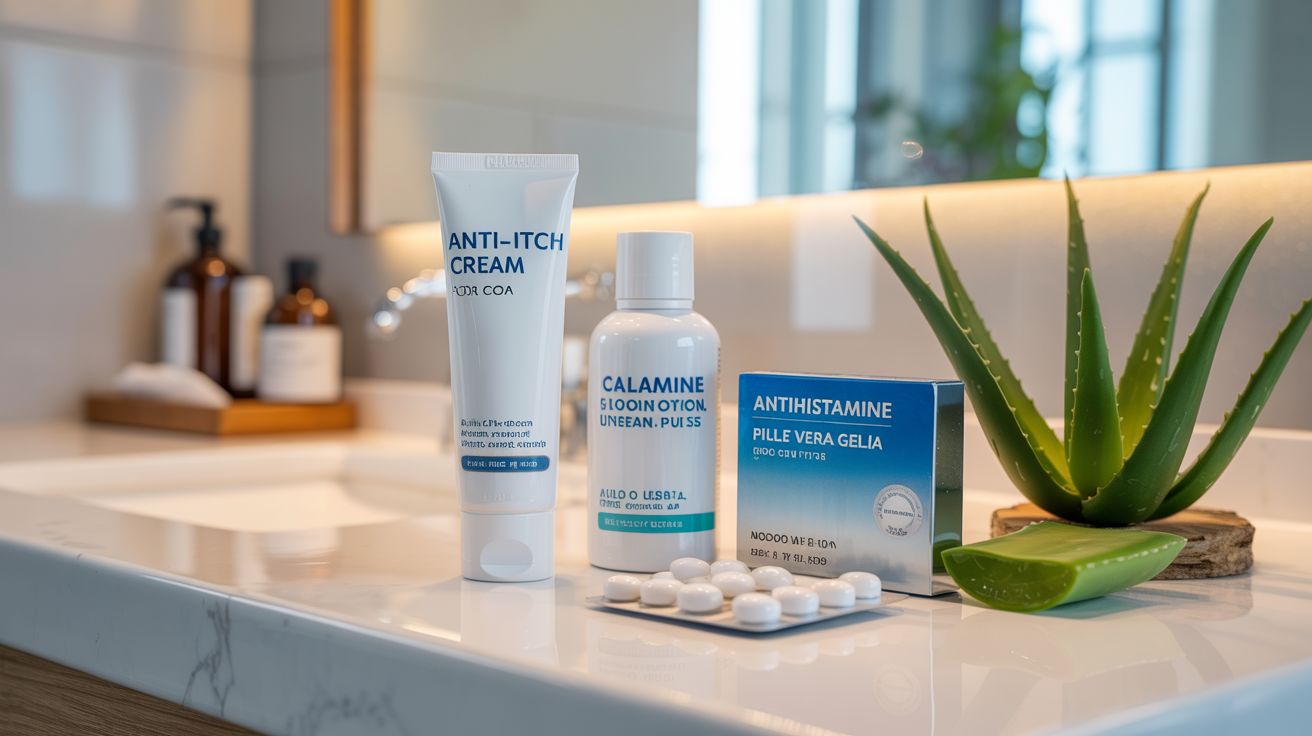
- Apply anti-itch medication such as hydrocortisone cream or calamine lotion for fast relief.
- Take an oral antihistamine like diphenhydramine (Benadryl) to reduce the histamine response.
- Resist scratching to prevent infection and prolong healing.
Proven Home Remedies That Actually Work
Here are some dermatologist-backed home remedies:
Cold Compresses
Apply a cold, damp cloth or ice pack wrapped in a towel to affected areas for 10–15 minutes. This reduces histamine release and numbs nerve endings.
Colloidal Oatmeal Baths
Add colloidal oatmeal to a lukewarm bath and soak for 15–20 minutes. Oatmeal contains anti-inflammatory compounds that reduce itching and redness.
Baking Soda Paste
Mix baking soda with water to form a paste and apply to bites. The alkaline pH neutralizes acidic enzymes, providing temporary relief.
Menthol or Camphor-Based Products
Products with menthol or camphor create a cooling sensation that overrides itch signals, especially useful at night.
Aloe Vera Gel
Apply pure aloe vera gel to soothe and support skin healing with its anti-inflammatory properties.
Over-the-Counter Treatments
For moderate to severe reactions, consider these OTC options:
- Hydrocortisone cream (1%): Reduces inflammation and itching. Apply 2–3 times daily.
- Antihistamine cream: Provides localized relief. Consult a pharmacist before combining with oral antihistamines.
- Oral antihistamines: Cetirizine or loratadine for daytime; diphenhydramine at night.
- Calamine lotion: Provides a protective, soothing layer over bites.
- Pramoxine (Sarna): A topical anesthetic that numbs the bite site for hours.
Remedies That Do NOT Work
Avoid these ineffective or harmful treatments:
- Clear nail polish: Ineffective as the chigger is gone by the time you itch.
- Bleach or rubbing alcohol: Can cause chemical burns and increase scarring risk.
- Turpentine or gasoline: Extremely dangerous, causing chemical burns and toxicity.
- Chiggerex or sulfur-based ointments: Ineffective after bites have formed.
When to See a Doctor
Most chigger bites resolve within 1 to 3 weeks. Seek medical attention if you notice:
- Signs of infection: Redness, warmth, swelling, pus, or red streaks from the bite site.
- Fever: A temperature above 100.4°F may indicate a secondary infection.
- Severe allergic reaction: Widespread hives, difficulty breathing, or facial swelling.
- Bites that worsen after 5–7 days: Suggests infection if not improving.
- Bites in sensitive areas: Around the eyes, ear canal, or genitals may need professional care.
A doctor may prescribe stronger topical steroids or antibiotics if a secondary infection has developed.
Prevention Is the Best Treatment
Preventing bites is the most effective treatment. If your yard is a recurring source of chigger bites, treating the root cause eliminates the problem for the entire season. Romex Pest Control's chigger treatment program uses targeted perimeter applications that create a residual barrier lasting 60 to 90 days.
For personal protection tips and yard management strategies, read our complete chigger prevention guide or contact Romex for a free yard inspection.
FAQ: Common Questions About Chigger Bites
- How long do chigger bites last? Most bites heal within 1–3 weeks.
- Can chiggers live in my house? No, chiggers cannot survive indoors for long periods.
- Are chigger bites dangerous? While not typically dangerous, severe reactions or infections require medical attention.
Company History and Achievements
Romex Pest Control has been serving the communities of Texas, Louisiana, Oklahoma, and Mississippi for over a decade. Our commitment to providing professional pest control solutions is backed by our team of certified experts and our dedication to customer satisfaction. We have been recognized in several industry publications for our innovative approaches to pest management.
Community Involvement
Romex Pest Control is committed to giving back to the communities we serve. We regularly participate in local environmental clean-up projects and sponsor educational workshops on pest management and prevention. Our team believes in fostering a healthy, pest-free environment for all residents.
Summary
Chigger bites can be intensely itchy and uncomfortable, but with the right treatments and preventive measures, you can minimize their impact. Immediate first aid, proven home remedies, and professional pest control solutions from Romex can help you reclaim your outdoor spaces. For more information on our services, visit our Chigger Control page or contact us for a free consultation.
Did You Know?
According to the CDC, chiggers are most active in late spring through early autumn. They thrive in areas with thick vegetation and high humidity. Regular yard maintenance and professional pest control can significantly reduce their presence.
Professional Tip
For effective chigger control, consider a multi-faceted approach that includes both chemical treatments and environmental modifications. Removing leaf litter, mowing grass regularly, and trimming shrubs can make your yard less hospitable to chiggers.