
Understanding Scorpion Stings in Oklahoma
Scorpion stings in Oklahoma, primarily from the striped bark scorpion (Centruroides vittatus), are generally painful but rarely life-threatening for most healthy adults. According to Oklahoma State University Extension, these stings are comparable in pain to bee or wasp stings, causing localized pain and swelling that typically subsides within 24 hours.
However, certain individuals, such as young children, older adults, or those with allergies, face higher risks. Recognizing the difference between a normal reaction and a severe one can be lifesaving. The CDC provides additional insights into the symptoms and treatments for scorpion stings.
Ready to Get Started?
Free quote • No obligation • Same-day service available
Step-by-Step First Aid for a Scorpion Sting

If you or a family member is stung by a scorpion in Oklahoma, follow these steps recommended by Oklahoma State University Extension:
- Stay calm. The sting will be painful, but panicking increases your heart rate and can accelerate venom circulation.
- Wash the sting site with soap and clean water to reduce the risk of infection.
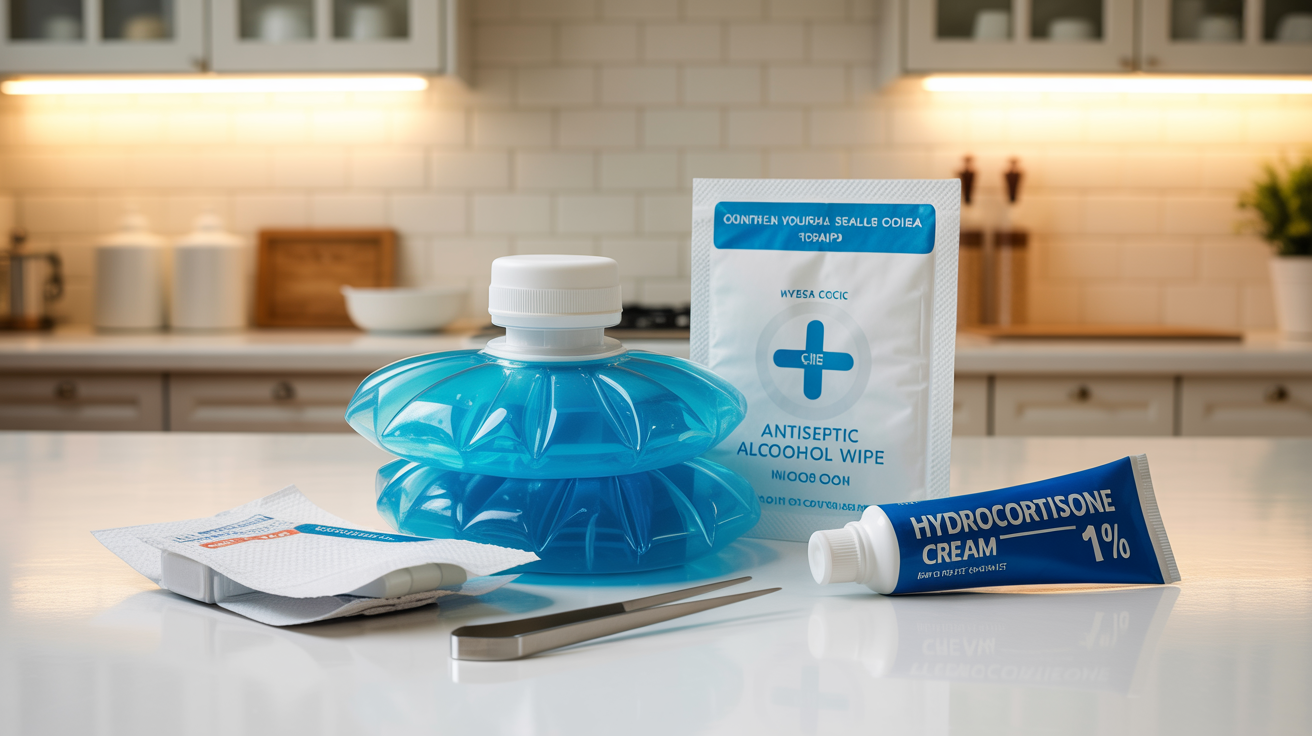
- Apply a cool compress — wrap ice in a cloth and apply to the area for 10–15 minutes. Avoid applying ice directly to the skin.
- Elevate the affected limb if the sting is on a hand, arm, foot, or leg to reduce swelling.
- Take over-the-counter pain relief such as ibuprofen or acetaminophen as directed.
- Monitor symptoms for 2–4 hours. If symptoms escalate beyond localized pain and swelling, seek medical attention.
When to Seek Medical Attention
Most striped bark scorpion stings resolve on their own. However, seek immediate medical care if you observe any of the following symptoms:
- Difficulty breathing or shortness of breath
- Muscle spasms or twitching beyond the sting area
- Excessive drooling or difficulty swallowing
- Blurred vision
- Nausea and vomiting
- Rapid heartbeat or chest tightness
- Hives or widespread swelling (signs of anaphylaxis)
These symptoms indicate a systemic reaction to the venom and require professional medical intervention. The antivenom Anascorp® is available for severe envenomations. Learn more about scorpion stings from the CDC.
Who Is Most at Risk?
OSU Extension identifies three groups who face elevated risk from scorpion stings:
| Risk Group | Why They're Vulnerable | Action |
|---|---|---|
| Children under 5 | Lower body weight means venom concentration is higher relative to body mass | Seek medical attention for any scorpion sting |
| Adults over 65 | Slower immune response and higher likelihood of complicating conditions | Monitor closely; seek care if symptoms worsen |
| Hypersensitive individuals | Prior allergic reactions to insect stings increase risk of anaphylaxis | Seek immediate emergency care |
If anyone in your household falls into these risk categories, scorpion prevention becomes a safety priority — not just a comfort issue.
Prevention Is the Best Treatment
The most effective way to avoid scorpion stings in your Oklahoma home is to prevent scorpions from entering in the first place. A professional prevention-first treatment plan includes:
- Residual barrier treatment around the foundation and entry points
- Identification and sealing of entry points (weep holes, door gaps, foundation cracks)
- Habitat modification to reduce scorpion harborage near the structure
- Recurring service every 60–90 days to maintain the barrier
Learn about our scorpion control program or request a quote. Romex Pest Control has been serving Oklahoma homeowners since 2016 with locally managed, prevention-first scorpion control.
Company History and Achievements
Romex Pest Control, established in 2016, has been a leader in pest management solutions across Texas, Louisiana, Oklahoma, and Mississippi. Our team of certified technicians is dedicated to providing professional and tested pest control services. We pride ourselves on our customer satisfaction and have been recognized with industry awards for our innovative approaches to pest management.
Community Involvement and Partnerships
Romex Pest Control actively participates in community initiatives and partners with local organizations to promote pest safety and awareness. Our collaborations with local health authorities and educational institutions help us stay updated with the latest pest control techniques and community needs.
FAQ
- What should I do if I see a scorpion in my home?
- Contact a professional pest control service to assess and address the situation. Avoid handling scorpions yourself.
- Are scorpion stings more common during certain times of the year?
- Yes, scorpions are more active during the warmer months, typically from May to September.
- Can scorpions climb walls?
- Yes, scorpions can climb walls, especially rough surfaces. Ensure your home is sealed properly to prevent entry.
Did You Know?
Scorpions are nocturnal and most active during the warmer months in Oklahoma, particularly from May to September. They are attracted to cool, dark, and moist environments, making cluttered garages and woodpiles common hiding spots.
Professional Tip from Romex Technicians
"Always wear gloves and closed-toe shoes when working in areas where scorpions might hide, such as attics, basements, or outdoor sheds. Prevention starts with awareness." — Romex Pest Control Team
Summary
Scorpion stings in Oklahoma, primarily from the striped bark scorpion, are painful but rarely life-threatening. Understanding first aid, recognizing when to seek medical attention, and implementing prevention strategies are key to managing scorpion encounters. Romex Pest Control offers professional services to help keep your home scorpion-free.