

About the Author
Ella Hansen is a pest control marketing specialist at Romex Pest Control, leveraging in-house expertise and external industry resources to deliver actionable pest management content. With over a decade of experience in the pest control industry, Ella holds a degree in Environmental Science and is certified by the National Pest Management Association. She is dedicated to educating homeowners about effective pest management strategies. Connect with Ella on LinkedIn.
Ready to Get Started?
Free quote • No obligation • Same-day service available
Introduction
Scorpions are a common concern for homeowners in Oklahoma, Texas, Louisiana, and Mississippi. The striped bark scorpion (Centruroides vittatus) is the most frequently encountered species in these regions. Understanding how to identify and manage these creatures is crucial for maintaining a safe home environment.
Oklahoma's Most Common Scorpion: The Striped Bark Scorpion
If you've found a scorpion in your Oklahoma home, there's a very good chance it's a striped bark scorpion. According to Oklahoma State University Extension, this is the most commonly encountered scorpion species across the entire state — from the Wichita Mountains to the suburbs of Oklahoma City and Tulsa.
Understanding what you're dealing with is the first step toward effective control. This guide covers identification, behavior, habitat preferences, and what their presence in your home actually means.
How to Identify a Striped Bark Scorpion
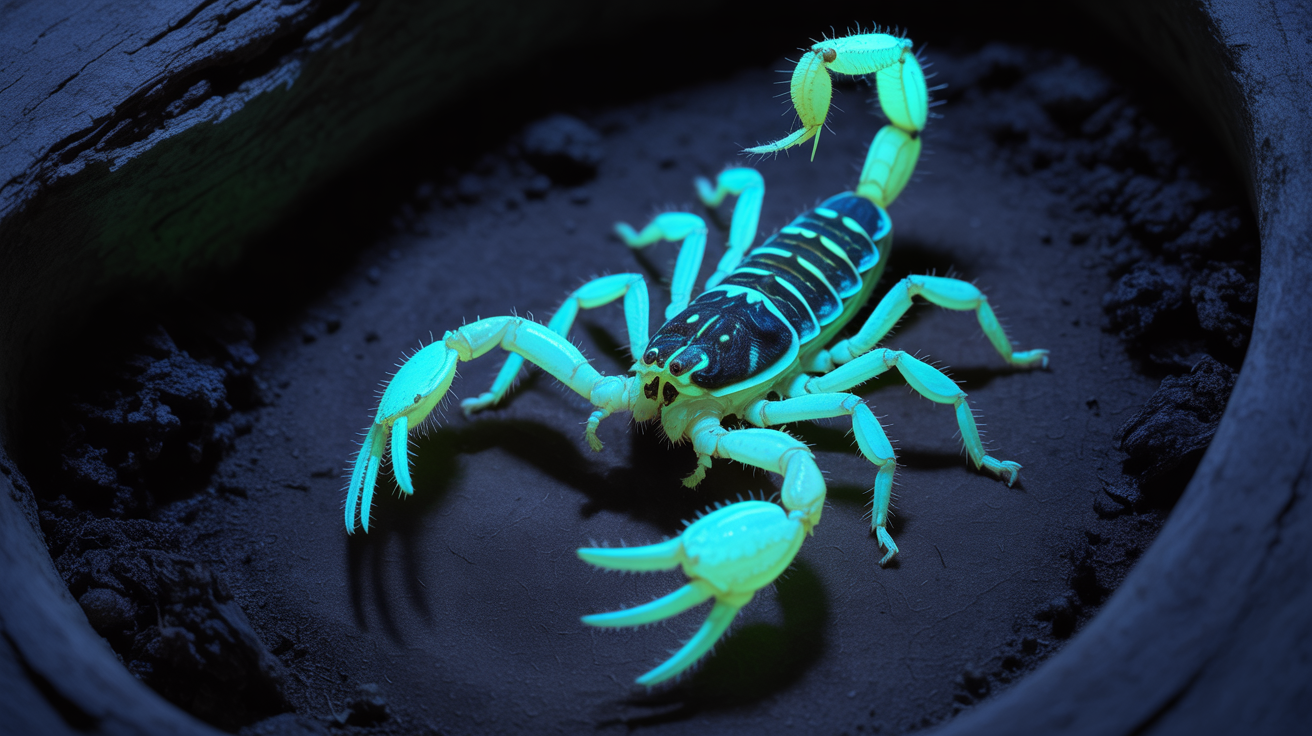
The striped bark scorpion has several distinguishing features that set it apart from other arachnids you might encounter:
| Feature | Description |
|---|---|
| Size | 2 to 2.75 inches (50–70 mm) — about the length of your index finger |
| Color | Pale yellow to tan body |
| Markings | Two dark longitudinal stripes running down the top of the abdomen — the namesake feature |
| Pincers | Thin and delicate — unlike the bulky pincers of the less-common Southern Devil Scorpion |
| Tail | Long, thin, and often coiled to the side when at rest |
| UV Glow | Fluoresces bright blue-green under ultraviolet (blacklight) — useful for nighttime detection |
The thin pincers are actually a significant detail. OSU Extension notes that scorpions with slender pincers rely more heavily on their venom for hunting, while species with thick, powerful pincers use physical strength. The striped bark scorpion is in the venom-reliant category.
Where They Hide in Oklahoma Homes
Scorpions are nocturnal predators that seek dark, undisturbed hiding spots during the day. Inside Oklahoma homes, OSU Extension identifies these common harborage areas:
- Attics and crawl spaces — the most common interior harborage
- Wall voids — accessed through gaps around electrical outlets and plumbing penetrations
- Closets and storage areas — especially where boxes sit directly on the floor
- Shoes and clothing left on the floor — always shake out before putting on
- Under sinks — moisture draws them in
- Garages — especially near exterior walls and stored items
The striped bark scorpion is also a capable climber. Unlike many ground-dwelling scorpion species, C. vittatus is semi-arboreal — meaning it climbs trees, walls, fences, and even ceilings. This climbing ability is one reason they appear in second-story bedrooms and attic spaces where homeowners least expect them.
Why Scorpions Enter Oklahoma Homes in Summer
Summer is peak scorpion season in Oklahoma for several overlapping reasons:
- Heat drives them indoors. As outdoor temperatures climb past 100°F, scorpions seek cooler environments — your air-conditioned home is exactly that.
- Moisture attracts them. Scorpions need some moisture to survive. Bathrooms, kitchens, and laundry areas become magnets.
- Construction displaces them. New development in areas like Edmond, Norman, and Broken Arrow disrupts natural scorpion habitat, pushing them toward existing structures.
- Prey insects are inside. If your home has crickets, roaches, or spiders, you have a food source that draws scorpions in.
OSU Extension notes that late spring and early summer rains can also trigger indoor movement as scorpions seek drier shelter.
Preventive Measures for Homeowners
Preventing scorpions from entering your home involves a combination of physical barriers and environmental management:
- Seal entry points: Use caulk and weather stripping to close gaps around doors, windows, and plumbing.
- Reduce clutter: Keep storage areas organized and off the floor to eliminate hiding spots.
- Maintain a clean environment: Regular cleaning reduces the presence of prey insects.
- Professional pest control: Engage services like Romex Pest Control for expert barrier treatments.
Impact of Scorpions on Local Ecosystems
Scorpions play a vital role in local ecosystems as both predators and prey. They help control populations of insects and other small arthropods, contributing to ecological balance. However, their presence in human habitats can pose safety concerns, necessitating effective management strategies.
What Finding a Scorpion Means for Your Home
A single scorpion sighting doesn't necessarily mean you have an infestation — but it should be taken seriously. Here's why:
- Where there's one, there are usually more. Striped bark scorpions are social and often found in groups, unlike most scorpion species.
- It signals entry points exist. That scorpion got inside somehow. Identifying and sealing those gaps prevents future entries.
- It may indicate a broader pest problem. Scorpions follow their food supply. If they're coming inside, other prey insects likely are too.
A professional property assessment can identify the entry points, harborage conditions, and prey-pest issues that brought scorpions into your home in the first place.
Professional Identification and Treatment
Romex Pest Control technicians are trained to identify all Oklahoma scorpion species and implement targeted treatment plans that address both the scorpions and the conditions attracting them. Our prevention-first approach includes:
- Thorough inspection of interior and exterior harborage areas
- Identification of entry points — weep holes, foundation cracks, door gaps, plumbing penetrations
- Residual barrier treatment around the foundation and entry points
- Recommendations for habitat modification to reduce scorpion pressure long-term
Locally managed and operated, serving since 2016. Learn more about our scorpion control services or request a quote.
Community Involvement and Educational Initiatives
Romex Pest Control is committed to community involvement and education. We regularly host workshops and seminars in Oklahoma, Texas, Louisiana, and Mississippi to educate homeowners about pest prevention strategies. Our team collaborates with local schools and community centers to raise awareness about pest management and safety.
Frequently Asked Questions
- Are scorpions in Oklahoma dangerous?
- While the sting of a striped bark scorpion can be painful, it is generally not life-threatening to healthy adults. However, it can be more serious for children, the elderly, or those with allergies.
- How can I prevent scorpions from entering my home?
- Seal entry points, reduce clutter, and maintain a clean environment. Professional pest control services can provide additional barriers and treatments.
- What should I do if I find a scorpion in my home?
- Contact a professional pest control service to assess and address the situation effectively.
Company History and Achievements
Romex Pest Control has been serving the Oklahoma region since 2016, providing professional pest management solutions tailored to the unique challenges of the area. Our team is certified by leading industry organizations and continuously trained to stay updated with the latest pest control techniques and technologies.
We pride ourselves on our commitment to customer satisfaction and have been recognized for our excellence in service delivery, including receiving the "Best Pest Control Service" award in 2022 by the Oklahoma Pest Management Association.
Conclusion
Understanding and managing scorpions in your home is essential for safety and peace of mind. With the right knowledge and professional support, you can effectively control scorpion populations and prevent future infestations. For expert assistance, consider reaching out to Romex Pest Control.