
About the Author
Ella Hansen is a pest control marketing specialist at Romex Pest Control. With over a decade of experience in the pest management industry, she leverages in-house expertise and external resources to deliver actionable pest management content. Ella has contributed to several industry publications and is recognized for her insights into integrated pest management strategies.
Ready to Get Started?
Free quote • No obligation • Same-day service available
The Entry Points Scorpions Exploit in Oklahoma Homes
The striped bark scorpion can flatten its body to squeeze through gaps as narrow as 1/16 of an inch — roughly the thickness of a credit card. In Oklahoma's brick veneer construction, that means there are dozens of potential entry points on a typical home.
According to Oklahoma State University Extension, these are the most common scorpion entry routes:
- Weep holes in brick veneer
- Door thresholds and gaps
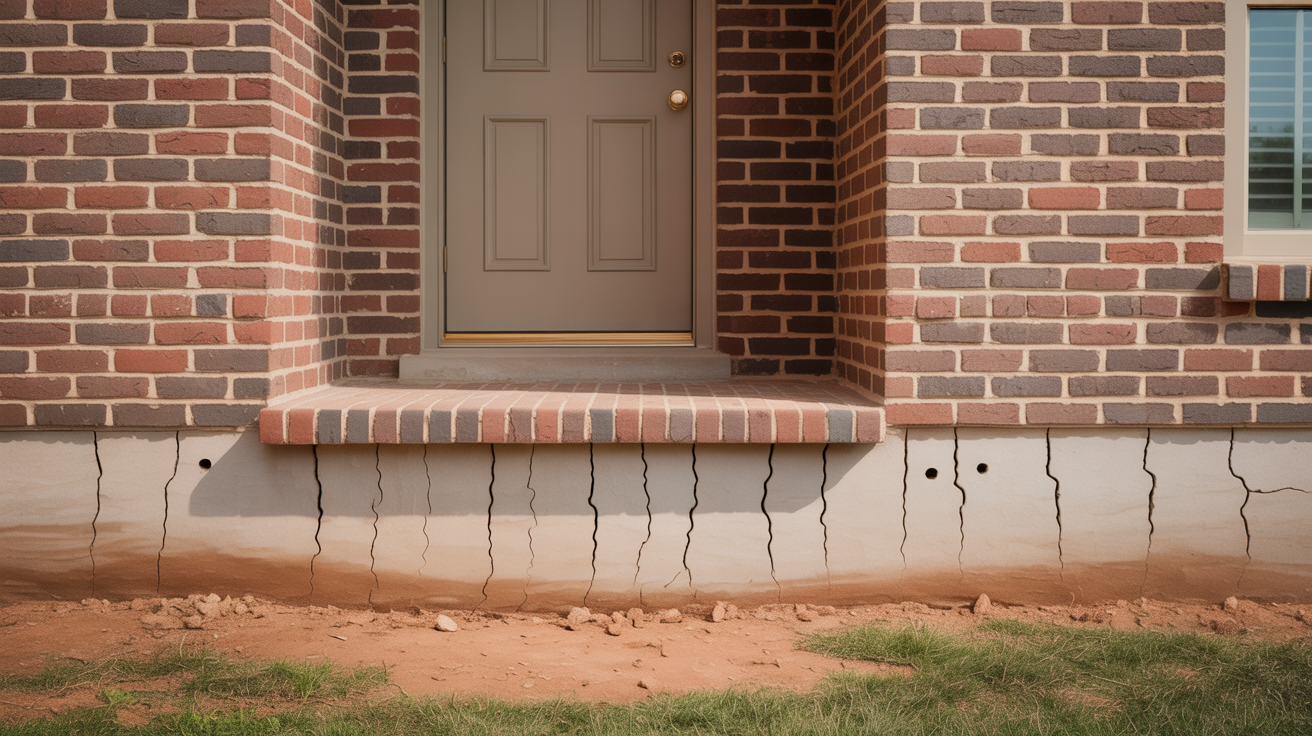
- Foundation cracks and expansion joints
- Plumbing and utility penetrations
- Window screens and frames
- Roof eaves and soffits
Top Scorpion Entry Points — and How to Seal Them
1. Weep Holes in Brick Veneer
Weep holes are the open gaps in exterior brick walls designed to allow moisture drainage. They're essential for your home's structural integrity — but they're also a direct highway for scorpions. Solution: Install copper mesh or stainless-steel weep hole screens. Never seal weep holes completely — they need airflow for moisture drainage.
2. Door Thresholds and Gaps
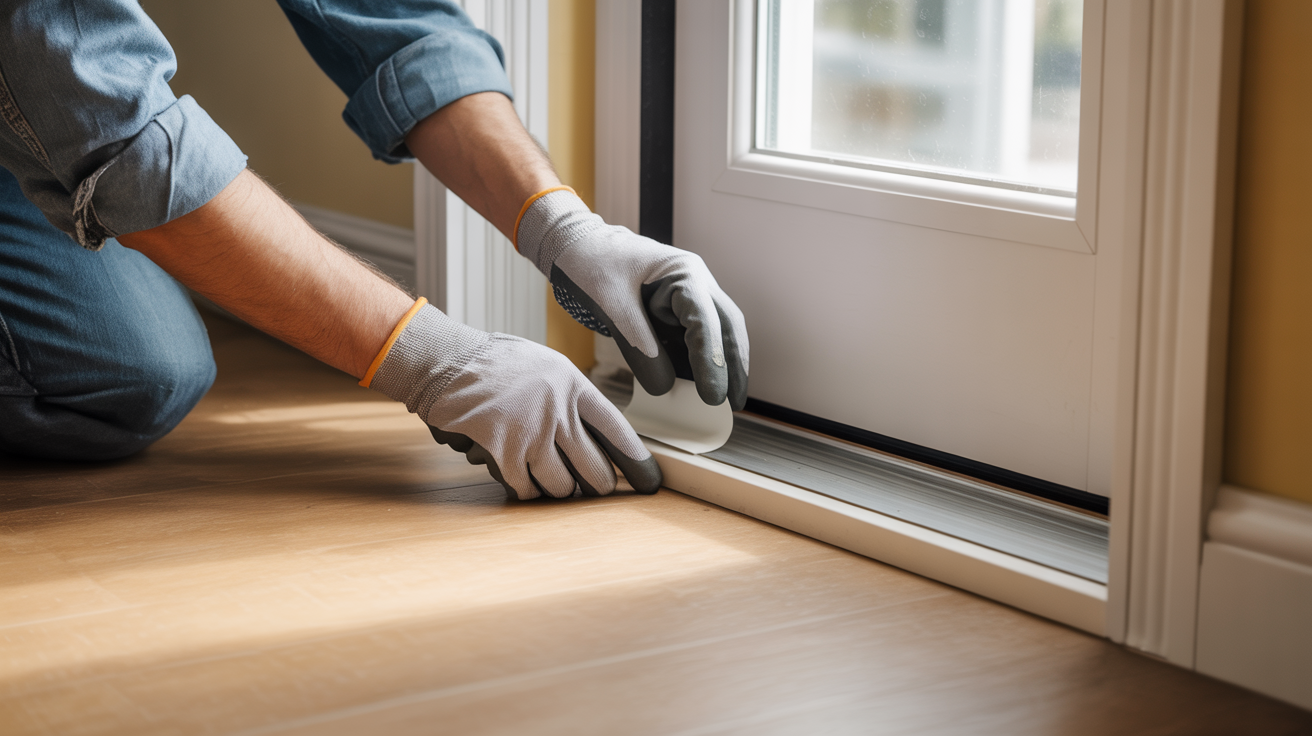
The gap under your front door, garage door, and side entry door is one of the most common scorpion entry points. Even a well-fitted door can have enough clearance for a scorpion to slide under. Solution: Install or replace door sweeps with rubber or brush-style weatherstripping. Check all exterior doors — including the door from your garage into your home.
3. Foundation Cracks and Expansion Joints
Oklahoma's clay soils expand and contract with moisture changes, creating foundation cracks that scorpions exploit. Solution: Seal visible cracks with exterior-grade caulk. For larger gaps, use expandable foam and then caulk over the surface. Inspect slab-to-wall junctions carefully.
4. Plumbing and Utility Penetrations
Every pipe, wire, and conduit that enters your home creates a potential gap. Check where plumbing exits through exterior walls (hose bibs, AC condensate lines) and where utilities enter through the foundation. Solution: Seal around penetrations with caulk or escutcheon plates. Pay special attention to AC line sets that enter through exterior walls.
5. Window Screens and Frames
Torn screens, loose frames, and gaps between window frames and siding allow scorpion entry — especially on ground-floor windows. Solution: Repair or replace damaged screens. Caulk gaps between window frames and exterior siding.
6. Roof Eaves and Soffits
Remember — striped bark scorpions are climbers. They scale walls and enter through gaps in roof eaves, soffits, and around roof penetrations (plumbing vents, attic vents). Solution: Seal gaps in soffits and ensure attic vents have fine mesh screening. Check where roof meets walls on porches and covered patios.
The Exclusion Checklist for Oklahoma Homeowners
Walk the perimeter of your home and check every item on this list:
| Area | Action | Priority |
|---|---|---|
| Weep holes | Install copper mesh screens | High |
| All exterior doors | Install/replace door sweeps | High |
| Foundation perimeter | Seal cracks with exterior caulk | High |
| Plumbing penetrations | Caulk around all pipes and conduits | High |
| AC line sets | Seal wall penetration with foam + caulk | Medium |
| Window screens | Repair tears, caulk frame gaps | Medium |
| Garage door seal | Replace worn bottom gasket | Medium |
| Soffits and eaves | Seal gaps, screen vents | Medium |
| Roof penetrations | Ensure flashing and boots are intact | Low |
Why Exclusion Alone Isn't Enough
Sealing entry points is critical — but it's only one layer of defense. According to the CDC, integrated pest management (IPM) is the most effective approach, combining exclusion with habitat modification and professional treatments.
Romex Pest Control's prevention-first approach starts with a thorough inspection to identify every entry point on your property. We then apply a residual barrier treatment that eliminates scorpions on contact as they attempt to enter, creating a chemical perimeter that reinforces your physical exclusion work. Learn more about our scorpion control services.
Locally managed and operated, serving since 2016. Request a quote.
Potential Health Risks of Scorpion Infestations
Scorpion stings can be painful and, in some cases, dangerous. Children and pets are particularly vulnerable. According to the EPA, while most scorpion stings are not life-threatening, they can cause severe allergic reactions in some individuals. Professional pest control services can help mitigate these risks.
Company Values and Mission
At Romex Pest Control, our mission is to provide effective pest management solutions tailored to each client's needs while maintaining the highest standards of customer service. We are committed to sustainability and innovation in pest control practices.
Company History and Achievements
Romex Pest Control has been serving the Texas, Louisiana, Oklahoma, and Mississippi regions since 2016. Our team of certified professionals is dedicated to providing effective pest management solutions tailored to each client's needs. Our commitment to excellence has earned us recognition within the industry, including [insert any awards or recognitions].
Customer Satisfaction and Service Guarantees
At Romex Pest Control, customer satisfaction is our top priority. We offer service guarantees to ensure our clients are fully satisfied with the pest control solutions we provide. Our team is committed to delivering high-quality service and effective results.
Frequently Asked Questions
- How effective are professional scorpion control methods?
- Professional methods, when combined with exclusion techniques, are highly effective in reducing scorpion populations. According to the CDC, integrated pest management is the most effective approach.
- How does Romex customize pest control solutions?
- Romex Pest Control customizes solutions based on a thorough inspection of your property, identifying specific entry points and environmental factors unique to your home.
Did You Know?
Scorpions have been around for over 400 million years, adapting to various environments. Their resilience makes them a challenging pest to control, but with professional strategies, you can keep them at bay.
Professional Tip
Regularly inspect your home for new entry points, especially after seasonal changes. Keeping vegetation trimmed and debris away from the foundation can also reduce scorpion harborage.