
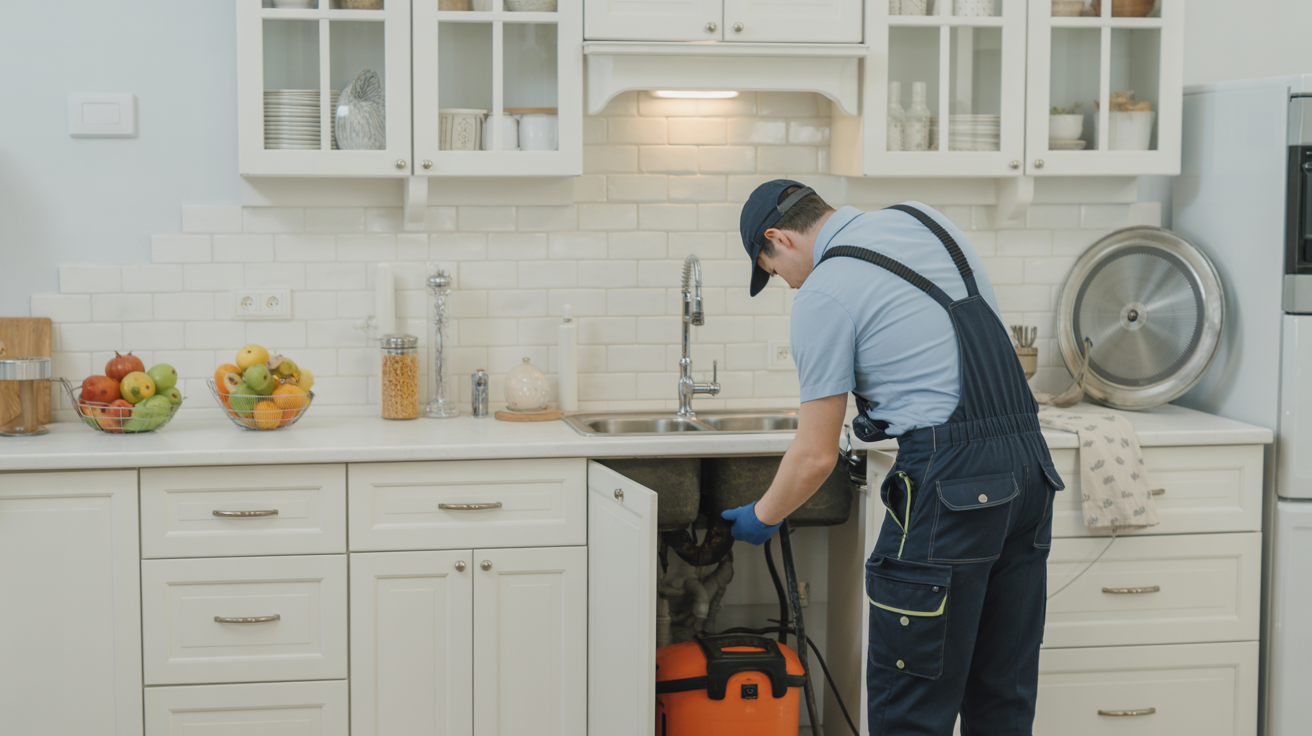
Few pests trigger the same visceral reaction as cockroaches. Across Dallas, Oklahoma City, and the Gulf Coast, our humid climate creates ideal conditions for multiple cockroach species. Understanding their biology and behavior provides powerful tools to keep them out of your kitchen.
Southern kitchens face unique challenges: high humidity, warm temperatures year-round, and older construction that provides entry points. This comprehensive guide provides actionable strategies you can implement today, backed by entomological research and real-world experience from our service regions.
About Romex Pest Control
Romex Pest Control has been a leader in the pest management industry for over 20 years, serving Texas, Louisiana, Oklahoma, and Mississippi. We are proud members of the National Pest Management Association (NPMA) and have been recognized for our commitment to quality and customer satisfaction. Our team includes certified entomologists and experienced technicians who stay updated with the latest pest control techniques and technologies.
Our history is marked by milestones such as expanding our service area to include the Gulf Coast and being awarded the NPMA QualityPro designation, which is the mark of excellence in pest management.
Ready to Get Started?
Free quote • No obligation • Same-day service available
Author Bio
Ella Hansen is a pest control marketing specialist at Romex Pest Control who leverages in-house expertise and external industry resources to deliver actionable pest management content. With over a decade of experience in pest control marketing, Ella collaborates with entomologists and pest management professionals to ensure content accuracy and relevance. Connect with Ella on LinkedIn.
Know Your Enemy: Southern Cockroach Species
Different species require different prevention strategies. Here are the primary culprits in southern kitchens:
German Cockroaches (Blattella germanica)
Size: ½ to ⅝ inch long
Color: Light brown with two dark stripes behind the head
Behavior: Indoor species that reproduces rapidly (39 days egg to adult)
German cockroaches are the most problematic kitchen invaders. According to University of Kentucky Entomology research, a single female can produce 30,000 offspring in one year under ideal conditions.
American Cockroaches (Periplaneta americana)
Size: 1¼ to 2⅛ inches long
Color: Reddish-brown with yellowish margins
Behavior: Outdoor species that enters homes seeking moisture
These large roaches typically live in sewers and storm drains but migrate indoors during extreme weather or drought conditions common across Texas and Oklahoma.
Brown-Banded Cockroaches (Supella longipalpa)
Size: ½ inch long
Color: Light brown with distinctive bands
Behavior: Prefers warm, dry areas; often found in upper cabinets
The Science of Kitchen Attraction
Understanding what draws cockroaches to kitchens helps you eliminate these attractants systematically:
Moisture Requirements
Cockroaches need water sources within 100 feet of their harborage sites. In southern climates where humidity regularly exceeds 60%, kitchens provide multiple water sources:
- Condensation under refrigerators and dishwashers
- Dripping faucets and loose pipe connections
- Pet water bowls left out overnight
- Wet sponges and dishcloths
- Overwatered houseplants near kitchen windows
Food Sources
Cockroaches are omnivorous scavengers that can survive on surprisingly little food. Texas A&M AgriLife Extension notes they'll consume:
- Grease splatter behind stoves
- Crumbs in toaster trays and under appliances
- Pet food left in bowls
- Garbage residue in trash cans
- Organic matter in drains
- Cardboard, paper, and even soap
Shelter Preferences
Cockroaches seek warm, dark, tight spaces near food and water. Common kitchen harborage sites include:
- Gaps behind and under appliances
- Cracks around plumbing penetrations
- Spaces between cabinets and walls
- Inside electrical outlets and switch plates
- Cardboard storage boxes in pantries
Immediate Action Plan: 24-Hour Kitchen Defense
These steps can be implemented today to begin reducing cockroach attraction:
Hour 1: Water Elimination
- Fix all leaks: Check under sinks, around dishwasher connections, and behind refrigerators
- Dry all surfaces: Wipe down counters, stovetops, and inside sinks before bed
- Empty drip trays: Check refrigerator, coffee maker, and other appliances
- Store sponges dry: Wring out completely and store in ventilated areas
Hour 2: Food Source Removal
- Deep clean appliances: Pull out toaster trays, clean behind stove, vacuum under refrigerator
- Secure all food: Transfer cereals, flour, and other pantry items to airtight containers
- Clean drains: Use hot water and dish soap to remove organic buildup
- Manage pet food: Store in sealed containers, don't leave bowls out overnight
Hour 3: Entry Point Assessment
- Inspect plumbing areas: Look for gaps around pipes under sinks
- Check appliance connections: Seal spaces where gas lines and electrical cords enter walls
- Examine door seals: Replace worn weatherstripping on exterior doors
- Survey wall penetrations: Caulk gaps around electrical outlets and switch plates
Regional Climate Considerations
Southern climates present unique challenges that require adapted strategies:
High Humidity Management
When outdoor humidity exceeds 70% (common from May through September), indoor moisture control becomes critical:
- Use exhaust fans: Run during and 30 minutes after cooking
- Maintain AC systems: Clean filters monthly, ensure proper drainage
- Deploy dehumidifiers: Target 50% relative humidity in kitchens
- Improve ventilation: Open windows during cooler, drier periods
Seasonal Migration Patterns
American cockroaches migrate indoors during specific weather events:
| Season | Weather Trigger | Prevention Focus |
|---|---|---|
| Spring | Heavy rains | Seal exterior entry points |
| Summer | Drought conditions | Eliminate indoor water sources |
| Fall | Temperature drops | Check heating system areas |
| Winter | Cold snaps | Monitor warm appliance areas |
Advanced Prevention Strategies
Strategic Cleaning Schedule
Consistency matters more than intensity. Establish this routine:
Daily (5 minutes):
- Wipe down all surfaces after final meal
- Sweep floors, paying attention to appliance bases
- Check for and clean any spills immediately
- Empty trash if containing food waste
Weekly (30 minutes):
- Deep clean behind and under appliances
- Inspect pantry for expired items and pests
- Vacuum and mop floors thoroughly
- Check and clean window sills and frames
Monthly (1 hour):
- Inspect and clean under large appliances
- Check for signs of pest activity in less-used areas
- Review and replace any damaged weatherstripping
- Test and maintain all pest control devices
FAQ: Common Cockroach Concerns
- How do I know if I have a cockroach infestation?
- Look for signs such as droppings, egg cases, and a musty odor. If you see cockroaches during the day, it may indicate a severe infestation.
- Are cockroaches harmful to my health?
- Yes, cockroaches can spread bacteria and allergens, potentially triggering asthma and allergic reactions.
- Can I control cockroaches on my own?
- While DIY methods can help, professional pest control services are often necessary for severe infestations due to their expertise and access to more effective treatments.
Conclusion
Preventing cockroaches in southern kitchens requires a multifaceted approach that includes understanding their biology, eliminating attractants, and maintaining a consistent cleaning schedule. By following the strategies outlined in this guide, you can significantly reduce the risk of infestation. For persistent problems, consider consulting with a professional pest control service like Romex Pest Control.
For more information, visit our cockroach control services page or contact us directly for a consultation.