
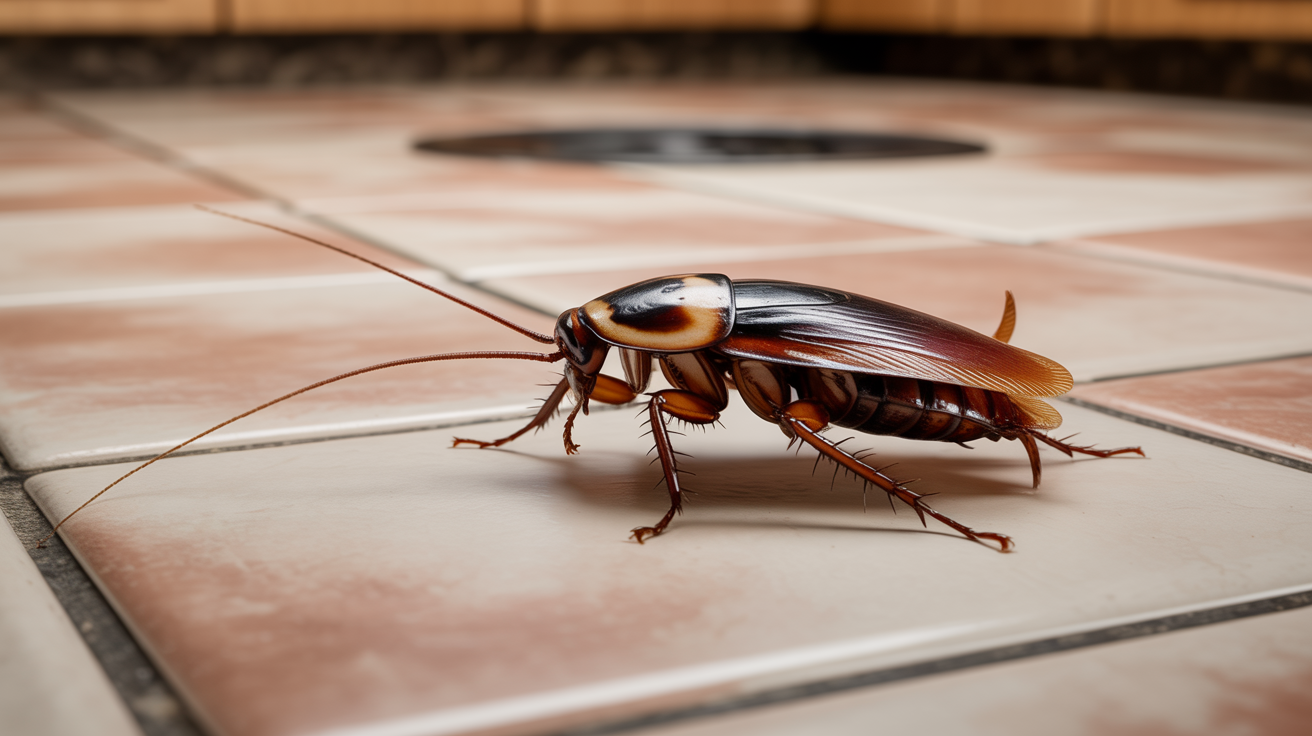
You've spotted a light brown cockroach in your Louisiana home, and now you're wondering: is this an Asian cockroach or a German cockroach? This distinction isn't just academic—it determines everything from where they're hiding to how you'll eliminate them. Asian cockroaches, relatively new to the Gulf Coast, behave dramatically differently from their indoor-loving German cousins, and misidentifying them can waste weeks of treatment efforts.
Louisiana's warm, humid climate creates perfect conditions for both species, but Asian cockroaches have been steadily expanding their range since arriving in the southeastern United States in the 1980s. Understanding which species you're dealing with is crucial because Asian cockroaches are primarily outdoor pests that fly toward lights, while German cockroaches prefer warm, indoor harborages near food and water.
Critical Identification: Asian vs German Cockroaches
At first glance, Asian cockroaches (Blattella asahinai) and German cockroaches (Blattella germanica) look nearly identical. Both are light brown, measure about ½ inch long, and have two dark stripes behind their heads. However, their behavior reveals their true identity.
Physical Differences (Subtle but Important)
- Wing length: Asian cockroaches have slightly longer wings that extend beyond their abdomen tip
- Flight capability: Asian cockroaches are strong fliers; German cockroaches rarely fly
- Antennae: Asian cockroaches have slightly longer antennae relative to body size
- Body shape: Asian cockroaches appear more streamlined for flight
Behavioral Identification (The Real Tell-Tale Signs)
| Characteristic | Asian Cockroach | German Cockroach |
|---|---|---|
| Primary habitat | Outdoors in mulch, leaf litter | Indoors near kitchen, bathroom |
| Light attraction | Strongly attracted to lights | Avoids light (nocturnal) |
| Flight behavior | Flies readily, especially at dusk | Rarely flies, prefers running |
| Entry method | Flies through open doors/windows | Hitchhikes in packages, bags |
| Peak activity | Dusk to early evening | Late night hours |
Ready to Get Started?
Free quote • No obligation • Same-day service available
Why Asian Cockroaches Thrive in Louisiana
Louisiana's climate provides ideal conditions for Asian cockroach populations. According to University of Kentucky Entomology research, Asian cockroaches prefer outdoor environments with:
- High humidity: Louisiana's 70-80% average humidity levels
- Warm temperatures: Year-round temperatures above 60°F
- Organic matter: Abundant leaf litter, mulch, and vegetation
- Shelter options: Dense landscaping and ground cover
Seasonal Patterns in the Gulf Coast
Asian cockroach activity in Louisiana follows predictable seasonal patterns:
- Spring (March-May): Population explosion as temperatures warm and reproduction increases
- Summer (June-August): Peak activity levels, maximum flight behavior at dusk
- Fall (September-November): Continued high activity, increased indoor invasion attempts
- Winter (December-February): Reduced activity but populations survive in protected outdoor areas
Health and Safety Concerns
Both Asian and German cockroaches pose health risks, but in different ways. The CDC identifies cockroach allergens as a significant trigger for asthma, particularly in children. However, the risk profiles differ:
Asian Cockroach Health Risks
- Lower indoor allergen production (primarily outdoor dwelling)
- Potential disease transmission through outdoor contamination
- Stress and anxiety from sudden indoor appearances
- Possible food contamination if they access kitchen areas
Contamination Concerns
Asian cockroaches can carry bacteria and pathogens on their bodies from outdoor sources including:
- Salmonella from decaying organic matter
- E. coli from various outdoor contamination sources
- Parasitic worms and other pathogens
- Allergens that trigger respiratory issues
Immediate Action Steps for Homeowners
If you've confirmed Asian cockroaches around your Louisiana property, take these immediate steps:
Tonight (Emergency Measures)
- Reduce light attraction: Close curtains and blinds after sunset to minimize indoor light visible from outside
- Seal entry points: Check and seal gaps around doors, windows, and vents
- Remove outdoor attractants: Turn off unnecessary outdoor lighting or switch to yellow "bug lights"
- Clear pathways: Remove items near exterior doors that could harbor cockroaches
This Week (Short-term Solutions)
- Landscape modification: Pull mulch back 2-3 feet from your home's foundation
- Moisture reduction: Fix outdoor water leaks, improve drainage around foundation
- Vegetation management: Trim bushes and plants away from exterior walls
- Lighting strategy: Install motion sensors on outdoor lights to reduce continuous illumination
This Month (Long-term Prevention)
- Habitat modification: Replace organic mulch with inorganic alternatives near the home
- Exclusion improvements: Install or repair door sweeps, window screens, and vent covers
- Monitoring system: Set up sticky traps near potential entry points
- Professional assessment: Consider a comprehensive property inspection
DIY Treatment Options and Limitations
Several DIY approaches can help manage Asian cockroach populations, but understanding their limitations is crucial for realistic expectations.
Effective DIY Methods
- Boric acid applications: Apply in cracks and crevices where cockroaches might shelter (keep away from children and pets)
- Diatomaceous earth: Food-grade DE around foundation perimeter can help reduce populations
- Gel baits: Outdoor-rated gel baits placed in protected stations
- Sticky traps: Monitor population levels and identify entry points
Why DIY Often Falls Short
Asian cockroaches present unique challenges that limit DIY effectiveness:
- Large outdoor populations: Treating your property doesn't address neighboring infestations
- Flight capability: They can easily reinfest from untreated areas
- Weather resistance: Louisiana's frequent rain washes away many treatments
- Reproduction rate: Populations can recover quickly without comprehensive treatment
When Professional Treatment Becomes Necessary
Consider professional roach control when:
- DIY efforts haven't reduced populations after 4-6 weeks
- You're seeing cockroaches indoors despite outdoor treatment
- The infestation covers multiple properties in your neighborhood
- Family members are experiencing increased asthma or allergy symptoms
- You're unable to identify and treat all outdoor harborage areas
Professional Treatment Advantages
Professional pest control services offer several advantages for Asian cockroach management:
- Targeted treatments: Professionals use specialized tools and chemicals approved for outdoor use
- Comprehensive coverage: Addressing both your property and potential neighboring sources
- Expert assessment: Identifying and treating all potential harborage areas
- Safety assurance: Ensuring treatments are applied safely and effectively
Contact Us
If you're dealing with a cockroach infestation or have questions about our services, please contact Romex Pest Control at (555) 123-4567 or visit our Contact Page for more information.