
Company History and Mission
Romex Pest Control has been serving the Gulf Coast region for over 20 years, committed to providing reliable and effective pest management solutions. Our mission is to protect homes and businesses from pest threats while educating our clients on prevention strategies. Learn more about our mission.
Ready to Get Started?
Free quote • No obligation • Same-day service available
Why Formosan Termites Are Louisiana's Billion-Dollar Problem
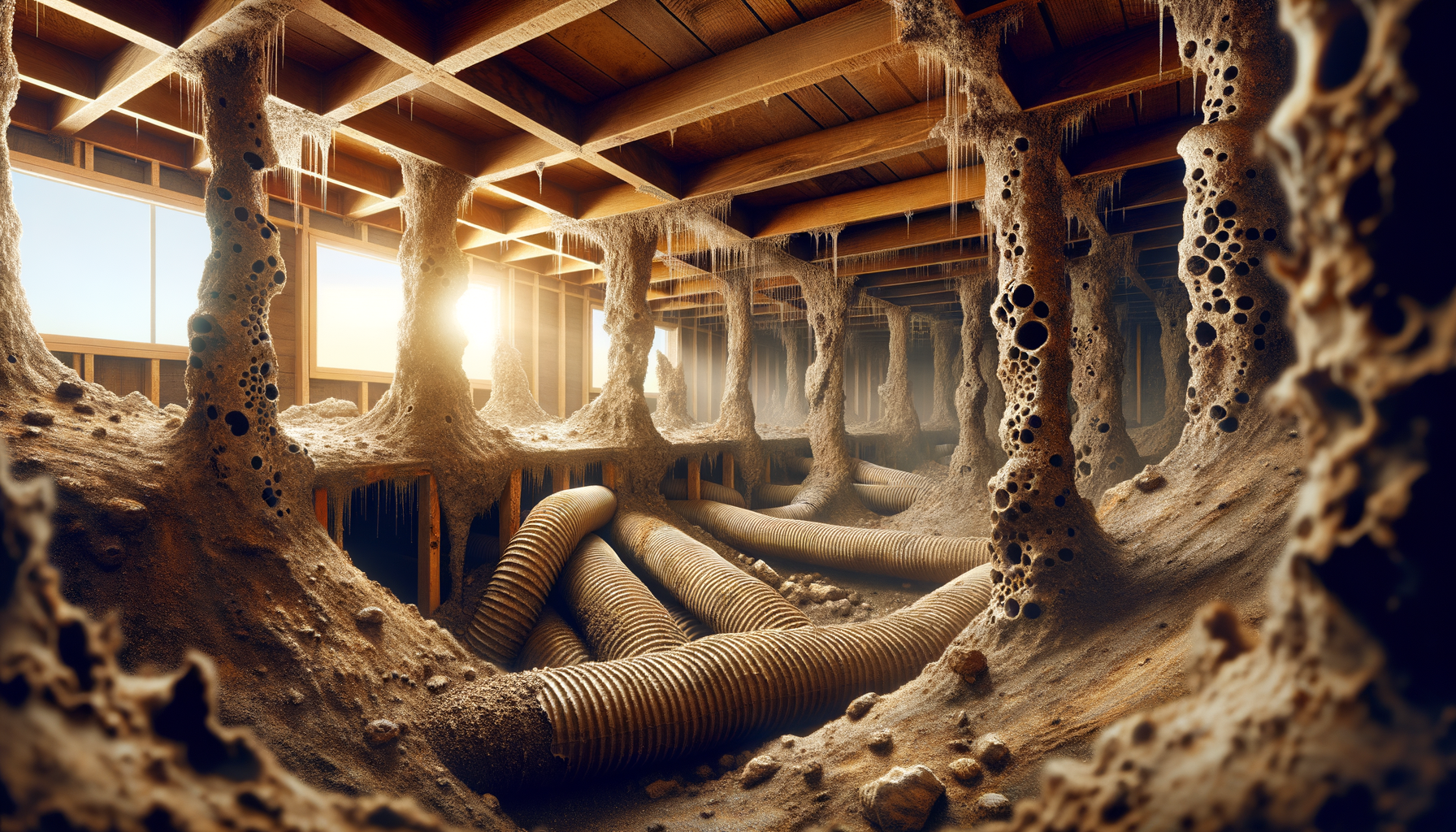
Formosan subterranean termites are a significant threat in Louisiana, causing more structural damage annually than hurricanes in some years. A single mature colony can contain 3-10 million individuals, compared to just 60,000-200,000 in native subterranean termite colonies. These 'super termites' can consume 13 ounces of cellulose daily, enough to hollow out a 2x4 stud in just 25 days. According to the Louisiana State University Agricultural Center, Formosan termites cause over $300 million in damage annually across Louisiana alone. In New Orleans' French Quarter, some historic buildings require complete structural reinforcement due to decades of undetected Formosan activity.
How to Identify Formosan Termites vs. Native Species
Distinguishing Formosan termites from native subterranean species can save you thousands in unnecessary treatments. Here's what to look for:
Formosan Termite Swarmers (Alates)
- Size: 12-15mm including wings (larger than natives)
- Color: Yellowish-brown to brown body with translucent wings
- Wings: Four wings of equal length with dense hair along wing veins
- Timing: Swarm on warm, humid evenings between April and July
- Behavior: Attracted to lights; may swarm indoors if colony is inside structure
Native Subterranean Termite Swarmers
- Size: 6-10mm including wings
- Color: Dark brown to black body
- Wings: Four wings with sparse or no hair on wing veins
- Timing: Usually swarm during daylight hours in spring
| Feature | Formosan | Native Subterranean |
|---|---|---|
| Colony Size | 3-10 million | 60,000-200,000 |
| Daily Consumption | 13 ounces | 2-3 ounces |
| Moisture Needs | Can create own moisture source | Requires ground moisture |
| Nesting | Above and below ground | Primarily underground |
Louisiana's Perfect Storm: Why Formosans Thrive Here
Climate Factors
Louisiana's subtropical climate creates ideal conditions for Formosan reproduction and survival:
- Temperature: Average annual temperature of 66-70°F allows year-round activity
- Humidity: 60-80% relative humidity supports colony growth
- Rainfall: 50-60 inches annually provides consistent moisture
Structural Vulnerabilities
Louisiana's housing stock presents unique challenges:
- Pier and beam foundations: Common in historic areas, create easy access points
- Cypress and pine construction: Preferred food sources for Formosans
- Poor drainage: Many areas retain moisture against foundations
- Landscaping: Mulch beds and plant materials near structures
Early Detection: What Louisiana Homeowners Must Watch For
Seasonal Warning Signs
Spring (March-May):
- Mud tubes along foundation walls, especially after rain
- Soft or hollow-sounding wood when tapped
- Small piles of wings near windows or doors
Summer (June-August):
- Increased swarmer activity on humid evenings
- Sagging floors or ceiling tiles
- Doors and windows that stick or won't close properly
Fall/Winter (September-February):
- Visible damage becomes apparent as activity slows
- Moisture damage from carton nests may cause paint bubbling
The 'Tap Test' Method
Use a screwdriver handle to tap exposed wooden elements every 6 months:
- Tap support beams in crawl spaces
- Test wooden porch posts and railings
- Check window and door frames
- Examine wooden steps and deck supports
Solid wood produces a sharp, clear sound. Termite-damaged wood sounds hollow or dull.
Immediate Action Steps for Louisiana Homeowners
If You Find Swarmers
- Don't panic: Swarmers themselves don't cause damage
- Collect specimens: Place 10-15 in a jar with rubbing alcohol
- Note the location and time: Indoor swarms indicate established colonies
- Take photos: Document the swarm size and location
- Call for inspection: Professional identification is crucial
If You Discover Mud Tubes
- Don't break them immediately: They provide clues about colony location
- Photograph first: Document tube patterns and thickness
- Break a small section: Active tubes will be rebuilt within 24-48 hours
- Follow the trail: Trace tubes to their source when possible
Emergency Moisture Control
While waiting for professional treatment, reduce moisture that supports colony growth:
- Fix leaking pipes, faucets, and air conditioning units
- Improve ventilation in crawl spaces and attics
- Redirect downspouts away from foundation
- Remove mulch within 18 inches of structure
- Trim vegetation touching the house
Louisiana-Specific Prevention Strategies
Foundation Management
Louisiana's unique soil and water conditions require specialized approaches:
- Install French drains: Critical in areas with poor natural drainage
- Seal expansion joints: Use termite-resistant sealants in concrete
- Maintain 6-inch clearance: Keep soil and mulch below siding level
- Install termite shields: Metal barriers on pier and beam foundations
Landscaping Modifications
- Plant selection: Choose plants that don't require frequent watering near foundations
- Mulch alternatives: Use gravel or rubber mulch within 3 feet of structure
- Tree management: Remove dead trees and stumps within 50 feet
- Irrigation systems: Avoid sprinkler heads that spray toward the house
When DIY Isn't Enough: Professional Treatment Options
Formosan termites require aggressive treatment approaches due to their large colony size and ability to establish multiple nesting sites. University of Florida research shows that DIY treatments fail against Formosan colonies 85% of the time.
Soil Treatment Systems
Professional liquid termiticides create a chemical barrier in soil around and under structures. In Louisiana's sandy soils, treatments may require reapplication every 5-7 years instead of the typical 10-year interval.
Baiting Systems
Monitoring and baiting stations placed around the property perimeter can eliminate entire colonies, including the reproductive queen. This method works particularly well for Formosan colonies due to their extensive foraging behavior.
Fumigation
For severe infestations, fumigation may be necessary to eradicate termites from the entire structure. This process involves sealing the building and introducing a gas that penetrates all areas, ensuring comprehensive treatment.
Customer Satisfaction and Feedback
At Romex Pest Control, customer satisfaction is our top priority. Here's what some of our clients have to say:
FAQs
What are the signs of a termite infestation?
Common signs include mud tubes, discarded wings, and hollow-sounding wood.
How often should I have my home inspected for termites?
It's recommended to have a professional inspection annually, especially in high-risk areas like Louisiana.
Are DIY termite treatments effective?
While some DIY methods can help, professional treatments are more reliable and effective, especially for Formosan termites.