
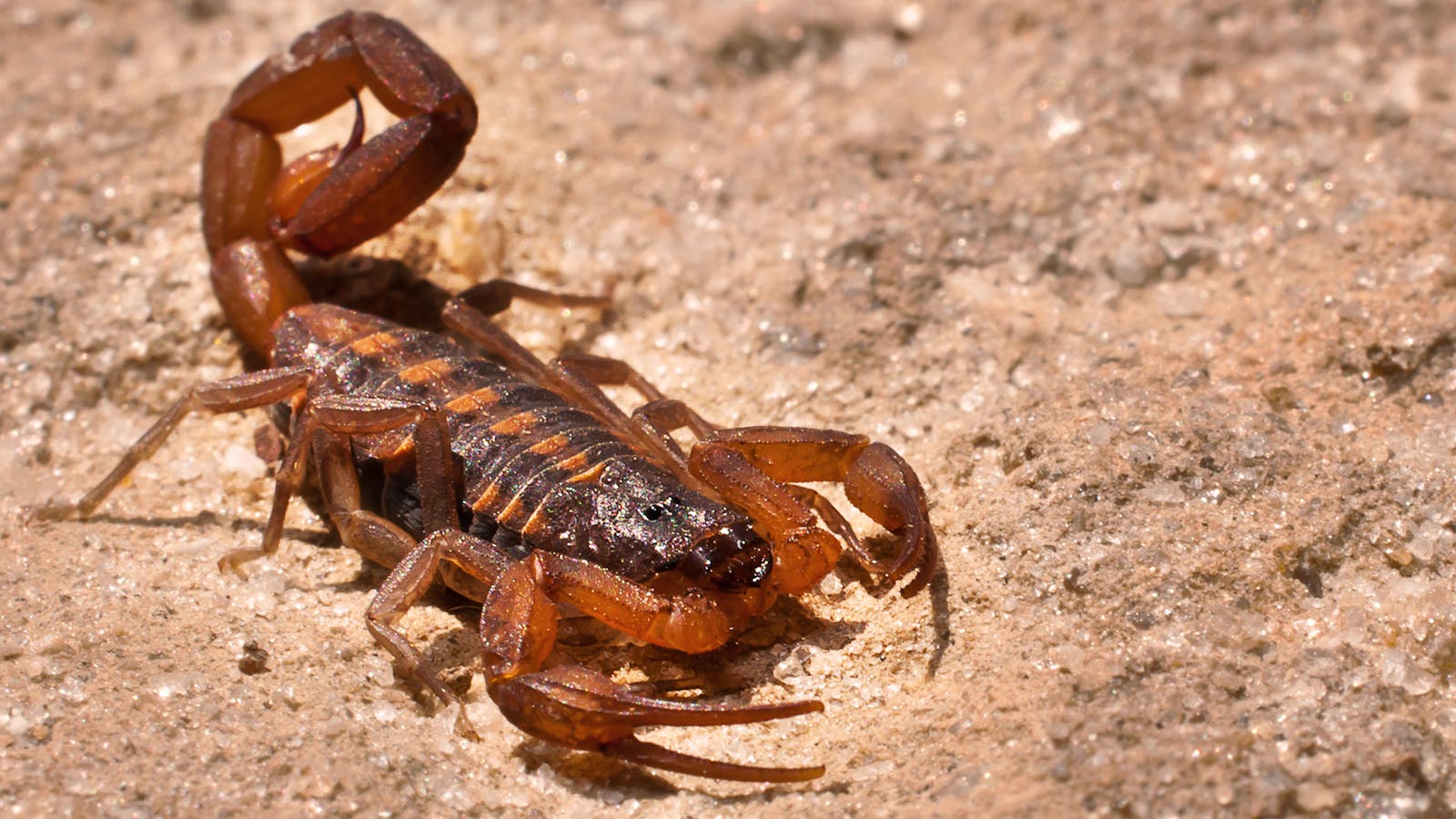
Scorpions

Romex Scorpion Control in Austin, Texas

Ella HansenJanuary 12, 20268 min read69 views
Licensed Pest Control ProfessionalServing Since 2016
Romex Scorpion Control in Austin, Texas

Austin's humid climate creates year-round cockroach breeding conditions. Learn proven prevention strategies and when professional treatment is necessary.

Research-Backed Content

This article references 3 authoritative sources including university extension programs and government agencies.

Why Austin's Climate Creates Perfect Cockroach Conditions

Austin's subtropical climate, with average humidity levels of 65-75% and temperatures ranging from 70-95°F during peak season, creates an ideal breeding ground for multiple cockroach species. The combination of consistent moisture from Lake Travis and Barton Springs, along with the urban heat island effect from concrete and asphalt, means cockroaches can reproduce year-round rather than experiencing the population dips seen in colder climates.

According to Texas A&M AgriLife Extension research, Central Texas homes experience peak roach activity from April through October, with German cockroaches capable of producing up to 6 generations per year in these conditions. This rapid reproduction cycle means a small problem can become a major infestation in just 2-3 months without proper intervention.

The Five Cockroach Species Invading Austin Homes

German Cockroaches (Blattella germanica)

The most problematic indoor species, German cockroaches are light brown with two dark stripes behind their head. Adults measure 1/2 to 5/8 inch long and prefer warm, humid areas near food and water sources. Kitchen cabinets, behind refrigerators, and bathroom vanities are prime real estate for these pests.

German cockroaches are particularly challenging because they've developed resistance to many over-the-counter pesticides. University of Kentucky Entomology research shows that populations can develop resistance to pyrethroid insecticides within 3-4 generations when exposed to sublethal doses.

American Cockroaches (Periplaneta americana)

Despite their name, American cockroaches are actually native to Africa but have established themselves throughout Texas. These large, reddish-brown insects can grow up to 2 inches long and are excellent fliers. They typically enter homes through sewer systems, drains, and gaps around utility lines.

Oriental Cockroaches (Blatta orientalis)

Often called "water bugs," Oriental cockroaches are dark brown to black and prefer cool, damp areas like basements, crawl spaces, and around leaky pipes. They're more common in older Austin neighborhoods with aging plumbing infrastructure.

Brown-banded Cockroaches (Supella longipalpa)

Smaller than German cockroaches, brown-banded roaches prefer drier conditions and are often found in upper cabinets, behind picture frames, and in electronics. They're particularly problematic in Austin's newer developments with central air conditioning.

Smokybrown Cockroaches (Periplaneta fuliginosa)

These mahogany-colored cockroaches are strong fliers attracted to lights. They're common in Austin's tree-heavy neighborhoods, often entering homes through attic vents and gaps around rooflines.

Health Risks: Beyond the "Ick" Factor

Cockroaches pose serious health risks that extend far beyond the psychological discomfort of seeing them scurry across your kitchen floor. The CDC identifies cockroaches as vectors for multiple pathogens and a significant trigger for asthma and allergies.

Disease Transmission

Cockroaches mechanically transmit bacteria, viruses, and parasites by walking through sewage, garbage, and decaying matter, then contaminating food surfaces and utensils. They're known carriers of:

  • Salmonella (causing food poisoning)
  • E. coli (gastrointestinal illness)
  • Staphylococcus (skin and respiratory infections)
  • Streptococcus (throat and skin infections)
  • Hepatitis virus
  • Polio virus

Asthma and Allergy Triggers

According to CDC research, cockroach allergens are present in 85% of urban homes and can trigger asthma attacks, especially in children. The allergens come from cockroach saliva, feces, and shed skin particles that become airborne and circulate through HVAC systems.

In Austin's humid climate, these allergens can persist in carpets, upholstery, and bedding for months after the infestation is eliminated, requiring thorough cleaning and sometimes professional remediation.

Immediate Action Steps You Can Take Today

Eliminate Water Sources

Cockroaches can survive up to a month without food but only a week without water. Conduct a thorough inspection of your home and address these moisture issues immediately:

  • Fix leaky faucets, pipes, and appliances
  • Clean up pet water bowls overnight
  • Empty and dry sink drains before bed
  • Check for condensation around AC units and ductwork
  • Ensure proper ventilation in bathrooms and kitchens
  • Clean out clogged gutters that create standing water near your foundation

Food Source Elimination

Cockroaches are omnivorous scavengers that will eat virtually anything organic. Texas A&M research shows they're particularly attracted to starchy foods, grease, and sugar. Implement these food sanitation practices:

  • Store all food in sealed glass or thick plastic containers
  • Clean up crumbs and spills immediately
  • Wipe down counters with disinfectant daily
  • Take garbage out nightly and use tight-fitting lids
  • Clean behind and under appliances monthly
  • Don't leave dirty dishes in the sink overnight
  • Store pet food in sealed containers

Harborage Elimination

Cockroaches need tight spaces to hide during daylight hours. Reduce available hiding spots by:

  • Sealing cracks and crevices with caulk or foam
  • Installing door sweeps and weatherstripping
  • Removing cardboard boxes and paper clutter
  • Organizing storage areas to eliminate hiding spots
  • Trimming vegetation away from exterior walls

Austin-Specific Prevention Strategies

Dealing with Caliche Clay Soil

Austin's expansive clay soil creates unique challenges for pest prevention. During dry periods, the clay shrinks and creates gaps around foundation slabs that provide entry points for cockroaches. During wet periods, poor drainage can create moisture problems that attract pests.

Install proper drainage around your foundation and consider having expansion joints professionally sealed. Monitor for new cracks after periods of drought followed by heavy rain, which are common in Central Texas weather patterns.

Managing Tree Cover and Leaf Litter

Austin's abundant live oaks and other native trees create ideal outdoor harborage for cockroaches, particularly smokybrown and American species. These outdoor populations serve as a constant source of potential indoor invaders.

Maintain a 3-foot clearance zone around your home's perimeter by removing leaf litter, mulch, and vegetation. While this may seem contrary to Austin's environmental values, this barrier zone significantly reduces pest pressure without impacting the broader ecosystem.

HVAC Considerations for Austin Homes

Central Texas homes rely heavily on air conditioning from April through October. Cockroaches often use ductwork as highways throughout the home and can establish breeding sites in condensate drains and around air handlers.

Have your HVAC system professionally inspected annually, ensure condensate drains are clear and properly trapped, and consider installing fine mesh screens over exterior vents that don't impede airflow.

When DIY Methods Aren't Enough: Recognizing Professional Treatment Needs

While the prevention strategies above are essential for long-term success, established cockroach infestations typically require professional intervention. German cockroaches, in particular, have developed sophisticated resistance mechanisms that render most consumer-available products ineffective.

Signs You Need Professional Help

  • Seeing cockroaches during daylight hours (indicates overcrowding)
  • Finding egg cases (oothecae) in cabinets or behind appliances
  • Detecting a musty, oily odor in infested areas
  • Discovering fecal spots that look like black pepper or coffee grounds
  • Family members experiencing increased asthma or allergy symptoms
  • DIY treatments have failed after 2-3 weeks of consistent application

Professional Treatment Approaches

Modern professional cockroach control relies on targeted applications of professional-grade baits and growth regulators rather than broad-spectrum sprays. These methods are more effective because they exploit cockroach behavior patterns and social structures.

Gel baits containing active ingredients like fipronil or indoxacarb are applied in precise locations where cockroaches travel and feed. The slow-acting formulation allows poisoned cockroaches to return to harborage areas and contaminate other colony members through contact and consumption of feces and vomit.

Insect growth regulators (IGRs) prevent cockroach nymphs from developing into reproductive adults, breaking the breeding cycle even when adult populations persist.

Long-term Management for Austin Homeowners

Seasonal Monitoring Schedule

Effective cockroach management requires year-round vigilance, with intensified monitoring during peak activity periods. Implement this seasonal schedule:

SeasonKey ActivitiesFocus Areas
Spring (March-May)Deep clean after winter, inspect for entry pointsKitchen deep clean, seal winter damage
Summer (June-August)Monitor for increased activity, maintain moisture controlAC condensate management, outdoor perimeter
Fall (September-November)Prepare for overwintering populations seeking indoor shelterEntry point sealing, attic and basement inspection
Winter (December-February)Monitor indoor populations, plan spring preventionIndoor sanitation, heating system areas

Documentation and Monitoring

Keep a simple log of cockroach sightings, including location, time of day, and species if identifiable. This information helps identify problem areas and track treatment effectiveness. Many Austin homeowners find that activity patterns correlate with specific weather events, such as the heavy rains common during spring and fall transitions.

The Role of Community-Wide Management

Cockroach management is most effective when approached at a neighborhood level. In Austin's dense urban areas, particularly around the University of Texas campus and downtown corridors, cockroaches easily move between adjacent properties through shared walls, utility lines, and sewer systems.

Consider discussing pest management with neighbors, especially in condominiums, townhomes, and apartment complexes. Coordinate with property management to address building-wide issues like plumbing leaks, trash management, and exterior maintenance that affects the entire community.

Environmental Considerations for Austin Residents

Austin residents are often environmentally conscious and concerned about pesticide impacts on local ecosystems, particularly around Barton Springs and other sensitive waterways. Modern professional pest control emphasizes targeted applications that minimize environmental impact while maximizing effectiveness against target pests.

Professional-grade baits and IGRs pose minimal risk to non-target organisms when properly applied, as they're designed to exploit specific cockroach behaviors and biology. These methods are far more environmentally responsible than repeated applications of consumer sprays, which often lead to resistance development and require increasingly frequent treatments.

Getting Professional Help in Austin

If you're dealing with persistent cockroach problems despite implementing these prevention strategies, professional intervention can provide the targeted approach needed to eliminate established populations and prevent future infestations.

At Romex Pest Control, we understand the unique challenges Austin homeowners face with cockroach management. Our Austin team is familiar with local pest pressure patterns, building construction methods, and environmental considerations specific to Central Texas.

For professional pest control services, contact Romex Pest Control at (844) 955-2447. Our treatments are designed to protect your home and family while respecting Austin's environmental values.

Sources and Additional Information

References & Sources

  • University of Kentucky Entomology - CockroachesVisit Source(Accessed: 2026-04-01)
  • CDC - Cockroach AllergensVisit Source(Accessed: 2026-04-01)
  • Texas A&M AgriLife Extension - Cockroach ControlVisit Source(Accessed: 2026-04-01)

Editorial Standards

All content is reviewed by licensed pest control professionals and fact-checked against university extension publications and peer-reviewed research. We prioritize accuracy and practical, actionable advice based on real-world experience.

Need Professional Pest Control?

Our licensed technicians bring since 2016 to every job. Get a free quote and customized treatment plan.

EH

About the Author

Ella Hansen, Pest Control Marketing Expert at Romex Pest Control

Ella Hansen is a pest control marketing specialist at Romex Pest Control, leveraging in-house expertise and external industry resources to deliver actionable pest management content. With deep knowledge of pest control across Texas, Louisiana, Oklahoma, and Mississippi, she translates complex pest biology into practical solutions for homeowners.

Licensed Pest Control Professional
Serving Since 2016