
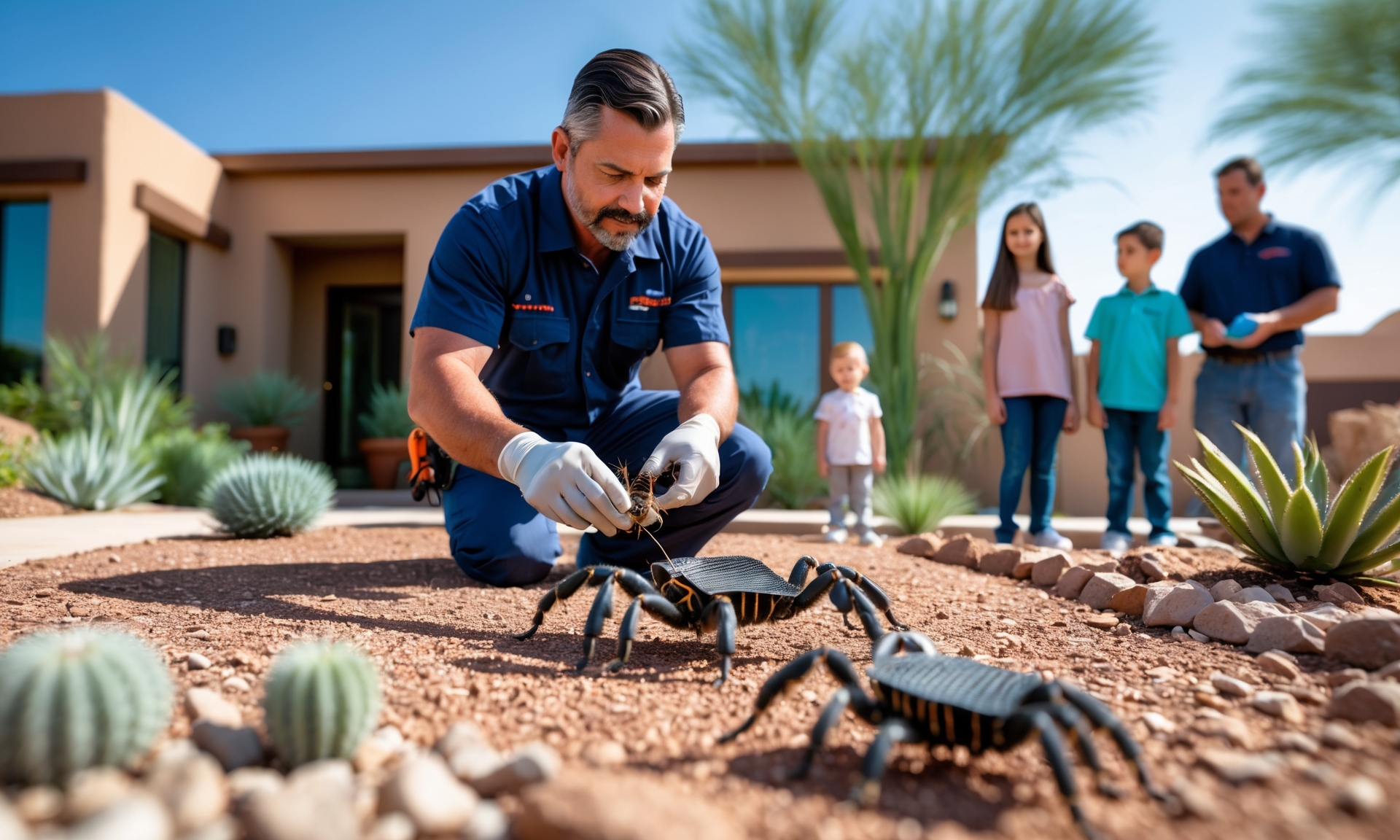
Scorpions

Romex Scorpion Control in Dallas-Fort Worth

Ella HansenJanuary 12, 202612 min read49 views
Licensed Pest Control ProfessionalServing Since 2016
Romex Scorpion Control in Dallas-Fort Worth

Science-based cockroach control strategies for Dallas-Fort Worth homes. Learn why traditional methods fail and discover proven elimination techniques.

Research-Backed Content

This article references 3 authoritative sources including university extension programs and government agencies.

If you've spotted a roach scurrying across your Dallas kitchen floor at 2 AM, you're not alone. The warm, humid climate of North Texas creates perfect conditions for multiple cockroach species to thrive year-round. But here's what most homeowners don't realize: that single roach you saw likely represents dozens more hiding in your walls, and traditional spray-and-pray approaches often make the problem worse by scattering colonies throughout your home.

This comprehensive guide reveals the science-based strategies that actually eliminate cockroach infestations in DFW homes, including specific techniques you can implement today and critical mistakes that turn minor problems into major nightmares.

The Dallas Cockroach Reality: Why Traditional Methods Fail

Dallas-Fort Worth's climate data tells the story: average humidity levels of 65-75% combined with temperatures rarely dropping below freezing create a cockroach paradise. According to Texas A&M AgriLife Extension research, North Texas homes commonly harbor three primary species, each requiring different control approaches.

German Cockroaches: The Kitchen Invaders

German cockroaches (Blattella germanica) are the most problematic species in DFW homes. These light brown insects with two dark stripes behind their heads reproduce at alarming rates—a single female can produce 300-400 offspring in one year. They prefer temperatures between 70-75°F and need water sources, making Dallas kitchens and bathrooms ideal habitats.

American Cockroaches: The Sewer Migrants

American cockroaches (Periplaneta americana) are the large, reddish-brown roaches that often enter Dallas homes through plumbing connections and foundation cracks. These can grow up to 2 inches long and are excellent fliers, especially during hot summer evenings when they're attracted to outdoor lighting.

Oriental Cockroaches: The Moisture Seekers

Oriental cockroaches (Blatta orientalis) thrive in Dallas's humid conditions, particularly in basements, crawl spaces, and areas with poor drainage. They're often called "water bugs" but are true cockroaches that can survive in cooler conditions than other species.

The Science of Effective Cockroach Elimination

Modern cockroach control relies on understanding insect biology and behavior rather than simply applying pesticides. Research from the Centers for Disease Control and Prevention emphasizes that successful elimination requires disrupting multiple aspects of the cockroach life cycle simultaneously.

Gel Bait Technology: The Game Changer

Professional-grade gel baits work by exploiting cockroach social behavior. When one roach consumes the bait and dies, other roaches feed on the carcass and feces, creating a cascading elimination effect throughout the colony. This method is far more effective than contact sprays, which often scatter populations and create pesticide-resistant survivors.

Control MethodEffectiveness TimelineResistance DevelopmentPopulation Impact
Contact SpraysImmediate knockdownHigh (2-3 generations)Scatters colonies
Gel Baits7-14 daysLow (slower development)Eliminates entire colonies
Dust Formulations14-21 daysVery lowLong-term residual

Exclusion: The Overlooked Foundation

Texas A&M research emphasizes that exclusion work prevents 60-80% of new infestations. In Dallas homes, critical exclusion points include:

  • Plumbing penetrations: Gaps around pipes under sinks and behind appliances
  • Electrical outlets: Especially those on exterior walls or shared walls in apartments
  • Foundation cracks: Common in North Texas due to clay soil expansion and contraction
  • Door and window seals: Weatherstripping gaps larger than 1/16 inch allow entry

DIY Strategies That Actually Work in Dallas Homes

While severe infestations require professional intervention, homeowners can implement several evidence-based strategies immediately:

The 48-Hour Moisture Audit

Cockroaches can survive weeks without food but only days without water. Conduct a thorough moisture audit of your home:

  • Fix leaky faucets and pipes immediately
  • Install dehumidifiers in basements and crawl spaces (target humidity below 50%)
  • Ensure proper ventilation in bathrooms and kitchens
  • Check and clean refrigerator drip pans monthly
  • Address any roof leaks or poor drainage around the foundation

Strategic Cleaning Protocols

Regular cleaning alone won't eliminate established populations, but specific cleaning strategies significantly reduce attractants:

  • Grease elimination: Clean behind and under appliances monthly—grease buildup is a primary food source
  • Crumb control: Vacuum daily, paying special attention to cracks between appliances and cabinets
  • Garbage management: Use tight-fitting lids and remove garbage every 2-3 days maximum
  • Pet food storage: Store in sealed containers; never leave pet food out overnight

Monitoring and Early Detection

Early detection prevents small problems from becoming major infestations. Place sticky traps in key locations:

  • Behind refrigerators and stoves
  • Under kitchen and bathroom sinks
  • In pantries and food storage areas
  • Along baseboards in bedrooms

When DIY Isn't Enough: Professional Intervention Signals

Certain situations require immediate professional assessment:

  • Daytime sightings: Roaches active during daylight indicate severe overcrowding
  • Multiple species present: Different species require different treatment approaches
  • Apartment or townhome infestations: Shared walls make elimination complex
  • Health concerns: CDC research links cockroach allergens to asthma, particularly in children
  • Previous treatment failures: Multiple failed DIY attempts often create pesticide-resistant populations

The Dallas-Specific Challenge: Climate and Construction

Dallas homes face unique cockroach pressure due to regional factors:

Clay Soil Foundation Issues

North Texas clay soil expands and contracts dramatically with moisture changes, creating foundation cracks that provide cockroach entry points. Annual foundation inspections and prompt crack sealing are essential preventive measures.

Urban Heat Island Effect

Dallas's urban heat island effect extends the active season for cockroaches. While rural areas may see reduced activity during winter months, urban Dallas maintains temperatures that support year-round breeding cycles.

Aging Infrastructure

Many Dallas neighborhoods feature homes built before modern pest-proofing standards. Older homes often have larger gaps around plumbing and electrical penetrations, requiring more extensive exclusion work.

Health Implications: Beyond the "Ick Factor"

Cockroaches pose legitimate health risks that extend beyond simple disgust. CDC research has established clear links between cockroach infestations and respiratory health problems.

Allergen Production

Cockroach allergens are found in saliva, feces, and shed skin. These allergens become airborne and can trigger asthma attacks, particularly in children. Studies show that cockroach allergen exposure is a significant risk factor for emergency room visits among urban children with asthma.

Disease Transmission Potential

While cockroaches aren't direct disease vectors like mosquitoes, they can mechanically transmit pathogens by walking through sewage, garbage, and other contaminated areas before contacting food surfaces and utensils.

Prevention: Building Long-Term Cockroach Resistance

Successful cockroach prevention requires ongoing vigilance and systematic approaches:

Seasonal Maintenance Schedule

Spring (March-May):

  • Inspect and seal foundation cracks after winter freeze-thaw cycles
  • Clean and organize storage areas
  • Service HVAC systems and check for moisture issues

Summer (June-August):

  • Monitor humidity levels and adjust dehumidification
  • Increase cleaning frequency during peak activity periods
  • Inspect outdoor lighting and consider yellow bulbs to reduce attraction

Fall (September-November):

  • Seal gaps around windows and doors before roaches seek winter shelter
  • Clean gutters and ensure proper drainage
  • Store seasonal items in sealed containers

Winter (December-February):

  • Monitor indoor humidity levels with heating system use
  • Inspect for and seal any new cracks or gaps
  • Plan any necessary renovation work for spring

Professional Treatment: What to Expect and Demand

When professional treatment becomes necessary, educated homeowners get better results. Here's what effective professional cockroach control should include:

Comprehensive Inspection

A thorough inspection should identify species present, population levels, harborage areas, and contributing conditions. This typically takes 30-45 minutes for an average home and should result in a detailed written assessment.

Targeted Treatment Strategy

Effective professional treatment combines multiple approaches:

  • Strategic gel bait placement in identified harborage areas
  • Dust applications in wall voids and inaccessible areas
  • Growth regulator applications to disrupt reproduction
  • Exclusion recommendations and implementation

Follow-Up and Monitoring

Professional treatments require follow-up visits to assess effectiveness and make adjustments. Initial treatments should show significant population reduction within 2-3 weeks, with follow-up visits scheduled at 30-day intervals until elimination is achieved.

Cost Considerations and Treatment Value

Professional cockroach control costs vary based on infestation severity and home size, but the investment typically pays for itself through:

  • Reduced food contamination and waste
  • Lower health care costs related to asthma and allergies
  • Prevention of property damage from large infestations
  • Peace of mind and improved quality of life

DIY approaches may seem cost-effective initially, but failed treatments often result in larger populations that require more extensive professional intervention.

Moving Forward: Your Action Plan

Whether you choose DIY methods or professional treatment, success requires systematic implementation:

  1. Immediate actions (Today): Fix water leaks, clean thoroughly, place monitoring traps
  2. This week: Complete moisture audit, seal obvious entry points, organize food storage
  3. This month: Assess trap catches, evaluate treatment effectiveness, plan long-term prevention
  4. Ongoing: Maintain cleaning protocols, monitor for new activity, address maintenance issues promptly

Remember that cockroach control is a process, not a single event. Successful elimination requires patience, persistence, and often professional expertise.

Conclusion

Cockroach control in Dallas-Fort Worth requires understanding both insect biology and regional environmental factors. While the warm, humid climate creates ideal conditions for multiple cockroach species, science-based approaches can achieve effective elimination and long-term prevention.

The key is moving beyond reactive spraying to proactive, systematic strategies that address root causes. Whether implementing DIY solutions or working with professionals, focus on moisture control, exclusion, and targeted treatments rather than broad-spectrum pesticide applications.

For severe infestations or situations where DIY approaches have failed, professional intervention can provide the expertise and tools necessary for complete elimination. The investment in proper treatment pays dividends in health protection, food safety, and peace of mind.

For professional cockroach control services in the Dallas-Fort Worth area, contact Romex Pest Control at (844) 955-2447. Our specialists understand the unique challenges of North Texas cockroach control and can develop targeted solutions for your specific situation.

Sources and Additional Reading

References & Sources

  • University of Kentucky Entomology - CockroachesVisit Source(Accessed: 2026-04-01)
  • CDC - Cockroach AllergensVisit Source(Accessed: 2026-04-01)
  • Texas A&M AgriLife Extension - Cockroach ControlVisit Source(Accessed: 2026-04-01)

Editorial Standards

All content is reviewed by licensed pest control professionals and fact-checked against university extension publications and peer-reviewed research. We prioritize accuracy and practical, actionable advice based on real-world experience.

Need Professional Pest Control?

Our licensed technicians bring since 2016 to every job. Get a free quote and customized treatment plan.

EH

About the Author

Ella Hansen, Pest Control Marketing Expert at Romex Pest Control

Ella Hansen is a pest control marketing specialist at Romex Pest Control, leveraging in-house expertise and external industry resources to deliver actionable pest management content. With deep knowledge of pest control across Texas, Louisiana, Oklahoma, and Mississippi, she translates complex pest biology into practical solutions for homeowners.

Licensed Pest Control Professional
Serving Since 2016