
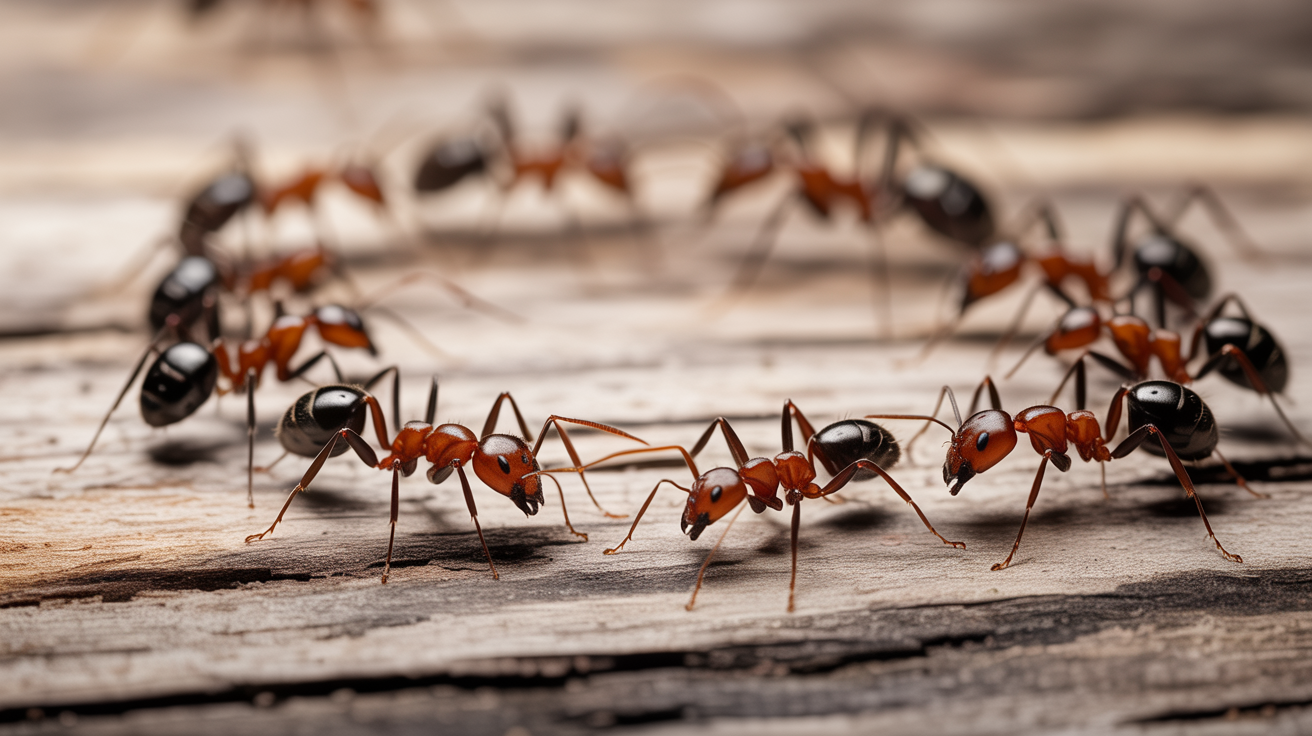
Ant invasions can be a persistent problem for homeowners, especially in regions like Texas, Louisiana, Oklahoma, and Mississippi. Understanding the root causes and implementing a strategic prevention plan is crucial. This guide offers insights from pest control experts and research-backed strategies to keep your home ant-free.
Understanding Your Enemy: Why Ants Choose Your Home
Ants are not random wanderers; they follow a sophisticated communication system. According to research from Texas A&M AgriLife Extension, ants invade homes for three primary reasons:
- Food sources: Even microscopic crumbs can sustain entire colonies.
- Water access: Leaky pipes or condensation create ideal conditions.
- Nesting sites: Wall voids or landscape mulch offer protection.
Ready to Get Started?
Free quote • No obligation • Same-day service available
Regional Ant Species: Know Your Local Invaders
The species you're dealing with determines your most effective prevention strategy. Here's what homeowners in our service areas commonly encounter:
Texas (DFW, Austin, San Antonio, Tyler)
- Red Imported Fire Ants: Aggressive outdoor nesters that occasionally invade homes during flooding.
- Pharaoh Ants: Small, light-colored ants that prefer warm, humid areas like bathrooms.
- Carpenter Ants: Large black ants that excavate wood, particularly problematic in East Texas.
Oklahoma (OKC, Tulsa, Edmond)
- Pavement Ants: Dark brown ants that nest under concrete slabs and driveways.
- Odorous House Ants: Emit a coconut-like smell when crushed, common in kitchen invasions.
Louisiana and Mississippi Gulf Coast
- Argentine Ants: Form massive super-colonies, particularly active during humid summers.
- Crazy Ants: Erratic movement patterns, attracted to electrical equipment.
The 48-Hour Ant-Proofing Protocol
This systematic approach addresses the root causes of ant invasions. Follow these steps over two days for maximum effectiveness:
Day 1: Elimination Phase
Morning (2 hours)
- Deep clean food areas: Remove everything from pantries, wipe down shelves with white vinegar solution (1:1 ratio with water).
- Seal food containers: Transfer cereals, pet food, and dry goods into airtight glass or thick plastic containers.
- Clean appliances: Pull out refrigerator, stove, and dishwasher. Vacuum debris and wipe down with degreasing cleaner.
Afternoon (1.5 hours)
- Address moisture sources: Fix leaky faucets, wipe down condensation under sinks, empty pet water bowls overnight.
- Remove ant trails: Clean visible ant paths with bleach solution (1 tablespoon per quart of water) to eliminate pheromone trails.
Day 2: Fortification Phase
Morning (3 hours)
- Exterior inspection: Walk your home's perimeter, marking entry points with chalk.
- Seal cracks: Use silicone caulk for gaps around windows, doors, and utility penetrations.
- Trim vegetation: Cut back shrubs and tree branches touching your home's exterior.
Afternoon (2 hours)
- Create barrier zones: Apply food-grade diatomaceous earth around potential entry points.
- Install door sweeps: Ensure no gaps exist under exterior doors.
Natural Deterrents That Actually Work
University of Arkansas Extension research has validated several natural ant deterrents. Here are the most effective options:
| Natural Deterrent | Active Compound | Application Method | Effectiveness Duration |
|---|---|---|---|
| Coffee grounds | Caffeine | Sprinkle around entry points | 3-5 days |
| Cinnamon | Cinnamaldehyde | Essential oil on cotton balls | 1 week |
| Peppermint oil | Menthol | 10 drops per cup of water spray | 4-7 days |
| Diatomaceous earth | Silica | Thin layer along baseboards | Until disturbed |
The Science of Ant Baiting: When Prevention Isn't Enough
If ants have already established trails in your home, you'll need to eliminate the source colony. This requires understanding ant biology and behavior patterns.
Bait Selection Strategy
Ant dietary preferences change seasonally. EPA guidelines recommend matching bait types to current colony needs:
- Spring (March-May): Protein-based baits for colony expansion.
- Summer (June-August): Sugar-based baits for energy needs.
- Fall (September-November): Fat-based baits for winter preparation.
Strategic Bait Placement
- Along ant trails: Place baits every 6-10 feet along established routes.
- Near entry points: Position baits within 3 feet of cracks and crevices.
- Multiple locations: Use 4-6 bait stations for average-sized homes.
Critical timing: Allow 7-14 days for bait to reach the colony. Resist the urge to clean up dead ants immediately—this indicates the bait is working.
Seasonal Prevention Calendar
Ant activity patterns vary dramatically throughout the year in our service regions. Proactive homeowners adjust their prevention strategies accordingly:
Spring Preparation (February-March)
- Inspect and repair winter damage to exterior caulking.
- Clean up fallen branches and debris from landscaping.
- Check for moisture damage in crawl spaces and basements.
Summer Vigilance (May-August)
- Weekly inspection of kitchen and bathroom areas.
- Maintain consistent cleaning schedules.
- Monitor outdoor ant activity near foundation.
Fall Fortification (September-October)
- Seal exterior cracks before cold weather.
- Remove food sources from garages and storage areas.
- Clean up fallen fruit from trees.
Winter Monitoring (November-January)
- Check for ant activity in warm areas (near heaters, water heaters).
- Maintain moisture control in heated spaces.
- Plan spring prevention strategies.
When DIY Methods Aren't Enough
Some ant problems require professional intervention. Consider calling experts when you experience:
- Persistent re-infestation: Ants return within days of treatment.
- Multiple species: Different ant types require different approaches.
- Structural damage: Carpenter ants can compromise wood integrity.
- Large outdoor colonies: Fire ant mounds near your foundation.
- Electrical interference: Crazy ants in outlets or appliances.
Professional ant control services can identify species, locate colony sources, and apply targeted treatments that aren't available to consumers.
Maintenance: Keeping Ants Out Permanently
Long-term ant prevention requires consistent habits rather than intensive treatments. Implement these weekly and monthly routines:
Weekly Tasks (15 minutes)
- Wipe down kitchen counters with vinegar solution.
- Check for new ant trails and remove them immediately.
- Inspect food storage areas for spills or crumbs.
Monthly Tasks (1 hour)
- Inspect exterior for new entry points and seal them.
- Reapply natural deterrents around entry points.
- Review and adjust bait stations as needed.
FAQ
What are the most common types of ants in Texas?
In Texas, homeowners often encounter Red Imported Fire Ants, Pharaoh Ants, and Carpenter Ants.
Are natural deterrents effective against ants?
Yes, natural deterrents like peppermint oil and diatomaceous earth can be effective, but they should be part of a comprehensive prevention strategy.
When should I call a professional for ant control?
Consider professional help if you experience persistent infestations, multiple ant species, or structural damage.