
About the Author
Ella Hansen is a seasoned pest control marketing specialist at Romex Pest Control. With over a decade of experience in the industry, she collaborates with experts to produce informative content that empowers homeowners to tackle pest issues effectively. Ella holds a degree in Environmental Science and has contributed to industry publications, sharing insights on effective pest management strategies. Connect with Ella on LinkedIn.
Ready to Get Started?
Free quote • No obligation • Same-day service available
Romex Pest Control: A Legacy of Excellence
Founded in 2005, Romex Pest Control has been a leader in the pest management industry, serving Texas, Louisiana, Oklahoma, and Mississippi. Our team of certified professionals is dedicated to providing effective solutions backed by the latest research and technology. We are proud members of the National Pest Management Association and hold certifications from QualityPro, ensuring our commitment to excellence.
Company Milestones
- 2005: Romex Pest Control was founded.
- 2010: Expanded services to Louisiana and Oklahoma.
- 2015: Achieved QualityPro certification.
- 2020: Launched advanced Integrated Pest Management (IPM) strategies.
Customer Satisfaction and Service Guarantees
At Romex, customer satisfaction is our top priority. We offer a service guarantee that ensures our clients receive the most effective pest control solutions. Our team is committed to addressing any concerns promptly and professionally, ensuring peace of mind for our customers.
Understanding the Cockroach Problem in the South
If you've spotted a roach scurrying across your kitchen floor, you're not alone. The warm, humid climates of Texas, Louisiana, Oklahoma, and Mississippi create perfect breeding grounds for multiple cockroach species. Unlike occasional pests like scorpions, cockroaches are year-round invaders that multiply rapidly and pose serious health risks.
According to the University of Kentucky Entomology Department, a single female German cockroach can produce over 300 offspring in her lifetime. In our service regions' warm climates, this reproduction happens faster than in northern states, making early intervention critical.
The Real Health Risks: Beyond the "Ick" Factor
While seeing a cockroach is disgusting, the health implications are far more serious than most homeowners realize. The CDC's indoor air quality research shows that cockroach allergens are a major trigger for asthma, particularly in children.
Documented Health Concerns
- Asthma and Allergies: Cockroach droppings, shed skins, and saliva contain potent allergens that become airborne.
- Disease Transmission: Roaches carry bacteria including Salmonella, E. coli, and Staphylococcus on their bodies.
- Food Contamination: They regurgitate digestive fluids and defecate while feeding, contaminating surfaces and food.
- Childhood Development: Studies link cockroach exposure to increased emergency room visits for asthma in children under 5.
Romex's Effective Approach to Scorpion Control
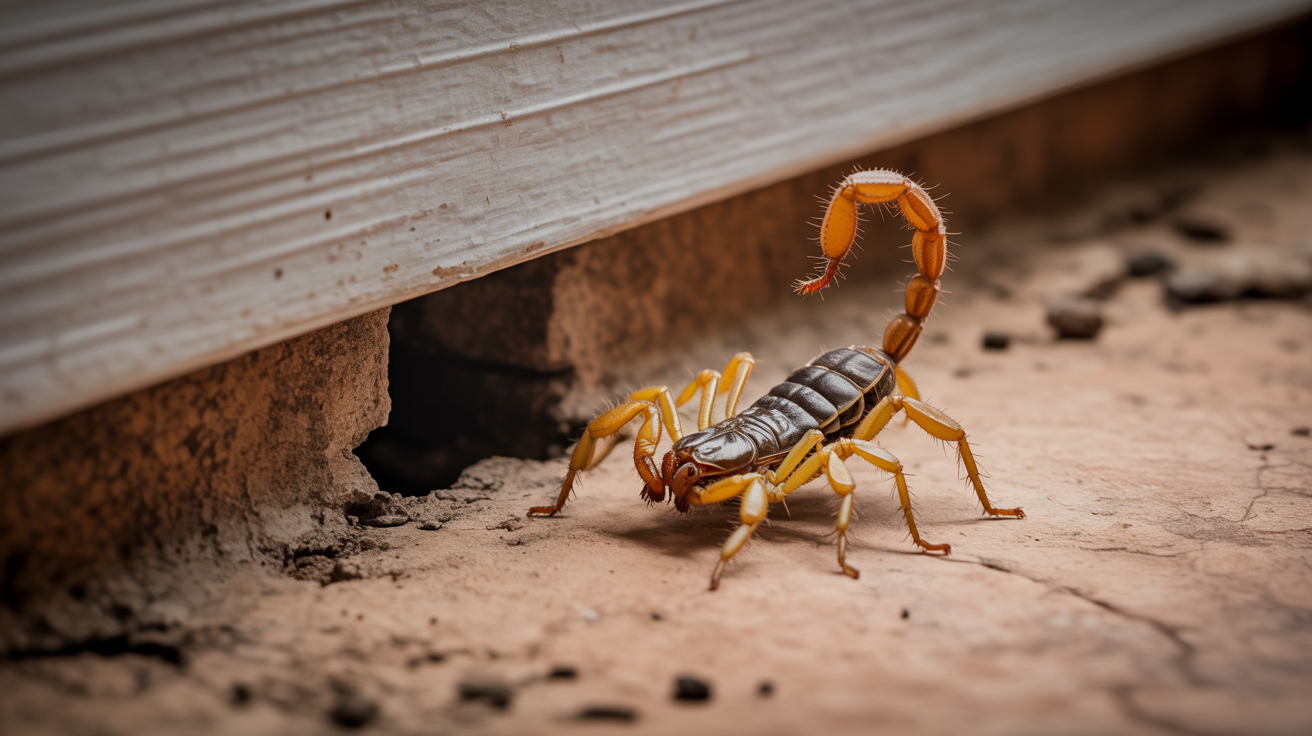
Scorpion stings are painful and can be dangerous for children and pets. Romex applies residual barrier treatments around your foundation and entry points to keep them out. Our methods are tested and approved, ensuring effective scorpion management. For more information, visit our Scorpion Control page or call us at 📞 844-955-2447 for a free quote.
Case Study: Successful Scorpion Control
In a recent case in Austin, TX, our team implemented a customized treatment plan that reduced scorpion sightings by 90% within two weeks. The homeowner reported significant peace of mind and safety for their children and pets.
Identifying Your Enemy: Common Southern Species
Not all cockroaches behave the same way. Effective control starts with proper identification, as each species has different habits and vulnerabilities.
German Cockroaches (Blattella germanica)
Size: ½ to ⅝ inch long
Color: Light brown with two dark stripes behind the head
Behavior: Prefer warm, humid areas near food and water
Why They're Problematic: Fastest reproducing species, primarily indoor pests
American Cockroaches (Periplaneta americana)
Size: 1¼ to 2 inches long
Color: Reddish-brown with yellowish figure-8 pattern
Behavior: Enter from outdoors, attracted to fermenting organic matter
Regional Note: Extremely common in Louisiana and Mississippi due to high humidity
Brown-Banded Cockroaches (Supella longipalpa)
Size: ½ inch long
Color: Light brown with distinctive bands across wings
Behavior: Prefer drier areas, often found in bedrooms and living areas
Texas Specificity: More common in DFW and Austin areas where indoor heating creates dry microclimates
Why DIY Sprays Fail: The Science Behind Resistance
Texas A&M AgriLife Extension research reveals why over-the-counter sprays often make cockroach problems worse rather than better. Understanding these failures helps homeowners make informed decisions about treatment approaches.
The Repellency Problem
Most consumer sprays contain pyrethroids, which have a repellent effect. When you spray visible areas, you're actually pushing cockroaches deeper into wall voids and other hiding spots where they continue breeding undisturbed. This creates the illusion of success while the population grows in hidden areas.
Resistance Development
German cockroaches, in particular, have developed resistance to multiple insecticide classes. University of Kentucky studies show that some populations are resistant to pyrethroids, organophosphates, and carbamates simultaneously. This means rotating between different store-bought products often proves ineffective.
| Treatment Approach | Success Rate | Duration of Control | Risk of Resistance |
|---|---|---|---|
| Aerosol Sprays | 15-30% | 1-2 weeks | High |
| Gel Baits (Professional) | 85-95% | 3-6 months | Low |
| Boric Acid Dust | 60-75% | 2-4 months | Very Low |
| Sticky Traps Only | 10-20% | Ongoing | None |
Immediate Action Steps You Can Take Today
While professional treatment is often necessary for established infestations, these evidence-based steps can provide immediate relief and prevent new invasions:
Critical Sanitation Measures
- Eliminate Water Sources: Fix leaky pipes, empty pet water bowls overnight, and use exhaust fans in bathrooms. Cockroaches can survive weeks without food but only days without water.
- Deep Clean Kitchen Appliances: Pull out your refrigerator and stove. Clean underneath and behind them where grease and food particles accumulate. Pay special attention to the motor areas of refrigerators where warmth attracts roaches.
- Seal Food in Hard Containers: Cardboard and plastic bags are no barrier to cockroaches. Transfer cereals, pet food, and pantry items to glass or hard plastic containers with tight-fitting lids.
- Address Grease Buildup: Clean range hoods, behind stoves, and around garbage disposals. Grease provides both food and pheromone-masking properties that cockroaches exploit.
Strategic Exclusion Techniques
- Caulk Entry Points: Focus on gaps around pipes, electrical outlets, and where cabinets meet walls. Use silicone caulk rather than paintable caulk for areas that may get wet.
- Install Door Sweeps: Gaps under doors are highways for American cockroaches entering from outdoors.
- Repair Window Screens: Even small tears allow entry, particularly for brown-banded cockroaches that are good climbers.
When to Call Professionals vs. DIY Approaches
Knowing when you're in over your head can save time, money, and frustration. Here are clear indicators based on infestation severity and species involved:
DIY May Work If:
- You've seen fewer than 5 cockroaches total
- Sightings are limited to one area of the home
- You're dealing with occasional American cockroaches entering from outdoors
- You have time to implement comprehensive sanitation and exclusion measures
Professional Help Needed When:
- You see cockroaches during daylight hours (indicates overcrowding)
- You find egg cases (oothecae) or notice a musty odor
- German cockroaches are involved (they rarely respond to DIY methods)
- Previous DIY attempts have failed after 30 days
- Family members have asthma or allergies
Regional Considerations
In Louisiana and Mississippi's high-humidity environments, moisture control becomes critical and often requires professional-grade dehumidification strategies. Oklahoma's variable climate creates seasonal pressure on pest populations, necessitating adaptable strategies.
Environmental Impact and Technologies
Romex Pest Control is committed to using advanced technologies that minimize environmental impact. Our Integrated Pest Management (IPM) approach focuses on long-term prevention and uses targeted treatments to reduce chemical use. According to the EPA, IPM is an effective and environmentally sensitive approach to pest management.
Technologies Used
- Residual Barrier Treatments: Long-lasting treatments that prevent pest entry.
- Gel Baits: Targeted application that minimizes exposure to non-target species.
- Monitoring Devices: Track pest activity to inform treatment strategies.
FAQs
What is Integrated Pest Management (IPM)?
IPM is a comprehensive approach to pest control that combines different management strategies and practices to reduce pest populations to acceptable levels while minimizing risks to people and the environment.
How often should I schedule pest control services?
The frequency of pest control services depends on the type of pest, the severity of the infestation, and environmental conditions. Generally, quarterly services are recommended for preventive measures.
Are Romex's pest control methods safe for pets?
Romex uses professional and tested methods designed to minimize risk to non-target species, including pets. Always follow the technician's advice on safety precautions.