
Webbing Clothes Moth
Tineola bisselliella
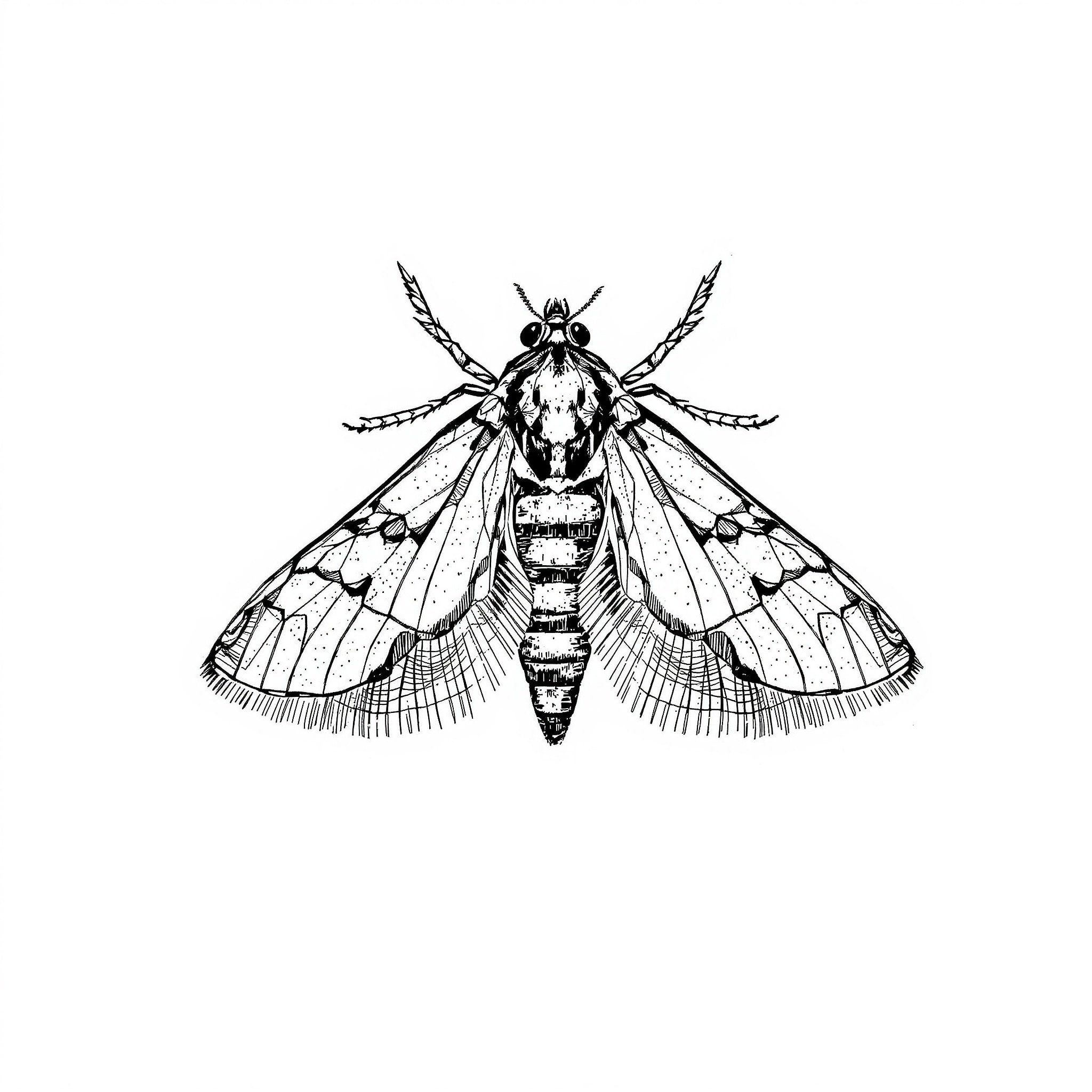
Scientific illustration for identification purposes
Overview
Clothes moths are small, golden-tan moths whose larvae damage wool, silk, fur, and other animal-based fabrics. Unlike pantry moths, they avoid light and are often found in dark closets and storage areas. The larvae, not adults, cause damage.
How to Identify
- Small - about 1/4 inch wingspan
- Uniform golden tan color with no markings
- Narrow, fringed wings
- Avoids light - runs rather than flies
- Larvae are white with brown heads
Behavior
Adult clothes moths avoid light and prefer dark, undisturbed areas. They run rather than fly when disturbed. Larvae spin silken tubes or mats while feeding on fabrics.
Habitat
Found in closets, storage areas, drawers, and anywhere woolens, furs, or natural fabrics are stored. Also infest carpets, upholstered furniture, and taxidermy.
Diet
Larvae feed on keratin in animal fibers including wool, silk, fur, feathers, and leather. They prefer soiled items with food stains or perspiration.
Reproduction
Females lay 40-50 eggs on fabric. Larvae develop over 1-2 months (or longer if food is scarce). Multiple generations per year in heated homes.
Distribution in the Southern U.S.
Found throughout Texas, Oklahoma, Louisiana, and Mississippi in homes and commercial buildings.
Regional Notes
While wool clothing is less common in the hot South, clothes moths readily infest stored items, heirlooms, and seasonal woolens.
Signs of Infestation
- Irregular holes in wool, silk, or fur items
- Silken tubes or webbing on fabrics
- Small tan moths in dark areas
- Larvae or pupae in fabric folds
- Damage to carpets or upholstery
Prevention Tips
- Clean items before storage (moths prefer soiled fabrics)
- Store woolens in airtight containers or bags
- Use cedar or lavender as deterrents
- Vacuum carpets and upholstery regularly
- Inspect vintage and thrift items before bringing home
- Freeze small items to kill larvae
When to Contact a Professional
Contact a professional for widespread infestations, valuable items at risk, or if you cannot locate the source of moths.
Romex Pest Control provides professional webbing clothes moth control services across Texas, Oklahoma, Louisiana, and Mississippi.
Learn about our webbing clothes moth control servicesFrequently Asked Questions
Do adult clothes moths eat fabric?
No, adult clothes moths do not eat. They live only to reproduce. The larvae are responsible for all fabric damage.
Does cedar repel clothes moths?
Cedar oil can kill young larvae but does not kill eggs or older larvae. Cedar is a deterrent but not a complete solution. Proper cleaning and storage are essential.
Latest Research & News
Recent developments about webbing clothes moth
Get the latest news and research about webbing clothes moth
Click "Load News" to fetch recent articles from scientific sources