
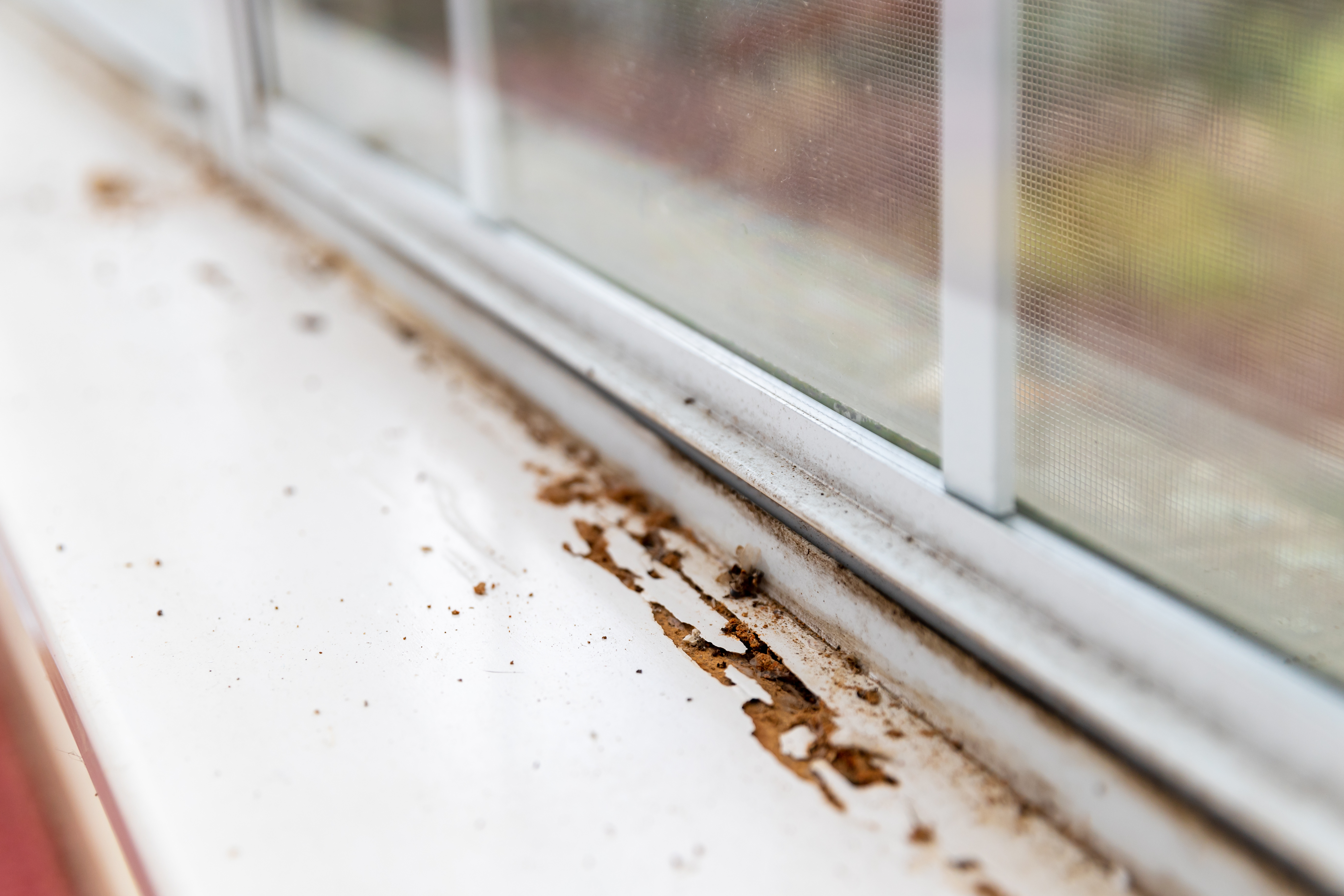
If you're a homeowner in Texas, Oklahoma, Louisiana, or Mississippi, you've likely received varied advice about termite inspections. Some neighbors advocate for annual checks, while others see them as unnecessary expenses. Here's the reality: termite damage costs Southern homeowners an average of $3,000-$8,000 per incident, and insurance typically doesn't cover it (National Pest Management Association).
But are inspections really worth the cost? After analyzing damage patterns across the Gulf Coast and interviewing hundreds of affected homeowners, the answer depends on factors most people never consider. This guide breaks down exactly when inspections pay off—and when they might not be your best investment.
Why the Southern US is Termite Territory
The Southern United States creates perfect storm conditions for termite activity. According to Texas A&M AgriLife Extension, our region experiences:
- High humidity levels (60-80% year-round) that termites need to survive
- Mild winters that allow colonies to remain active longer
- Clay soils common in Texas and Oklahoma that retain moisture
- Abundant cellulose from pine forests and wooden construction
The EPA identifies the Gulf Coast as having "very heavy" termite activity—the highest risk category on their national map. In practical terms, this means 1 in 5 homes will experience termite activity at some point, with subterranean termites being the primary threat.
Ready to Get Started?
Free quote • No obligation • Same-day service available
The Real Cost Analysis: Inspection vs. Damage
Most homeowners focus on the upfront inspection cost ($75-$150 annually) without calculating the true financial risk. Here's what the numbers actually show:
| Scenario | Average Cost | Timeline |
|---|---|---|
| Annual termite inspection | $100-$125 | Ongoing |
| Early-stage termite treatment | $800-$1,500 | Immediate |
| Moderate structural damage | $3,000-$8,000 | 2-3 years undetected |
| Severe structural damage | $10,000-$30,000 | 4-5 years undetected |
The University of Florida's entomology research shows that early detection reduces treatment costs by 60-80%. However, the value equation changes based on your specific situation.
When Termite Inspections Are Essential
High-Risk Properties
Based on damage patterns we've observed across Texas, Oklahoma, Louisiana, and Mississippi, inspections are non-negotiable for:
- Homes built before 1980 without modern termite barriers
- Properties with crawl spaces or slab-on-grade construction
- Houses near wooded areas or with mature landscaping
- Homes with previous termite history (even if treated)
- Properties in flood-prone areas where moisture control is challenging
Specific Regional Factors
East Texas and Louisiana: The combination of pine forests and high humidity creates year-round termite pressure. Properties here benefit from bi-annual inspections during peak swarming seasons (March-May and September-October).
Central Texas: Clay soil expansion and contraction can create foundation cracks that provide termite entry points. Focus inspections on foundation perimeters after heavy rains.
Oklahoma: Temperature fluctuations can drive termites deeper or closer to structures seasonally. Spring inspections are particularly valuable after winter dormancy.
Mississippi Gulf Coast: Formosan termite populations require more aggressive monitoring. Consider quarterly inspections if Formosan activity has been detected in your neighborhood.
When You Might Skip Inspections (And What to Do Instead)
Inspections may not be cost-effective for:
- Brand new construction with proper termite barriers and warranties
- Homes with comprehensive termite warranties that include monitoring
- Properties you plan to sell within 2-3 years (though this may affect resale)
Alternative Monitoring Strategies
If professional inspections don't fit your budget, implement these DIY monitoring techniques:
- Monthly foundation walks: Check for mud tubes along foundation walls, especially after rain
- Moisture control: Eliminate standing water, fix leaks immediately, ensure proper drainage
- Wood-to-soil contact removal: Keep mulch 6 inches from foundations, remove dead tree stumps
- Swarm monitoring: Watch for winged termites in spring, particularly around windows and lights
What Professional Inspections Actually Detect
Understanding what inspectors look for helps you make informed decisions. Professional termite inspections identify:
Active Infestation Signs
- Live termites: In wood, soil, or mud tubes
- Fresh mud tubes: Pencil-width tunnels along foundations
- Frass (droppings): Small pellets indicating drywood termites
- Swarmers: Winged reproductive termites or their discarded wings
Structural Damage Assessment
- Hollow-sounding wood: Detected through tapping and probing
- Sagging floors or ceilings: Indicating compromised support structures
- Tight-fitting doors/windows: Potential warping from moisture or damage
Risk Factors
- Moisture problems: Leaks, poor ventilation, drainage issues
- Conducive conditions: Wood-to-soil contact, cracks in foundations
- Previous treatment areas: Monitoring for re-infestation
Maximizing Inspection Value: What to Request
Not all termite inspections provide equal value. When hiring professionals, ensure they include:
- Written reports with photos: Document current conditions for future reference
- Risk assessment: Identify conditions that attract termites
- Preventive recommendations: Actionable steps to reduce future risk
- Treatment options: If activity is found, request multiple treatment approaches
For comprehensive termite protection in Texas, Oklahoma, Louisiana, or Mississippi, professional inspections should also include moisture meter readings and detailed foundation mapping.
Regional Inspection Timing
Timing inspections with local termite biology increases detection rates:
- Pre-swarming season (February-March): Colonies are active but haven't dispersed
- Post-swarming season (May-June): New colonies may be establishing
- Fall preparation (September-October): Before winter dormancy in northern areas
In South Louisiana and Mississippi, where Formosan termites remain active year-round, any season works for detection, but spring inspections coincide with peak activity.
The Bottom Line: Making the Right Choice for Your Property
Termite inspections are worth the investment for most Southern homeowners, but the frequency and timing should match your specific risk profile. High-risk properties in East Texas, Louisiana, and Mississippi benefit from annual or bi-annual professional inspections. Lower-risk properties might combine less frequent professional inspections with consistent DIY monitoring.
The key is consistency. Whether you choose professional inspections, DIY monitoring, or a combination approach, regular attention to termite prevention saves significantly more than reactive treatment.
Remember: termites work 24/7, and they're already in your neighborhood. The question isn't whether you'll encounter them, but when. Stay proactive to protect your investment.
Frequently Asked Questions
How often should I have a termite inspection?
It depends on your property's risk factors. High-risk properties should have annual or bi-annual inspections, while lower-risk properties may opt for less frequent checks combined with DIY monitoring.
What are the signs of a termite infestation?
Look for mud tubes, hollow-sounding wood, frass, and swarmers. Professional inspections can detect these signs more accurately.
Are termite inspections covered by insurance?
Typically, termite damage is not covered by homeowners insurance, making regular inspections a wise investment to prevent costly repairs.
About Romex Pest Control
Romex Pest Control has been serving the Southern US for over 20 years, providing expert pest management solutions. Our technicians are Sentricon®-certified and trained to handle a variety of pest issues, including termites. We pride ourselves on our customer service and innovative approach to pest control.
For more information on our services, visit our services page.
Author Bio
Ella Hansen is a pest control marketing specialist at Romex Pest Control who leverages in-house expertise and external industry resources to deliver actionable pest management content. With a background in environmental science, Ella is dedicated to educating homeowners about effective pest control strategies.