
Table of Contents
- The Short Answer
- Why Are German Cockroaches So Hard to Get Rid Of?
- Why They Keep Coming Back
- How Did German Cockroaches Get Into My Home?
- Where Do German Cockroaches Hide?
- Why Do Store Sprays, Baits, and Foggers Keep Failing?
- What Actually Gets Rid of German Cockroaches?
- Preventive Measures
- Environmental Impact
- Did You Know?
- Professional Tip
- FAQ
- Summary
Ready to Get Started?
Free quote • No obligation • Same-day service available
The Short Answer
To effectively eliminate German cockroaches, it's crucial to target their breeding sites, not just the visible pests. This involves identifying their harborage areas—warm, hidden spots near food and water—and applying gel bait and insect growth regulators directly along their travel paths. Repeated treatments are necessary to address new hatchlings, as store sprays and foggers often fail to penetrate egg cases.
Why Are German Cockroaches So Hard to Get Rid Of?
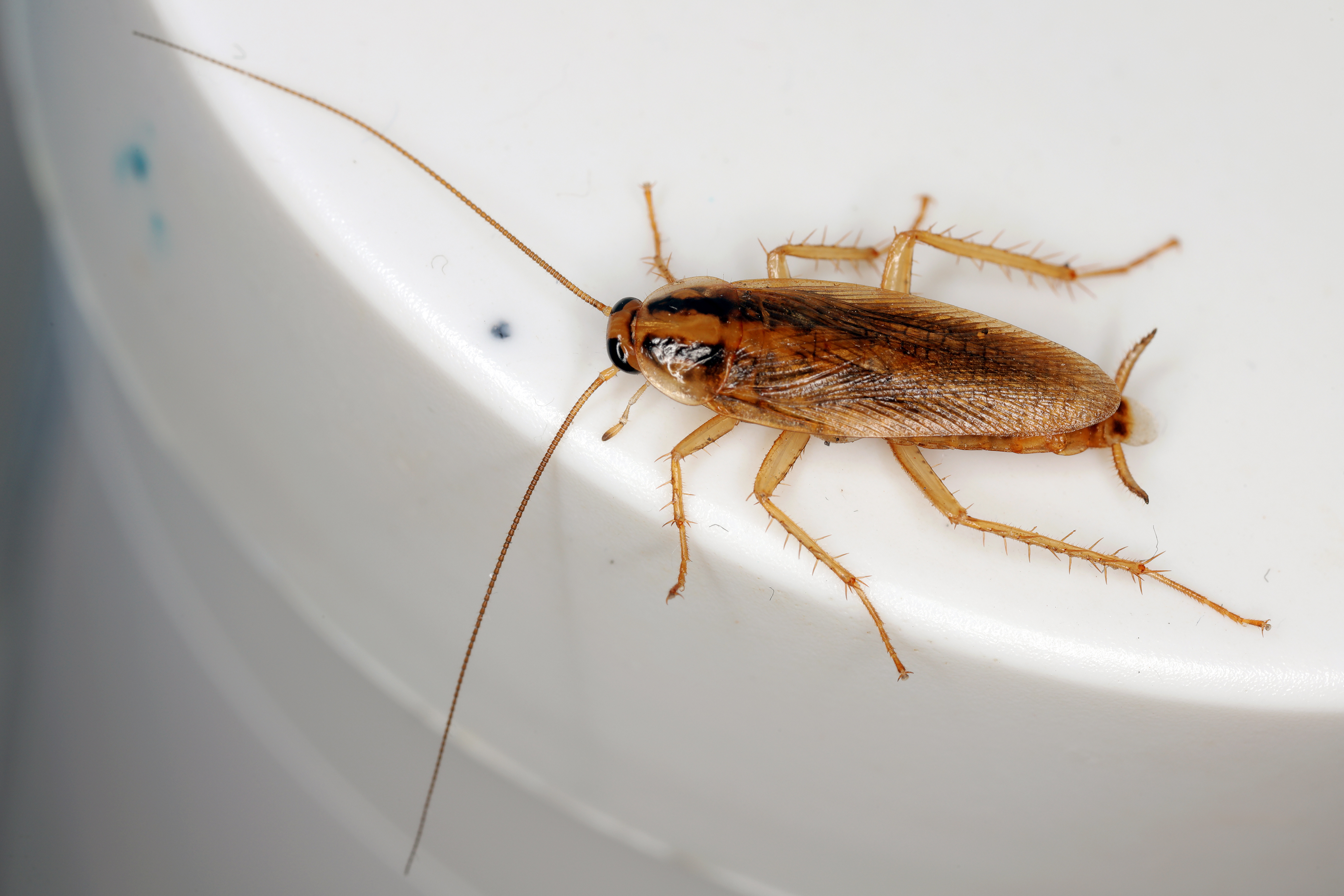
German cockroaches are notoriously difficult to eradicate due to their rapid breeding cycle and adept hiding abilities. According to the Texas A&M AgriLife Extension, they can produce three to six generations annually. A single female can carry an egg capsule with over 30 young, which she protects until hatching. In optimal conditions, like a warm kitchen, a roach can mature from egg to breeding adult in just 60 days.
Why They Keep Coming Back
Resistant Egg Cases: Most store sprays fail to penetrate egg cases, allowing the next generation to hatch unaffected.
Hidden Populations: German cockroaches are nocturnal and typically hide in cracks, wall voids, and appliance motor housings. Visible roaches often indicate a large, hidden population.
For more detailed information, see our guides on German cockroach identification and signs of an infestation.
How Did German Cockroaches Get Into My Home?
Unlike other roaches, German cockroaches are indoor species that are typically introduced into homes through:
Groceries and Packaging: They can hitch a ride on paper bags, cardboard boxes, and drink cartons from infested stores or warehouses.
Secondhand Appliances and Furniture: Used items like microwaves or furniture can bring an entire infestation.
Bags and Boxes: Moving boxes and bags from infested areas can introduce roaches.
Shared Walls: In apartments and duplexes, they can move between units through wall voids and plumbing chases.
These entry points reflect how roaches spread, not the cleanliness of your home. Addressing the source is essential for effective control.
Where Do German Cockroaches Hide?
German cockroaches prefer nesting close to food, water, and warmth, often in tight, dark spaces. Common hiding spots include:
Behind and beneath refrigerators, especially in motor compartments
In and under dishwashers, around water lines
Motor housings of microwaves, toaster ovens, and coffee makers
Under-sink cabinets, particularly near leaks
Cabinet hinges, back corners, and seams
Behind backsplashes, along baseboards, and under wallpaper edges
Cardboard boxes, paper bags, and cluttered pantry shelves
Using a flashlight and sticky monitors can help identify areas of heavy activity, a method recommended by Texas A&M AgriLife.
Why Do Store Sprays, Baits, and Foggers Keep Failing?
Common DIY methods often miss the mark:
Aerosol Sprays: These kill on contact but don't affect egg cases or hidden populations.
Foggers and Bug Bombs: They fail to reach deep cracks and can scatter colonies, worsening the problem.
Store Bait Stations: Ineffective if not placed along roach travel paths.
Cleaning: While helpful, it doesn't reach hidden harborages.
These methods often fail because they can't reach the core of the problem.
What Actually Gets Rid of German Cockroaches?
Effective control requires a prevention-first approach:
Inspect First: Identify harborage areas using sticky monitors.
Cut Off Food and Water: Address moisture and food sources to prolong treatment effectiveness.
Bait the Travel Paths: Apply gel bait along roach lines, not open surfaces.
Break the Breeding Cycle: Use insect growth regulators to prevent young roaches from maturing.
Follow Up: Re-treat to address new hatchlings.
For professional assistance, contact Romex Pest Control for a consultation.
Preventive Measures
Prevent future infestations by sealing entry points, maintaining cleanliness, and regularly inspecting potential harborage areas.
Environmental Impact
Consider the environmental impact of pest control methods. The EPA provides guidelines for responsible pesticide use.
Did You Know?
German cockroaches can survive without food for up to a month but need water every few days. This makes moisture control a critical aspect of pest management.
Professional Tip
Always consult a pest control professional for persistent infestations. They have access to advanced tools and treatments not available to the general public.
FAQ
Q: How long does it take to get rid of German cockroaches?
A: It can take several weeks to months, depending on the infestation size and treatment consistency.Q: Are German cockroaches harmful?
A: Yes, they can spread bacteria and allergens, posing health risks.
For more information, visit our service pages or blog.
Summary
German cockroaches are a persistent pest due to their rapid breeding and adept hiding. Effective management involves targeted treatments, cutting off food and water sources, and professional intervention when necessary. For residents in Texas, Louisiana, Oklahoma, and Mississippi, Romex Pest Control offers specialized services to address these challenges. Regular monitoring and preventive measures can help maintain a roach-free environment.
Author: Ella Hansen, Pest Control Marketing Expert at Romex Pest Control