
Mosquito-Borne Diseases in Texas: Complete Prevention Guide for 2024
Texas recorded over 450 cases of West Nile virus in 2023, making it the state with the highest number of reported cases nationwide. With extended warm seasons and abundant standing water sources, Texas creates ideal breeding conditions for disease-carrying mosquitoes year-round. Understanding which diseases threaten your family and how to prevent them isn't just helpful—it could save lives.
Ready to Get Started?
Free quote • No obligation • Same-day service available
About Romex Pest Control
Romex Pest Control has been a leader in pest management solutions since 2005, serving Texas, Louisiana, Oklahoma, and Mississippi. Our team of experts is dedicated to providing professional and tested mosquito control services that significantly reduce mosquito populations.
Romex Pest Control is certified by the National Pest Management Association (NPMA) and has received multiple awards for excellence in service delivery.
Disease-Carrying Mosquito Species in Texas
Not all mosquitoes carry diseases, but Texas hosts several species that pose serious health risks. Each species has distinct behaviors and preferred breeding sites, which affects your prevention strategy.
Culex Species (West Nile Virus Carriers)
Culex mosquitoes are responsible for most West Nile virus transmission in Texas. These mosquitoes breed in stagnant water sources like storm drains, bird baths, and neglected swimming pools. They're most active during dawn and dusk hours and prefer to bite birds, but will feed on humans when bird populations are scarce.
Aedes Species (Zika, Dengue, and Chikungunya Vectors)
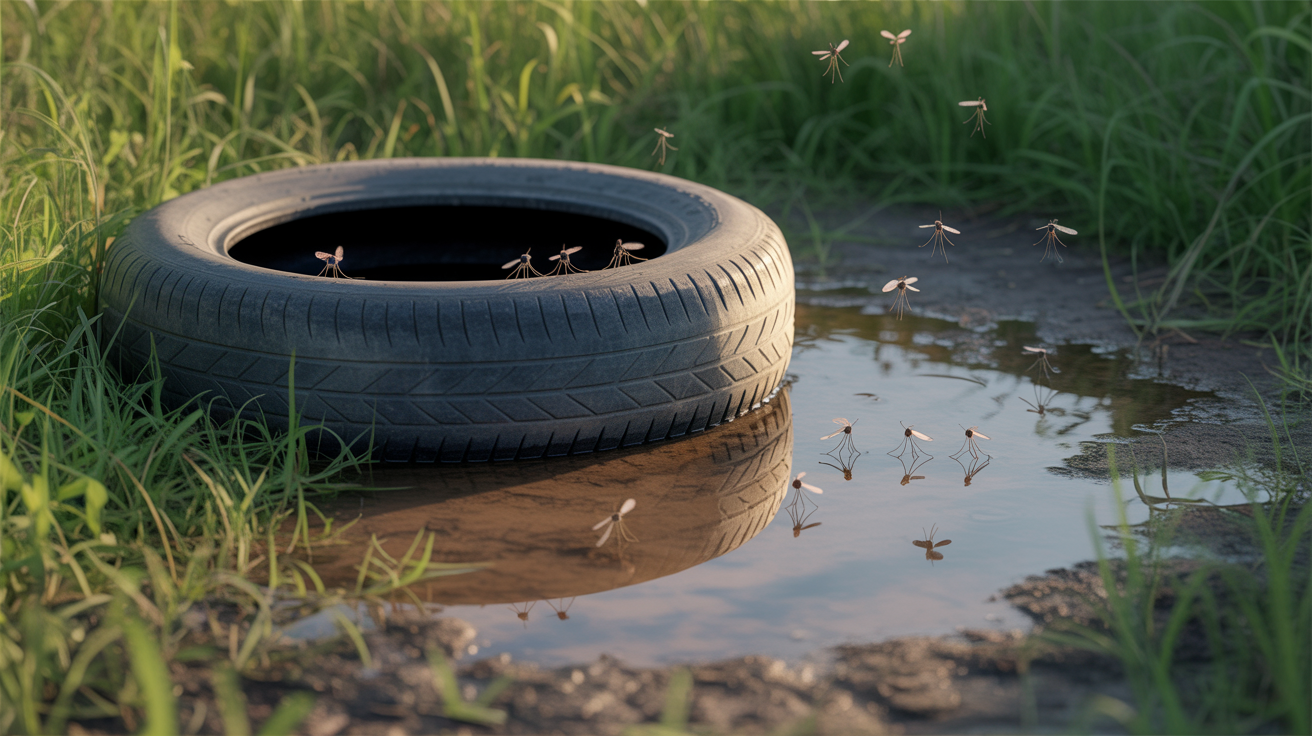
Aedes aegypti and Aedes albopictus mosquitoes are aggressive daytime biters found throughout Texas. Unlike Culex mosquitoes, Aedes species breed in small containers like flower pot saucers, tire wells, and clogged gutters. They're particularly dangerous because they bite multiple people during a single feeding cycle, increasing disease transmission rates.
Anopheles Species (Potential Malaria Vectors)
While malaria isn't currently endemic in Texas, Anopheles mosquitoes capable of transmitting the disease are present. These mosquitoes breed in clean, standing water sources like ponds and slow-moving streams. Climate change and increased international travel make monitoring these species increasingly important.
Major Mosquito-Borne Diseases in Texas
West Nile Virus
West Nile virus causes the most mosquito-borne illness in Texas, with cases reported in all 254 counties. The CDC reports that 1 in 5 infected people develop symptoms including fever, headache, body aches, and fatigue. Severe cases can cause encephalitis or meningitis, particularly in adults over 60. Learn more from the CDC.
| Symptom Onset | Mild Symptoms | Severe Symptoms |
|---|---|---|
| 2-14 days | Fever, headache, muscle aches | High fever, neck stiffness, confusion |
Zika Virus
Texas confirmed 315 Zika cases in 2016, with local transmission documented in Brownsville. While case numbers have decreased, Aedes mosquitoes remain present throughout the state. Zika poses particular risks to pregnant women, as infection can cause severe birth defects including microcephaly. Learn more from the CDC.
Dengue Fever
Dengue cases in Texas typically result from international travel, but local transmission has occurred in South Texas. The disease causes severe flu-like symptoms and can progress to life-threatening dengue hemorrhagic fever. There's no specific treatment, making prevention crucial. Learn more from the CDC.
Chikungunya
Chikungunya causes debilitating joint pain that can persist for months or years. While less common than West Nile virus, the disease's long-term effects make it a serious concern. Most Texas cases have been travel-related, but local transmission remains possible. Learn more from the CDC.
Seasonal Disease Risk Patterns
Understanding when disease risks peak helps you adjust prevention efforts throughout the year. Texas's varied climate zones create different risk periods across the state.
Spring (March-May)
Mosquito activity begins as temperatures consistently reach 50°F. Early season focuses on eliminating breeding sites before populations explode. This is your most critical prevention window.
Summer (June-August)
Peak mosquito season coincides with highest disease transmission rates. West Nile virus cases typically spike in July and August when Culex mosquitoes reach maximum populations.
Fall (September-November)
Disease risk remains high through October in most Texas regions. Many people drop their guard during fall, but mosquitoes remain active until the first hard freeze.
Winter (December-February)
South Texas mosquitoes may remain active year-round. Use this time to plan next year's prevention strategy and eliminate potential breeding sites.
Comprehensive Prevention Strategies
Eliminate Breeding Sites
The most effective prevention method is eliminating standing water where mosquitoes breed. Focus on these often-overlooked sources:
- Gutters and downspouts: Clean quarterly and ensure proper drainage
- Air conditioning units: Check drain pans weekly during summer months
- Outdoor furniture: Drill drainage holes in items that collect water
- Tarps and covers: Ensure tight installation to prevent water pooling
- Tree holes and stumps: Fill with sand or remove if possible
- Septic systems: Ensure all openings are properly screened
Personal Protection Measures
When elimination isn't possible, personal protection becomes critical. The CDC recommends EPA-registered repellents containing DEET, picaridin, IR3535, or oil of lemon eucalyptus.
Repellent Application Guidelines
- Apply to exposed skin and clothing following label directions
- Reapply as directed—effectiveness varies by concentration and activity level
- Use 20-30% DEET for extended outdoor exposure
- Choose picaridin-based repellents for sensitive skin
- Avoid combination sunscreen-repellent products (different reapplication schedules)
Property Modifications
Long-term modifications reduce mosquito populations and disease risk:
- Install screens: Repair holes in window and door screens immediately
- Improve drainage: Grade soil away from foundations to prevent pooling
- Landscape strategically: Plant mosquito-repelling herbs like citronella, lavender, and marigolds
- Install fans: Mosquitoes are weak fliers; outdoor fans create inhospitable conditions
- Maintain pools: Properly chlorinated pools don't support mosquito breeding
When to Seek Professional Help
While DIY prevention is essential, some situations require professional intervention. Consider professional mosquito control when:
- Standing water sources can't be eliminated (ornamental ponds, wetlands)
- Property size makes comprehensive inspection difficult
- Mosquito populations remain high despite prevention efforts
- Family members have compromised immune systems
- Recent disease activity reported in your area
Frequently Asked Questions
What are the most effective mosquito repellents?
EPA-registered repellents containing DEET, picaridin, IR3535, or oil of lemon eucalyptus are recommended for effective mosquito protection. Always follow the label instructions for safe use.
Contact Information
For more information or to schedule a consultation, contact Romex Pest Control at:
- Phone: (800) 555-0199
- Email: [email protected]
- Website: www.romexpestcontrol.com
Author Bio
Ella Hansen is a pest control marketing specialist at Romex Pest Control who leverages in-house expertise and external industry resources to deliver actionable pest management content. With over a decade of experience in the pest control industry, Ella is committed to educating the public on effective prevention strategies.