
About the Author
Ella Hansen is a pest control marketing specialist at Romex Pest Control. With over 10 years of experience in the industry, she combines in-house expertise with external resources to deliver actionable pest management content. Ella holds a degree in Environmental Science and has contributed to several industry publications. You can read more of her work in Pest Control Magazine.
Ready to Get Started?
Free quote • No obligation • Same-day service available
Company History and Achievements
Romex Pest Control has been serving communities across Texas, Louisiana, Oklahoma, and Mississippi for over 20 years. Our commitment to excellence has earned us numerous industry awards and certifications, including recognition from the National Pest Management Association. We pride ourselves on using the latest research and technology to provide effective pest control solutions.
Romex Pest Control's Community Involvement
At Romex Pest Control, we believe in giving back to the communities we serve. Our team actively participates in local environmental clean-up events and educational workshops to raise awareness about pest management and public health. We also collaborate with schools and community centers to provide resources and training on effective pest control strategies.
The Hidden Costs of Mosquito Infestations
Last summer, a homeowner in Edmond, Oklahoma, shared her story of spending over $400 on citronella candles, bug zappers, and store-bought sprays, only to have her family's outdoor barbecue ruined by mosquitoes. This scenario is common across the South, where warm, humid climates create ideal mosquito breeding conditions.
Mosquitoes are more than just a nuisance; they pose significant health risks. According to the CDC, mosquito-borne diseases affect millions globally each year. In the U.S., West Nile virus alone infected 2,647 people in 2022, with Texas reporting the highest number of cases. Other diseases transmitted by mosquitoes in our region include Zika virus, Eastern Equine Encephalitis, and La Crosse encephalitis.
Why DIY Mosquito Control Often Fails
Many homeowners start with DIY solutions, which seem cheaper and more convenient. However, after years of working with customers who've tried everything from essential oil sprays to ultrasonic repellers, I've learned that DIY approaches typically fail for three critical reasons:
1. Incomplete Breeding Site Elimination
Research from Texas A&M AgriLife Extension shows mosquitoes can breed in as little as a bottle cap's worth of water. Homeowners often miss hidden breeding sites such as:
- Water trapped in plant saucers and pot bases
- Clogged storm drains
- Tree holes and bamboo stumps
- Tarps and outdoor equipment that collect rainwater
- Septic system issues creating standing water
2. Wrong Products for Your Specific Mosquito Species
Not all mosquitoes are the same. In our service areas, we commonly encounter:
- Aedes aegypti (Yellow Fever Mosquito): Active during the day, breeds in small containers, transmits Zika and dengue
- Culex quinquefasciatus (Southern House Mosquito): Most active at dusk and dawn, breeds in polluted water, primary West Nile virus vector
- Aedes albopictus (Asian Tiger Mosquito): Aggressive daytime biter, breeds in natural and artificial containers
Each species requires different treatment approaches. For example, Aedes aegypti mosquitoes have adapted to urban environments and can complete their lifecycle entirely on residential properties.
3. Timing and Application Issues
Mosquito populations follow predictable patterns based on temperature and rainfall. In Texas, significant emergence typically occurs in late March to early April, with peak populations during the hot, humid months of July and August. Many homeowners wait until they notice a problem before taking action—by then, multiple generations are already established.
How Professional Mosquito Elimination Actually Works
Professional mosquito control goes beyond spraying chemicals and hoping for the best. Here's what a comprehensive professional program includes:
Detailed Property Assessment
A trained technician conducts a thorough inspection of your property, identifying:
- Active breeding sites (both obvious and hidden)
- Potential future breeding areas
- Mosquito harborage areas (where adults rest during the day)
- Property features that attract mosquitoes
- Environmental factors affecting mosquito populations
This assessment typically takes 30-45 minutes for an average residential property and forms the foundation of an effective treatment plan.
Targeted Larvicide Applications
Professional-grade larvicides are applied to breeding sites that cannot be eliminated (like storm drains or ornamental ponds). These products specifically target mosquito larvae while being tested and approved for use around fish, birds, and beneficial insects when applied correctly.
Adult Mosquito Reduction
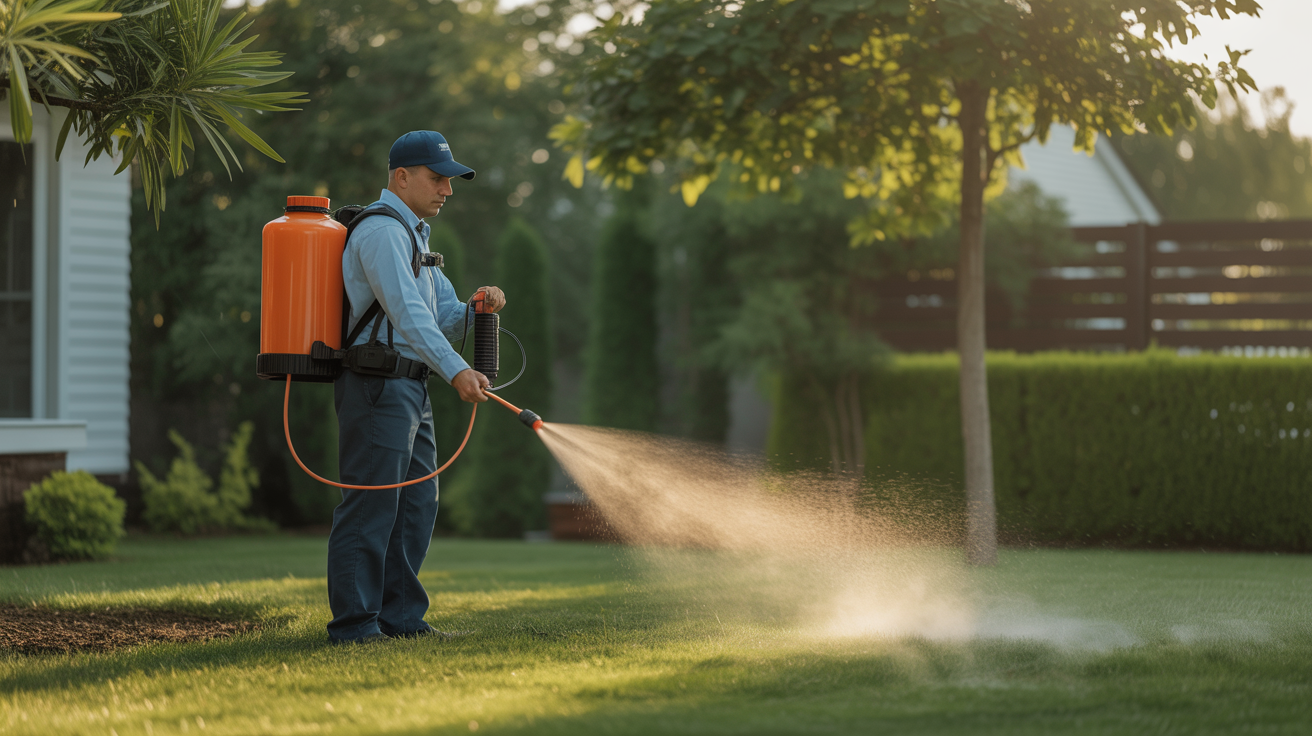
Strategic applications to vegetation and other areas where adult mosquitoes rest during the day. Professional technicians understand mosquito behavior patterns and know exactly where to apply treatments for maximum effectiveness.
Source Reduction Recommendations
Professionals provide specific, actionable advice for eliminating breeding sites on your property. This might include drainage solutions, landscaping modifications, or maintenance recommendations.
Customer Success Stories
One of our clients, Sarah Thompson from Dallas, Texas, reported a 95% reduction in mosquito bites after our comprehensive treatment plan. By identifying hidden breeding sites and applying targeted treatments, the family was able to enjoy their backyard pool throughout the summer without the constant annoyance of mosquitoes.
What You Can Do Right Now (Before Calling a Professional)
While professional treatment is often necessary for significant mosquito problems, here are immediate steps you can take today:
Eliminate Standing Water
- Empty and scrub bird baths, flower pot saucers, and pet water bowls at least once per week
- Clean gutters and ensure proper drainage
- Remove or drill drainage holes in containers that collect water
- Maintain swimming pools properly—even small amounts of stagnant water in pool covers can breed thousands of mosquitoes
Modify Your Landscape
- Trim overgrown vegetation where mosquitoes rest during the day
- Ensure proper grading so water doesn't pool near your foundation
- Consider mosquito-repelling plants like marigolds, catnip, and rosemary
Personal Protection Strategies
- Use EPA-registered repellents containing DEET, picaridin, or oil of lemon eucalyptus
- Wear long sleeves and pants during peak mosquito activity (dawn and dusk)
- Use fans on patios—mosquitoes are weak fliers and struggle in air movement above 1-2 mph
When to Call a Professional: Red Flags
Based on my experience working with homeowners across Texas, Oklahoma, Louisiana, and Mississippi, you should consider professional mosquito elimination if:
- You can't enjoy your outdoor spaces during evening hours
- Family members are getting multiple mosquito bites despite using repellent
- You've tried DIY methods for 4-6 weeks without significant improvement
- You have standing water issues you can't resolve (like drainage problems)
- Someone in your household is at high risk for mosquito-borne diseases
- You're planning outdoor events or have a pool that family uses regularly
Seasonal Mosquito Patterns in the South
Understanding when mosquitoes are most active in our region helps with both prevention and treatment timing:
| Month | Mosquito Activity | Recommended Actions |
|---|---|---|
| March-April | First emergence, low populations | Eliminate overwintering breeding sites |
| May-June | Rapid population growth | Begin regular monitoring and treatment |
| July-August | Peak populations | Maximum protection measures needed |
| September-October | Declining but still active | Continue treatments, prepare for next season |
FAQ: Common Concerns About Mosquito Control
What are the signs of a mosquito infestation?
Common signs include frequent bites, especially during dawn and dusk, and seeing mosquitoes resting in shaded areas.
How long does a professional treatment last?
Depending on environmental conditions, treatments can last several weeks. Regular maintenance is recommended for best results.
Are professional mosquito control services cost-effective?
While the upfront cost of professional services may be higher than DIY methods, the long-term effectiveness and reduction in health risks make it a cost-effective solution.
Company Safety Protocols and Certifications
Romex Pest Control adheres to strict safety protocols and holds certifications from the National Pest Management Association. Our technicians are trained to use professional-grade products that are tested and approved for safe application around homes and families.