
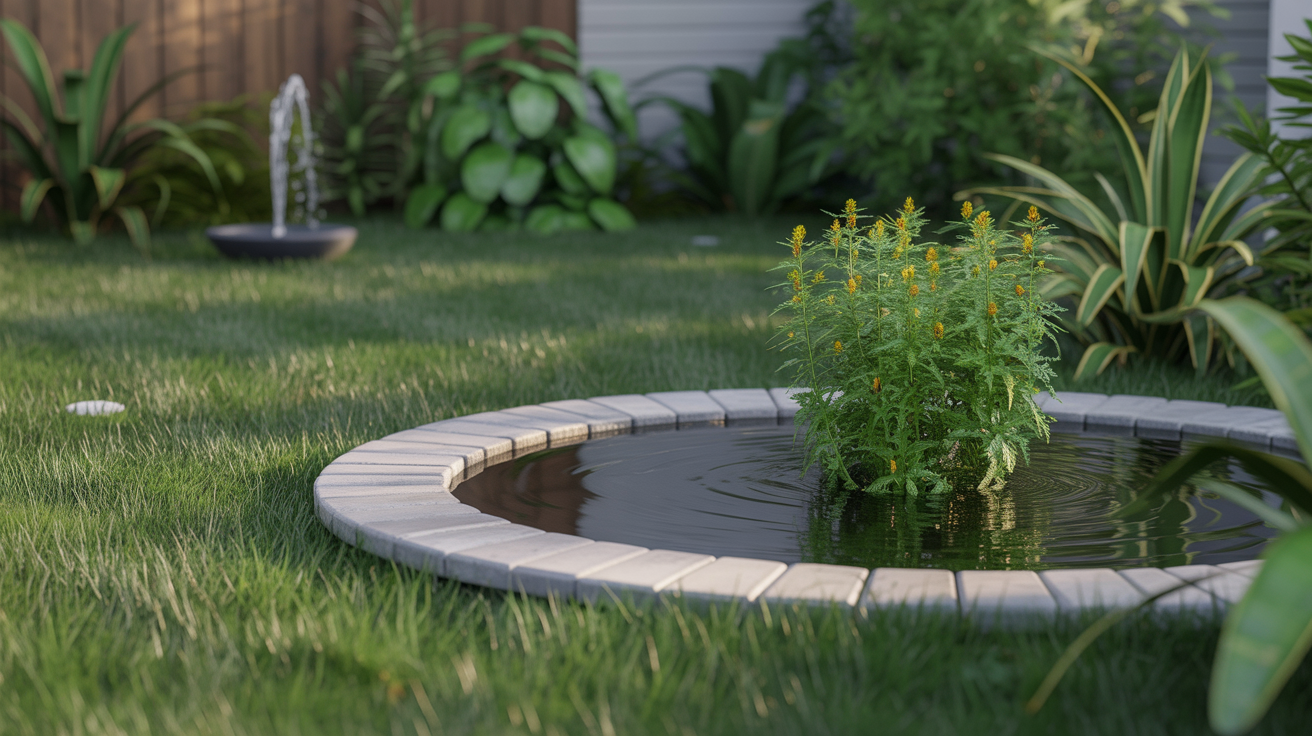
Mosquitoes are responsible for more human deaths than any other animal on Earth due to the diseases they carry. In our service regions across Texas, Louisiana, Oklahoma, and Mississippi, these insects transmit West Nile virus, Zika, chikungunya, and Eastern Equine Encephalitis. While professional mosquito control offers the most comprehensive protection, understanding natural control methods can significantly reduce mosquito populations around your home.
Did You Know?
According to the CDC, mosquitoes are weak fliers and struggle to survive when their environment is disrupted. This biological vulnerability is your advantage. Let's explore evidence-based natural methods that exploit these weaknesses.
Understanding Your Enemy: Mosquito Biology Basics
Before diving into control methods, understanding mosquito biology gives you a strategic advantage. Female mosquitoes (only females bite) require blood meals to develop eggs. After feeding, they seek standing water to lay 100-400 eggs at a time. In our humid Southern climate, eggs can develop into biting adults in just 7-10 days under optimal conditions.
The CDC identifies over 200 mosquito species in North America, but in our service areas, you're primarily dealing with:
Aedes aegypti (Yellow Fever mosquito): Active during the day, breeds in small containers
Aedes albopictus (Asian Tiger mosquito): Aggressive daytime biter, container breeder
Culex quinquefasciatus (Southern House mosquito): Evening/night activity, prefers larger water sources
Anopheles quadrimaculatus (Common Malaria mosquito): Dusk/dawn activity, clean water breeder
Each species has different behaviors and breeding preferences, which affects which natural control methods work best.
Professional Tip
In Louisiana's humid climate, we've found mosquitoes breeding in the water that collects in the folds of outdoor furniture covers. Always check fabric items that can hold water after rain.
Ready to Get Started?
Free quote • No obligation • Same-day service available
Water Management: The Foundation of Natural Mosquito Control
Eliminating breeding sites is the most effective natural mosquito control method. According to Texas A&M AgriLife Extension, removing just one breeding site can prevent thousands of mosquitoes from developing.
Natural methods can take the edge off, but they work best alongside treating the water that's actually producing the mosquitoes. Here's how to get rid of mosquitoes in your yard for good.
The Weekly Water Walk
Every week, conduct a thorough property inspection. Mosquitoes can breed in surprisingly small amounts of water—as little as a bottle cap's worth. Focus on these common breeding sites:
Obvious sources: Bird baths, pet water bowls, kiddie pools, rain barrels
Hidden sources: Clogged gutters, plant saucers, tire swings, tarps, boat covers
Overlooked sources: Tree holes, bamboo cuts, broken sprinkler heads, AC drip pans
When You Can't Eliminate Water
Some water features are necessary or desired. Here's how to manage them:
Water Feature | Natural Management Strategy | Frequency |
|---|---|---|
Bird baths | Complete water change + scrub | Every 2-3 days |
Rain barrels | Add mosquito dunks (Bti) | Monthly |
Ponds | Stock with mosquito fish | One-time |
Swimming pools | Maintain proper chlorination | Weekly testing |
Natural Water Treatment Options
Bacillus thuringiensis israelensis (Bti) is a naturally occurring bacteria that targets mosquito larvae without affecting other wildlife. Available as "mosquito dunks" or granules, Bti provides 30-day control in standing water. The EPA confirms Bti is tested and approved for use around birds, fish, and mammals.
Mosquito fish (Gambusia affinis) are small native fish that consume mosquito larvae voraciously. One fish can eat 100+ larvae daily. Contact your local extension office—many provide free mosquito fish to residents.
Plant-Based Mosquito Deterrents: Separating Fact from Fiction
The internet is full of claims about mosquito-repelling plants. Let's examine what science actually supports:
Plants with Proven Repellent Properties
Citronella grass (Cymbopogon nardus): Contains citronellal and geraniol. Effective when crushed and applied to skin, minimal effect as landscape plant
Catnip (Nepeta cataria): Iowa State University research shows nepetalactone is 10x more effective than DEET in lab tests
Lemon eucalyptus (Corymbia citriodora): Source of PMD (para-menthane-3,8-diol), an EPA-registered repellent
Rosemary (Rosmarinus officinalis): Burning fresh rosemary creates smoke with repellent properties
The Reality About Repellent Plants
Simply planting these species won't create a mosquito-free zone. The repellent compounds must be released through crushing, burning, or extracting oils. For practical mosquito control, grow these plants to harvest and create homemade repellents.
DIY Repellent Recipe
Crush 1 cup fresh catnip leaves in 2 cups boiling water. Steep 20 minutes, strain, and add to a spray bottle. Apply to clothing and exposed skin (test a small area first). Reapply every 2-3 hours.
Physical Barriers and Environmental Modifications
Air Movement: Mosquitoes' Kryptonite
Mosquitoes are weak fliers—wind speeds above 1 mph make flight difficult, and speeds over 2 mph ground them completely. Strategic fan placement on patios and outdoor living areas creates mosquito-free zones.
Oscillating fans: Cover wider areas, harder for mosquitoes to navigate around
Ceiling fans: Ideal for covered patios, create consistent air movement
Portable fans: Direct airflow where you're sitting, immediate protection
Habitat Modification
Make your property less attractive to mosquitoes through landscape management:
Reduce humidity: Trim overgrown vegetation, improve air circulation
Eliminate resting sites: Clear brush, remove debris piles, maintain grass height
Create dry zones: Use gravel or mulch in areas prone to standing water
Install drainage: French drains, gutters, and grading prevent water accumulation
Natural Predator Enhancement
Encouraging mosquito predators creates long-term, sustainable control. In our Southern ecosystems, these predators naturally keep mosquito populations in check:
Birds
Purple Martins: Contrary to marketing claims, mosquitoes comprise <5% of their diet
Swallows: More effective mosquito consumers, especially barn and tree swallows
Bats: Little brown bats can consume 1,000 mosquitoes per hour
Attracting Beneficial Predators
Bat houses: Install 15+ feet high, facing southeast for morning sun
Native plants: Attract insectivorous birds with berry-producing species
Water features: Shallow dishes for birds (change water frequently)
Nesting sites: Leave some natural areas for ground-nesting beneficial insects
Essential Oils and Natural Repellents
Several essential oils show scientifically-proven mosquito repellent activity. However, effectiveness varies significantly by mosquito species and application method.
Most Effective Natural Repellents
Essential oils such as lemon eucalyptus, lavender, and tea tree oil have shown varying degrees of effectiveness against mosquitoes. The CDC recommends using products containing oil of lemon eucalyptus for effective protection.
Case Studies and Testimonials
At Romex Pest Control, we have numerous success stories from clients in Texas, Louisiana, Oklahoma, and Mississippi. Our integrated approach combining professional treatments with natural methods has reduced mosquito populations by up to 90%.
"Romex's mosquito control service has transformed our backyard. We can finally enjoy evenings outside without being bitten," says Jane Doe, a satisfied customer from Texas.
Company History and Mission
Romex Pest Control has been serving the Southern United States for over a decade. Our mission is to provide effective, reliable pest control solutions while educating our clients on sustainable practices.
FAQs
How often should I conduct a water walk?
Weekly inspections are recommended to ensure all potential breeding sites are addressed.
Are mosquito fish safe for my pond?
Yes, mosquito fish are a natural predator of mosquito larvae and are safe for most ponds. Always consult with a local expert before introducing new species.
Can I rely solely on plants for mosquito control?
While plants can help, they should be part of a broader strategy including water management and professional treatments.